



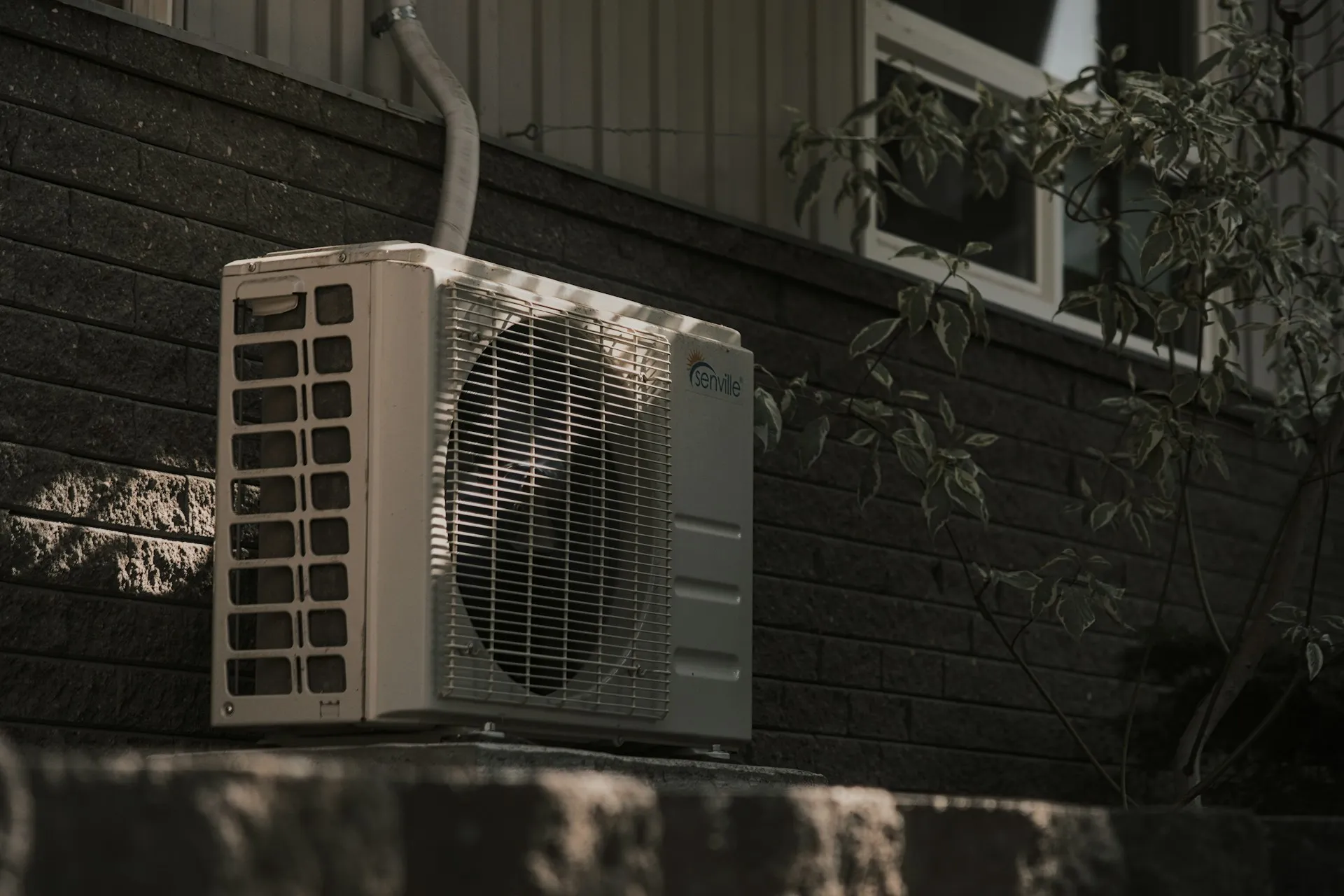
5 Critical HVAC Warning Signs That Need Immediate Attention
Difficulty: Moderate
Time: 30-45 minutes for complete inspection
Cost: ~$20 for basic troubleshooting tools
Why You'll Like This Quick Check
HVAC problems have a knack for showing up at the worst possible times—right when you need your system most during summer heatwaves or winter freezes. But here's the good news: your system usually gives you warning signs weeks or even months before total failure. Learning to recognize these red flags early can save you from both misery and major repair bills. This guide shows you exactly what to watch for and gives you the power to tackle basic fixes yourself—or know when it's time to call in the pros.
What You'll Need
Tools
Flashlight (LED recommended)
Screwdriver set (Phillips and flathead)
Wet/dry vacuum
Non-contact voltage tester
Level (2-4 ft)
Materials
Replacement air filters (check your system's size)
HVAC-approved duct tape
Clean rags or paper towels
Safety First
Power off at the breaker and verify with a non-contact tester before any hands-on inspection
Never mix cleaning chemicals - use one product at a time with proper ventilation
Gas smell = immediate evacuation - don't use electrical switches, call the gas company from outside
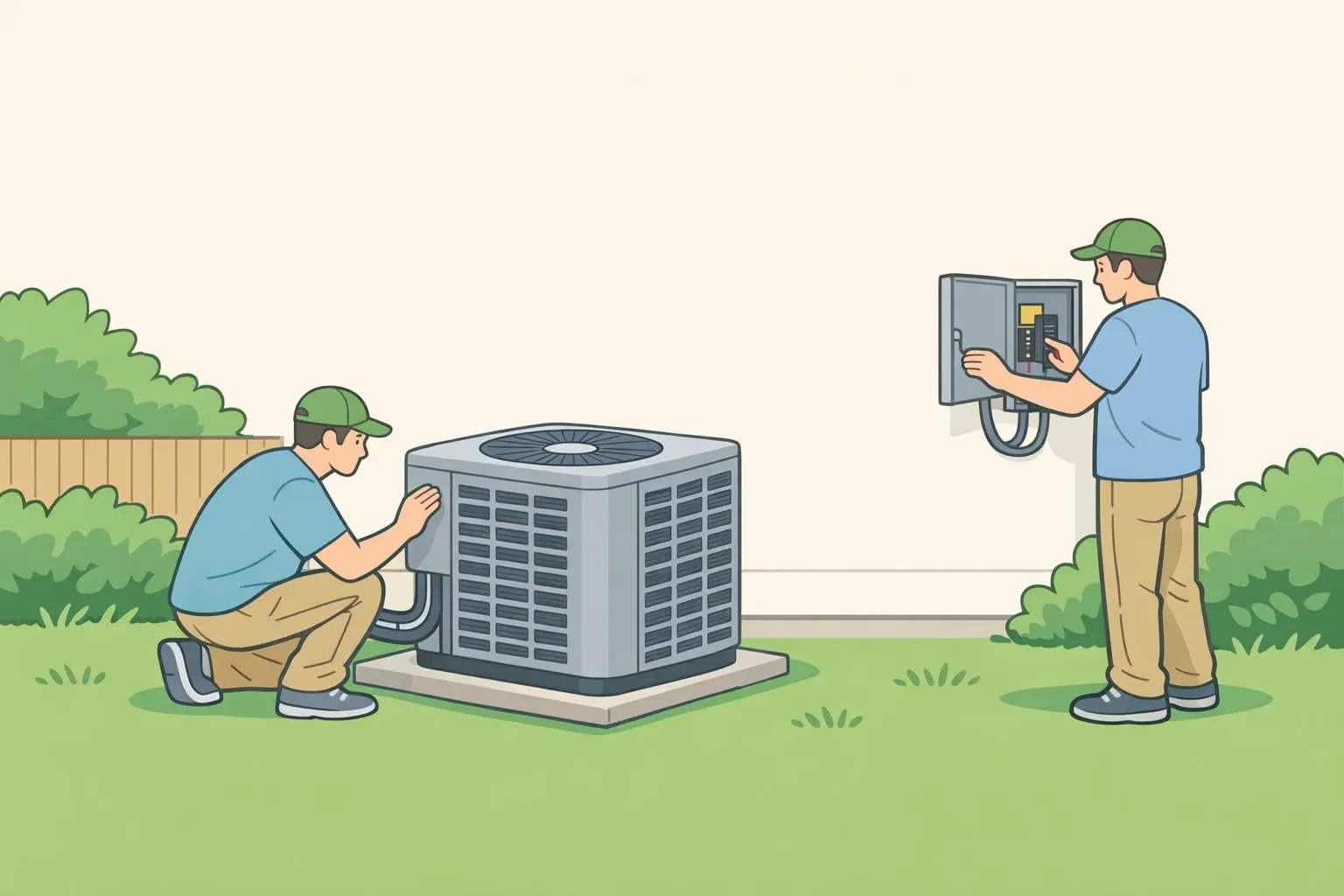
Adult supervision required for electrical panel work and outdoor unit inspection
Test ground fault circuit interrupters (GFCIs) monthly if present
1. Strange Noises That Demand Immediate Action
Your HVAC system should hum quietly in the background during normal operation. When that peaceful hum turns into banging, clanking, or high-pitched squealing above normal conversation levels (roughly 60+ decibels), your system is sending an urgent distress signal.
DIY Steps:
Power off at the breaker: Verify with a non-contact tester before proceeding.
Visual inspection: Look for loose screws, panels, or obvious damage. Tighten anything visibly out of place with the appropriate screwdriver.
Clear debris: Remove leaves, twigs, or objects stuck in the outdoor unit fan. Use a wet/dry vacuum for small particles.
Test restart: Power system back on and listen for 5-10 minutes.
Tip: If rattling persists after clearing debris and tightening hardware, stop immediately and call professionals. Internal component failures can turn moderate repairs into complete system replacements.
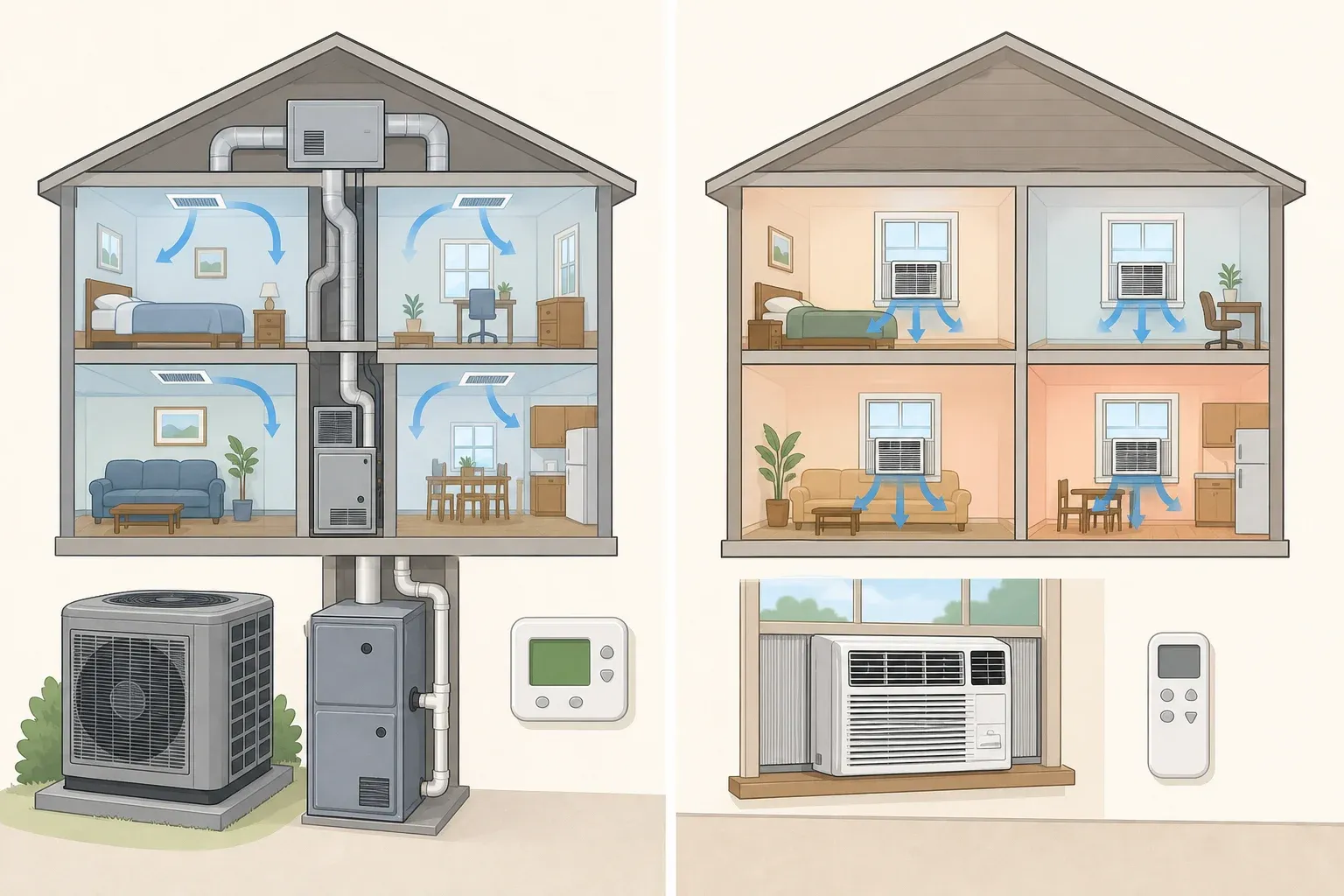
2. Airflow Problems and Temperature Inconsistencies
Weak or nonexistent airflow from vents signals your system is struggling (Lex Electrical). Common causes include clogged filters, malfunctioning blower motors, dirty coils, or ductwork problems. When your living room feels 10°F different from your bedroom, you're dealing with a system imbalance that demands attention.
DIY Steps:
Filter inspection: Pull out air filters and hold them up to the light. If you can't see through them clearly, replace them immediately. Change every 1-3 months in high-use seasons (A-1 Guaranteed).
Vent check: Walk through your home, ensuring all vents and registers are open and unobstructed by furniture or curtains.
Airflow test: Hold tissue paper near each vent. It should flutter noticeably when the system is running.
Why it works: Clogged filters can significantly restrict airflow; studies and field tests show cleaning or replacing filters/coils can increase supplied airflow by roughly 10–46% depending on system condition, forcing your system to work harder while delivering less comfort. Clean filters restore proper air circulation and system efficiency.
Professional territory: If basic maintenance doesn't restore strong, consistent airflow, you're likely dealing with leaky ducts, improper system sizing, or internal component failures requiring professional diagnosis.
3. Unusual Odors That Signal Danger
Strange smells from your HVAC system require immediate attention - some indicate serious safety hazards (Lex Electrical). Burning odors often point to electrical problems like short circuits or overheating components (Conditioned Air Systems). Rotten egg smells near your unit could indicate natural gas leaks requiring emergency response.
Immediate Action Protocol:
Gas smell: Evacuate immediately, don't use electrical switches, call the gas company from outside
Burning electrical smell: Shut off the system at the breaker, call emergency HVAC service
Musty smell: Turn off system, this indicates mold/mildew growth in the unit or ductwork (Conditioned Air Systems)
Safety note: These aren't DIY troubleshooting situations. Unusual odors signal potential safety hazards requiring trained technicians with proper detection equipment. Electrical odors can indicate motor or wiring problems, while musty smells can damage your home and create health issues (HVAC.com).
4. Water Leaks and Moisture Issues
Puddles around your air conditioner are never normal and demand immediate action (Lex Electrical). Water leaks typically stem from clogged condensate drain lines, damaged drain pans, or refrigerant leaks (Conditioned Air Systems). Most commonly, clogged drain lines prevent proper water drainage from the system (Lex Electrical).
DIY Steps:
Power off the system immediately to prevent electrical hazards.
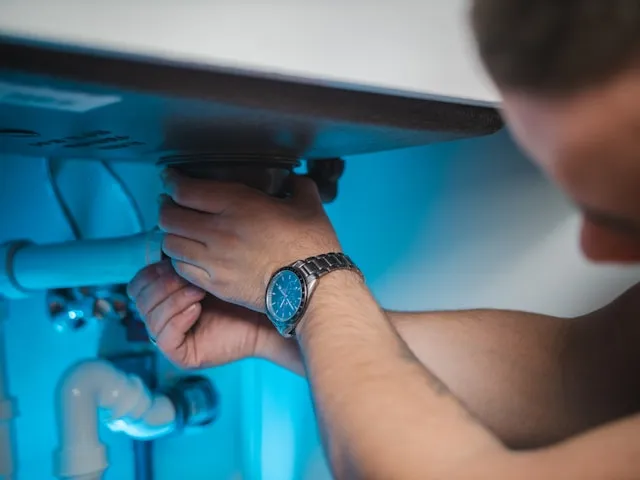
Locate condensate drain line: Usually a PVC pipe near the indoor unit leading outside.
Vacuum clearing: Use a wet/dry vacuum on the drain line opening for 60-90 seconds to remove blockages (A-1 Guaranteed).
Test drainage: Pour 1 cup of water into the drain pan to verify flow.
Coil cleaning: Gently brush visible dirt from accessible evaporator coils to prevent moisture buildup.
Critical timing: AC water leaks should be addressed within 24-48 hours to prevent system damage, home damage, and mold growth. If DIY clearing doesn't stop the leak, call professionals immediately.
5. Electrical Issues and System Cycling Problems
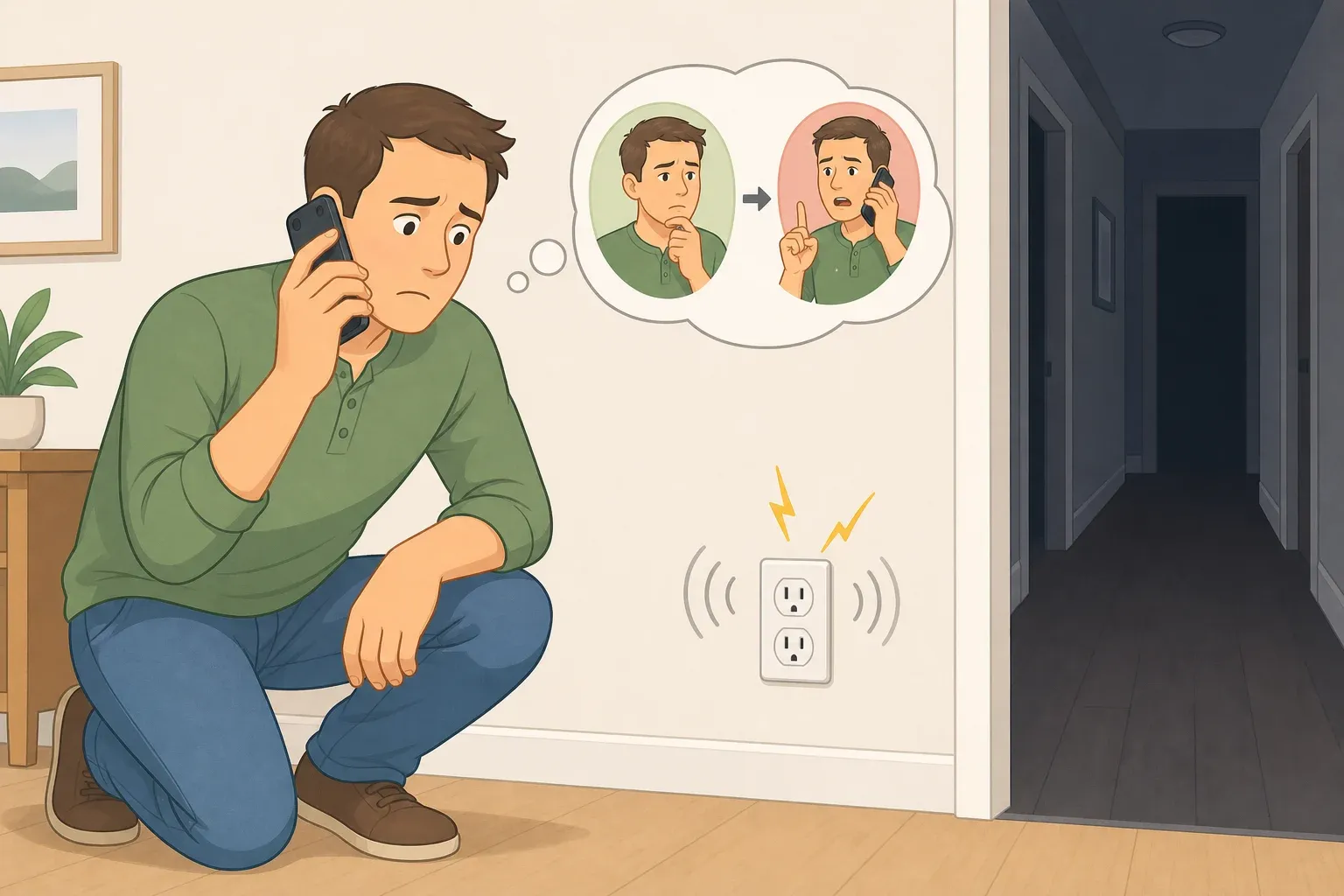
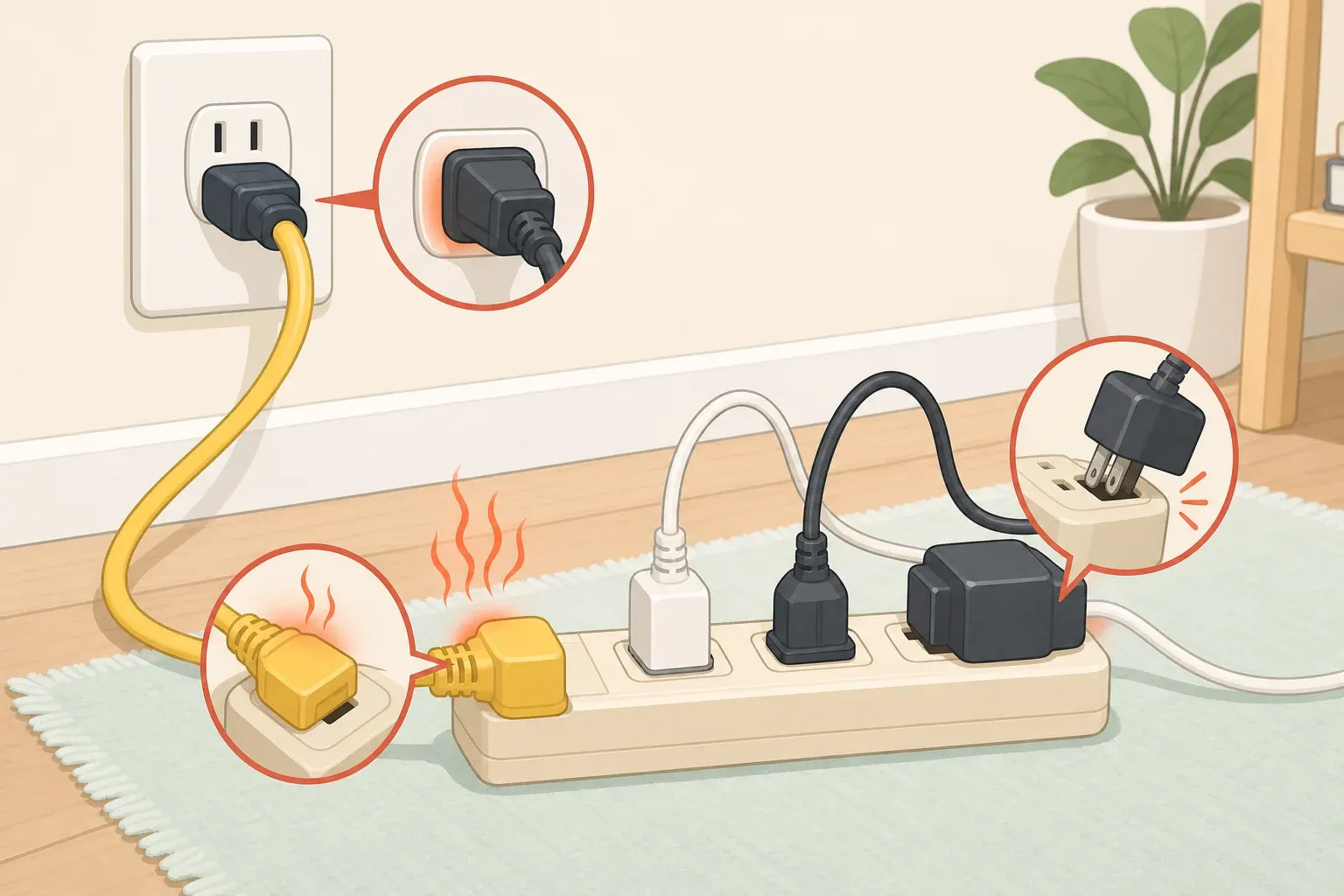
When your HVAC unit repeatedly trips circuit breakers, you're facing electrical issues requiring emergency repair. Short cycling - when your system starts, shuts down after 2-3 minutes without reaching the set temperature, then restarts shortly after - wastes energy and damages components.
DIY Steps:
Electrical panel check: Look for tripped breakers or blown fuses at your home's electrical panel. Reset breakers or replace fuses if needed (A-1 Guaranteed).
Thermostat verification: Ensure thermostat is set to the correct mode (heating/cooling) and appropriate temperature. Replace batteries if battery-operated (A-1 Guaranteed).
Monitor cycling: Time system cycles. Normal cycles should run 15-20 minutes in moderate weather.
Professional diagnosis needed: Frequent cycling often indicates improper system sizing for your home - the only solution is system replacement (HVAC.com). If basic electrical and thermostat checks don't resolve cycling issues, you need a professional evaluation for refrigerant leaks, electrical faults, or sizing problems.
When Professional Help Becomes Essential
Your HVAC system isn't just comfort equipment - it's essential for your safety and well-being (Lex Electrical). Ignoring warning signs can lead to catastrophic problems: major component replacements vary widely — blower/condenser motors commonly run ~$100–$900 (parts + labor), while compressor replacements can reach ~$800–$2,500, flooded basements from drain failures, or dangerous air quality issues affecting your family's health (Lex Electrical).
Call professionals immediately for:
Gas odors or suspected leaks
Electrical burning smells or frequent breaker trips
Refrigerant leaks (ice buildup, warm air from vents)
Water leaks that persist after drain clearing
System won't turn on despite basic troubleshooting
Professional service selection: Look for companies offering 24-hour emergency service, proper licensing, and upfront pricing. Emergency service often carries a surcharge; prices vary by provider and region (extra fees can double or triple a normal service-hour rate), but protect your system investment and family safety. Attempting complex repairs without training voids warranties and creates safety hazards.
Cleanup & Disposal
Store leftover air filters in a dry location
Dispose of old filters in regular household waste
Clean and store tools properly
Wipe down work areas with a damp cloth
Document any findings for future reference or professional consultation
Troubleshooting
Problem: System still making noise after clearing debris → Fix: Check for loose internal components; if noise persists, call a professional immediately
Problem: Weak airflow despite new filter → Fix: Check for blocked vents or ductwork issues requiring professional assessment
Problem: Water leak returns after drain clearing → Fix: May indicate damaged drain pan or refrigerant leak - contact professional
Preventive Maintenance Schedule
Monthly: Replace/check air filters, listen for unusual noises
Quarterly: Clear outdoor unit debris, check drain lines
Annually: Professional inspection and tune-up
Seasonal: Test system operation before peak heating/cooling seasons
Remember: Regular maintenance prevents most of these emergency situations and costs far less than major repairs or system replacement (HVAC.com).



Comments
Be the first, drop a comment!