



How Long Do Whirlpool Refrigerators Last: Lifespan Guide
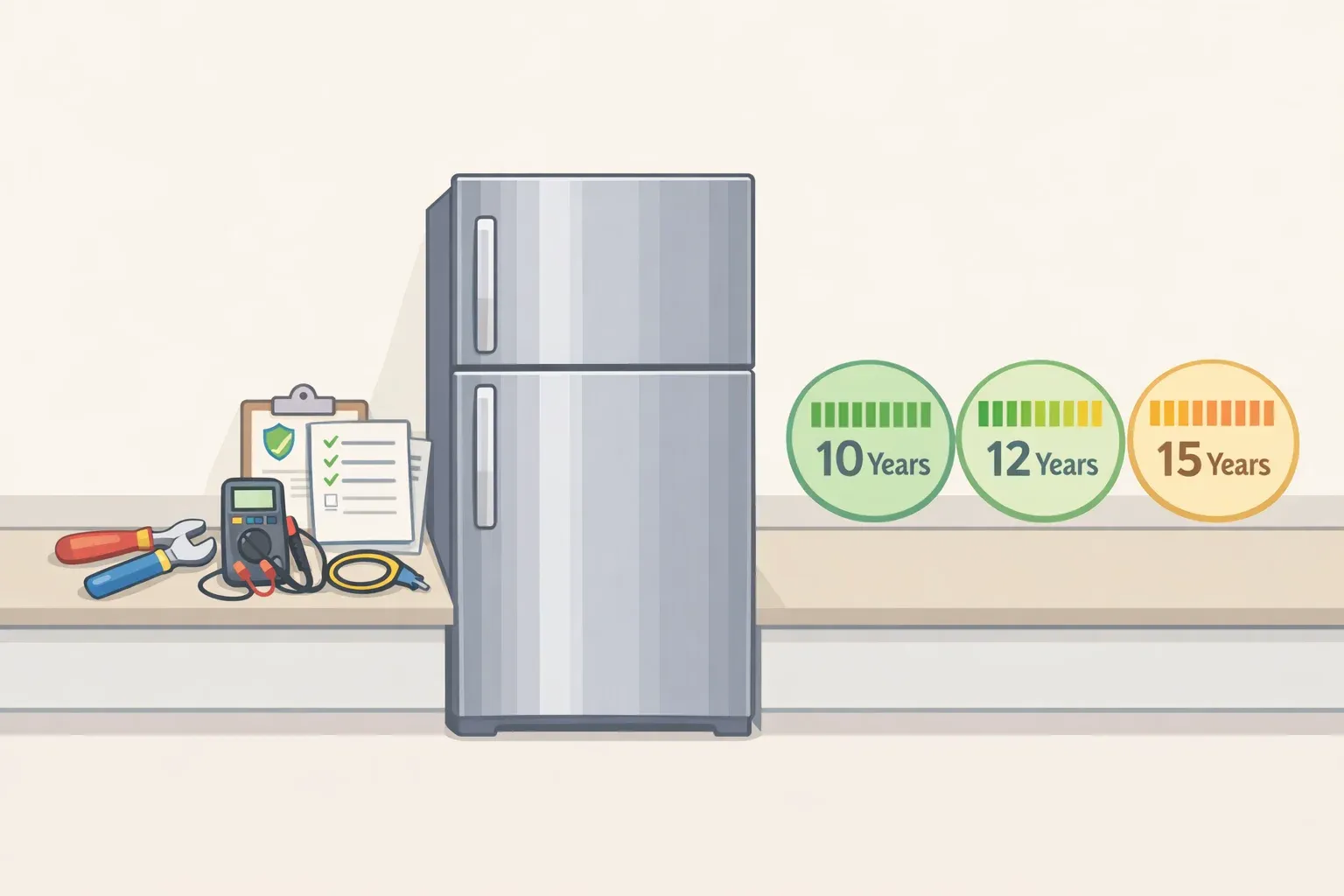
Most owners can expect roughly 10 to 15 years from a Whirlpool refrigerator. That's the direct answer. It's also worth being clear about what that number is: a refrigerator industry benchmark applied to how Whirlpool units are typically configured, not a finding from any Whirlpool-specific owner survey. No large-scale public data on Whirlpool lifespan exists in that form. The estimate is still useful, because the factors that push any refrigerator toward 10 years or toward 15 are largely consistent across brands and configurations.
What shapes that range most is model complexity, followed by maintenance. The brand name matters less than whether the unit is a stripped-down top-freezer or a French-door model loaded with a through-door dispenser, an ice maker assembly, and multiple control board circuits.
Standard manufacturer warranties across the refrigerator category typically run just one to two years, according to Which?. That's a short window relative to a 10-to-15-year working life, which means most of what a refrigerator does, and most of what can go wrong, falls entirely outside manufacturer coverage.
How long does a Whirlpool refrigerator last by model type?
The refrigerator industry's working benchmark is 10 to 15 years under typical household use in a climate-controlled kitchen. Whirlpool units fall within that range based on available category data. Where a specific unit lands within it is, as an editorial inference from how refrigerators are engineered, more a function of configuration than brand.
The core variable is mechanical complexity. More components means more potential failure points. Simple in principle, consequential in practice.
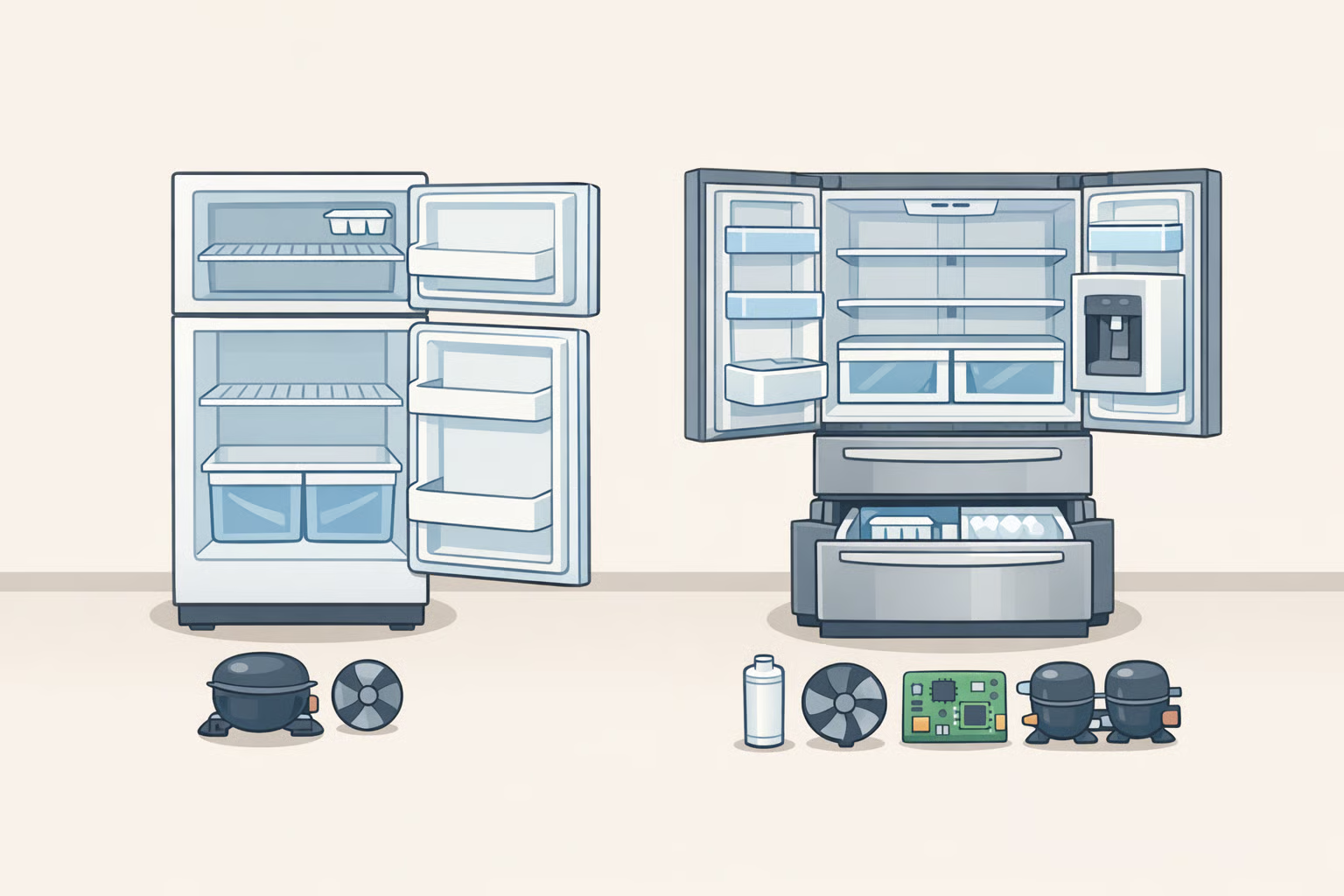
A basic top-freezer model runs on a compressor, a thermostat, and door seals. That's the majority of it. Fewer parts means fewer ways to fail, and the compressor is generally what determines end of life on these configurations. Based on the logic of that simplicity, these units would be expected to sit toward the higher end of the 10-to-15-year range, though that's an inference from design, not a sourced finding.
A French-door model with a through-door ice and water dispenser is a substantially different machine. A water inlet valve, ice maker assembly, dispenser motor, multiple control board circuits, and additional door seals each become candidates for failure, often before the compressor shows any wear. A secondary component failure on a feature-heavy unit can trigger a replacement decision years before the refrigerator has exhausted its mechanical life. The compressor may be functioning fine; the control board or ice maker isn't, and the repair estimate forces a replace-or-fix calculation. It's a reasonable editorial inference that feature-heavy configurations cluster closer to the 10-year mark for this reason, though that specific claim is logical extrapolation from complexity rather than a sourced finding.
Side-by-side models fall somewhere in between: more complex than a top-freezer, simpler than a fully equipped French-door unit.
Many refrigerator brands extend warranty coverage up to 10 years for specific components, most often the compressor, which signals where the industry expects consequential failures to concentrate, per Which?. LG pairs a standard two-year parts-and-labour warranty with a separate 10-year parts-only warranty on its Linear Compressor Motor, Which? notes. That tiered structure, separating compressor coverage from general unit coverage, is common across major refrigerator brands and reflects a shared engineering assumption: the compressor is built to outlast most of what surrounds it.
Simple vs. feature-heavy: what your Whirlpool configuration means for upkeep
Before estimating what a unit will cost to maintain or when to expect its first serious repair, it helps to know which category it falls into. The distinction isn't about brand tier or price. It's about parts count.
A simple configuration has a compressor, a thermostat, and door seals. That describes most top-freezer models and basic bottom-freezer units without dispensers. The upkeep is predictable: clean the condenser coils, check the door seals, and the compressor is largely left to do its job without being overstressed by secondary system failures.
A feature-heavy configuration adds through-door ice and water dispensing, an automatic ice maker, electronic control boards, and often additional door seals on French-door panels. Each of those systems has its own service life, and none of them is guaranteed to match the compressor's. Owners of these units should expect at least one component repair before the refrigerator reaches the end of its mechanical life, and should factor that into any cost planning.
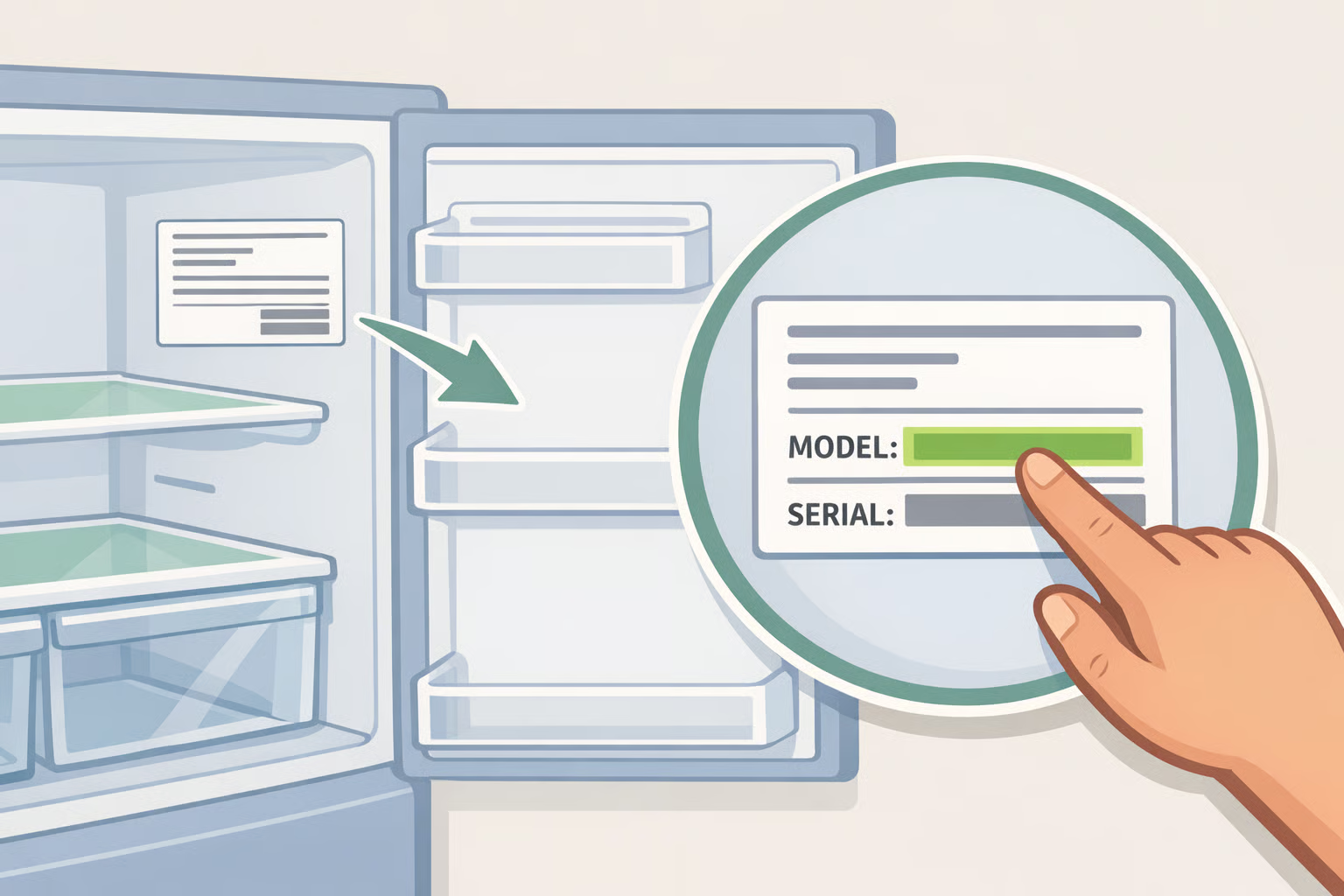
To identify which type a specific Whirlpool is: check the model number, which sits on a label inside the fresh-food compartment, usually on the side wall or ceiling of the interior. The model number is also what Whirlpool uses to confirm exact warranty terms, so it's the right starting point for any coverage question. From the model number, the configuration details are available directly through Whirlpool's product documentation.
For feature-heavy units, the components most worth tracking are the ice maker assembly, the water inlet valve, and the control board. These tend to be the first to require attention. For simple units, the door gaskets and condenser coils are the main maintenance items and, if kept in good condition, the compressor typically sets the ceiling on service life.
What actually extends a Whirlpool's service life
The 10-to-15-year estimate isn't fixed. Maintenance is the main variable an owner can actually move.
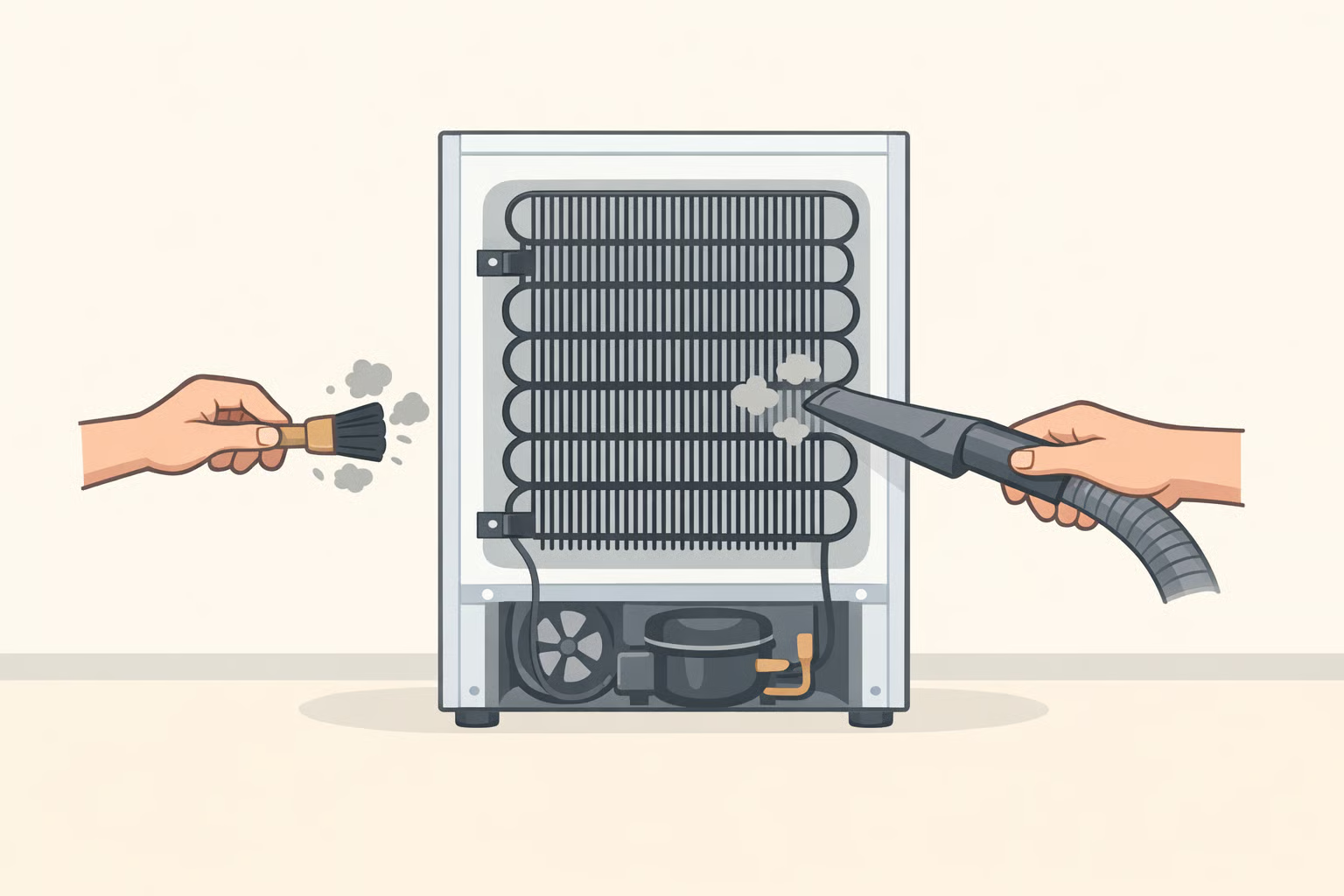
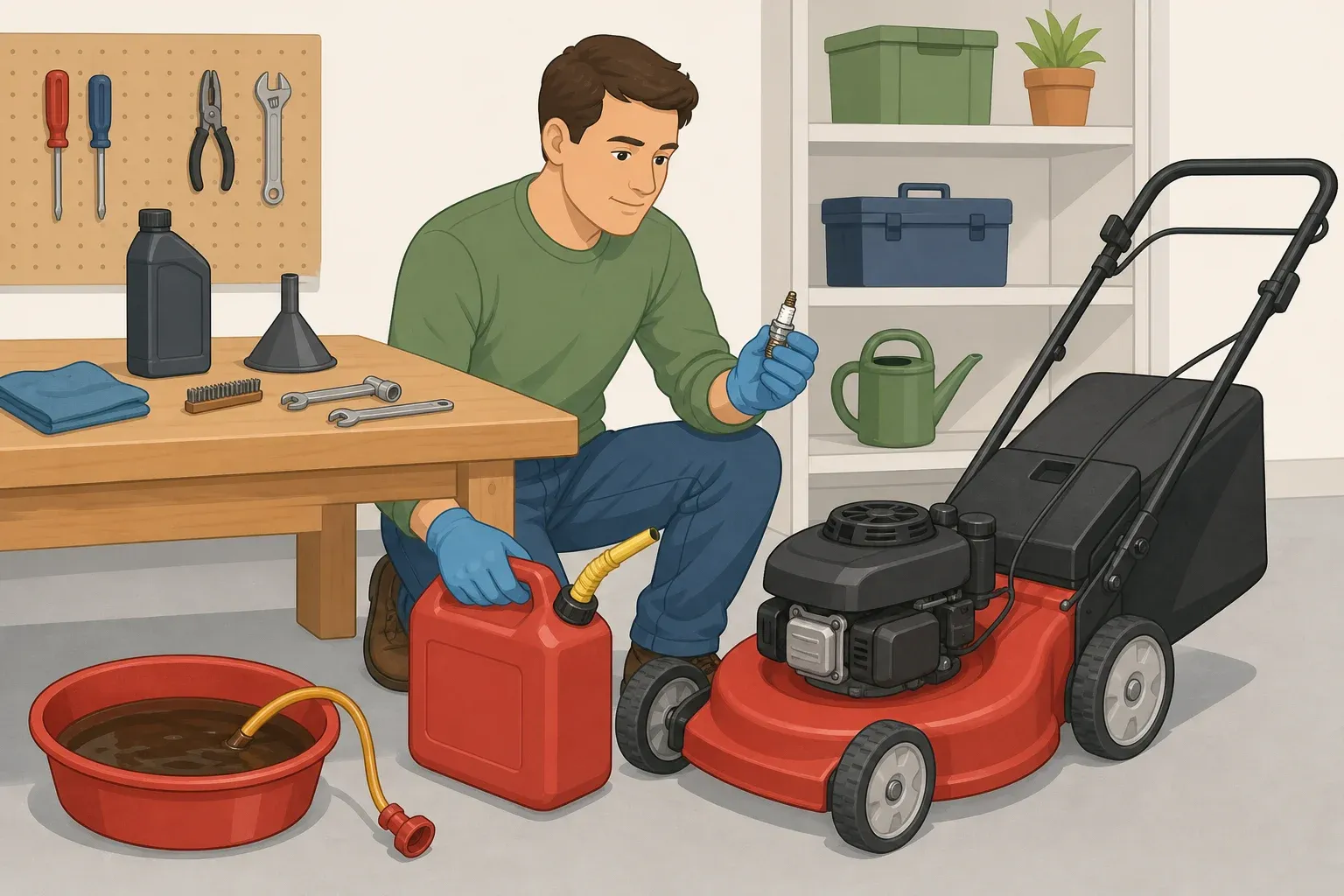
Condenser coils are the highest-return item. Located at the back or underneath the unit, these coils release heat from the refrigeration cycle. Dust accumulates on them regardless of how clean the kitchen is. When that happens, the compressor has to work harder to hold temperature, and sustained extra load shortens its life. Cleaning the coils once or twice a year with a brush or vacuum attachment takes roughly 15 minutes. It's widely regarded by appliance service professionals as the single most neglected routine maintenance task on refrigerators, and skipping it is a reliable way to lose years on a unit.
Door gaskets are the second priority. A cracked or loose seal lets cold air escape continuously, forcing the compressor to cycle more often and accumulate wear faster. The test is simple: close the door on a sheet of paper and pull. Resistance means the seal is holding; if it slides out without effort, the gasket needs replacing. It's a relatively low-cost repair that prevents compressor strain from compounding quietly over years.
Where the unit lives also matters. Refrigerators are rated to operate within a specific ambient temperature range, and a unit in an uninsulated garage running through summer heat or winter cold operates outside those parameters. That's common service advice, not a sourced finding, but it's a placement decision made once with long-term consequences worth considering at installation.
Usage intensity (door cycles, loading warm food) is a real variable at the extremes but marginal for most households. Coil cleaning and gasket integrity are the levers that actually move the needle for the average owner.
What warranty coverage tells you and what it doesn't
A warranty is a legal commitment to cover specified failures under defined conditions. It is not an engineering prediction of how long the appliance will run.
Think of it like a contractor's roof warranty. A 20-year warranty doesn't mean the roof fails at year 21; it means the contractor's financial liability ends there. The actual useful life depends on materials, weather, and maintenance. Refrigerator warranties work the same way, reflecting a business calculation as much as an engineering one.
The most important thing to read in any warranty is the scope, not the headline number. Standard manufacturer warranties across the refrigerator category run one to two years, Which? reports. What that covers varies considerably: some plans include both parts and labour; others cover parts only, leaving the owner responsible for the technician's time even on a technically covered repair. Extended plans can stretch to 10 years, Which? notes, but a long headline number with parts-only terms may deliver less practical value than a shorter plan that includes labour.
Bosch offers a two-year standard warranty with paid extensions up to 10 years, per Which?. Where a refrigerator is purchased can also affect total coverage independently of the manufacturer: John Lewis provides a two-year guarantee on all large appliances and three years on its own-brand lines, Which? notes, which can stack with whatever the manufacturer offers.
Before paying for an extended protection plan, check whether an existing home warranty policy or credit card purchase benefit already provides comparable coverage, Which? advises. For Whirlpool specifically: confirm current terms directly with Whirlpool or the retailer at point of purchase. What matters most is whether the compressor carries separate extended coverage and whether any plan includes labour. A parts-only warranty on a compressor repair can still leave a substantial bill in the owner's hands.
Repair or replace: working through the decision
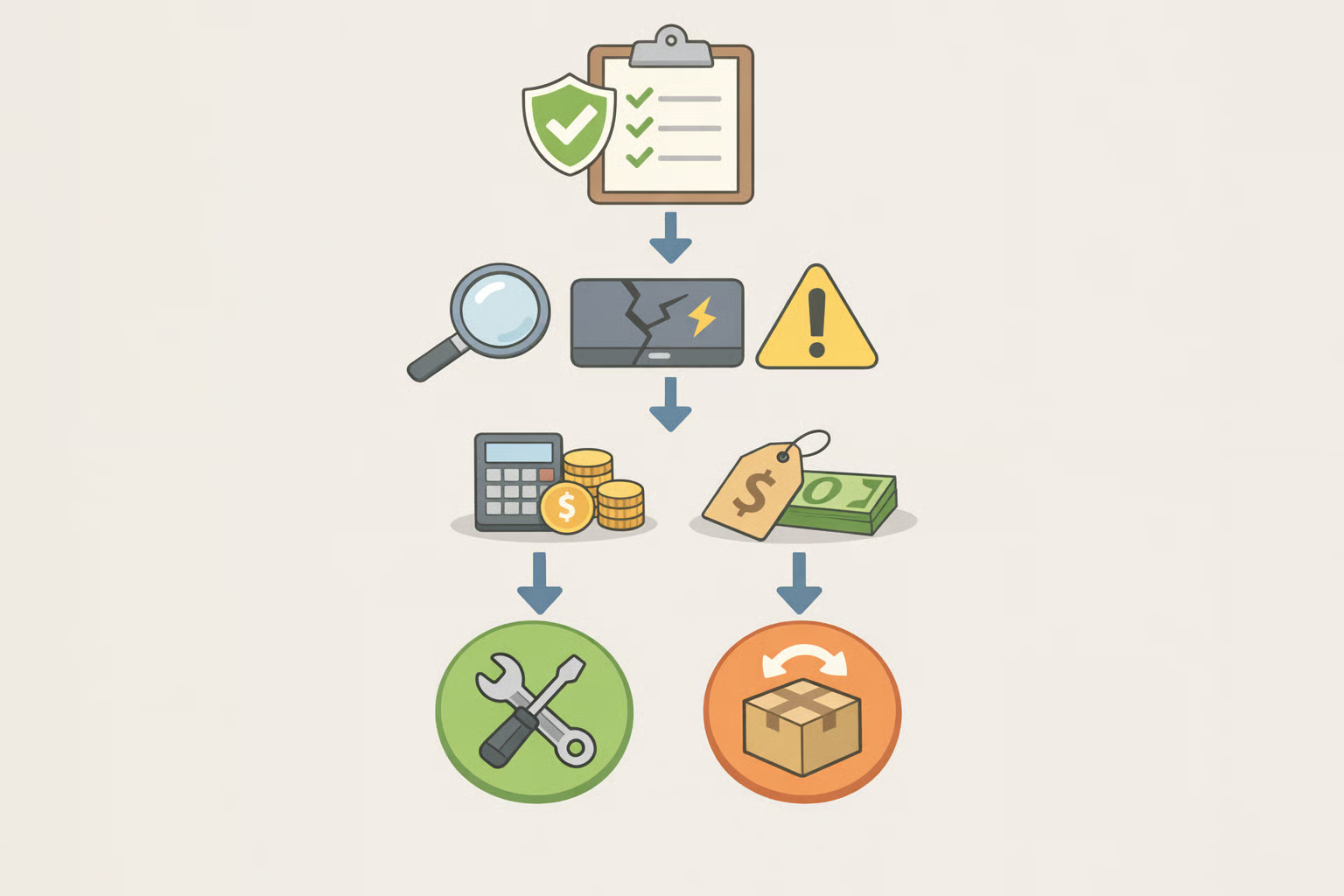
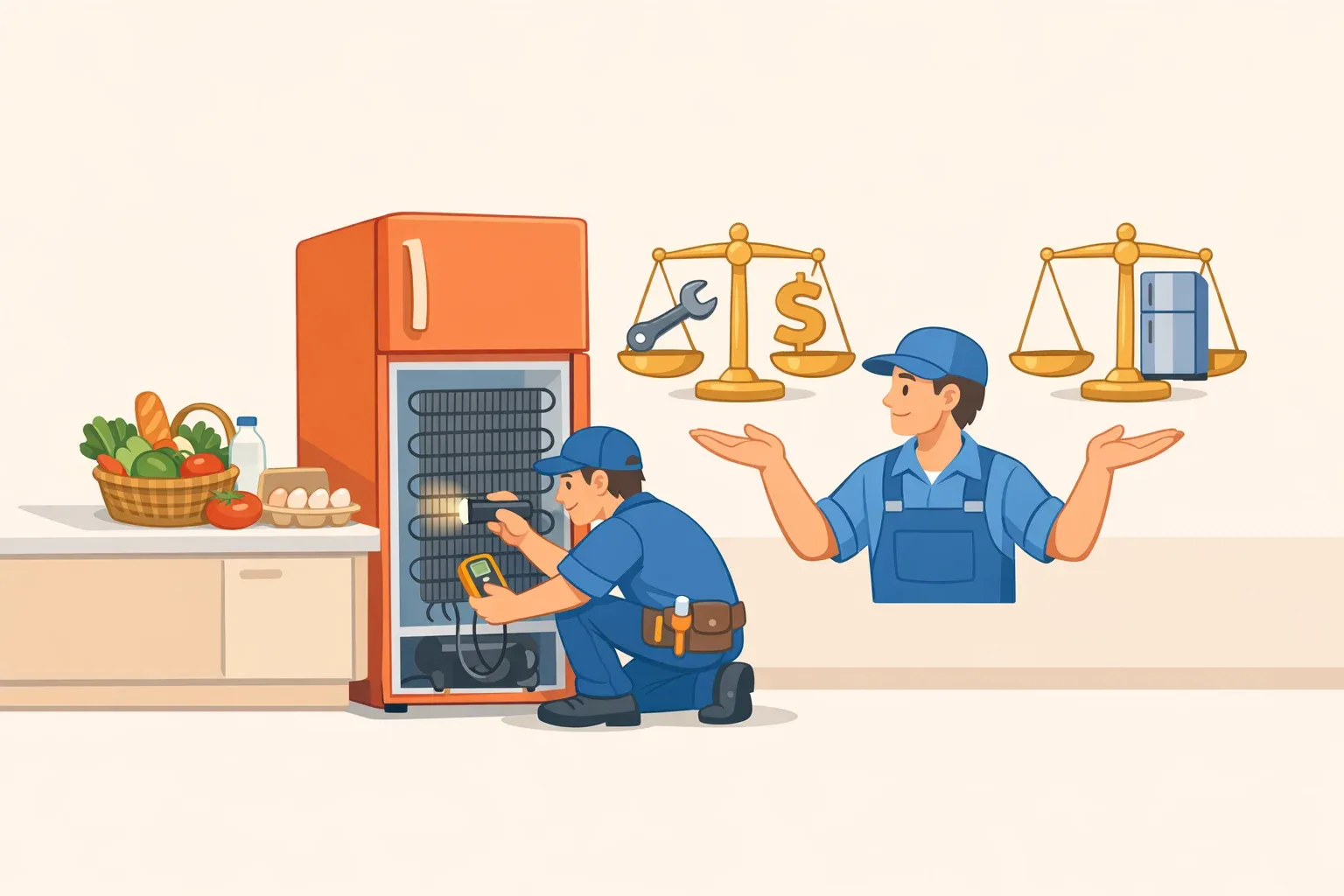
When something breaks, four questions determine the rational path. Work through them in order.
Check warranty status first. If the unit is still within the manufacturer window, contact Whirlpool before anything else. Everything below applies to out-of-warranty repairs.
Identify what failed. Not all failures carry the same weight. Door gaskets are generally lower-cost repairs. Thermostats and temperature control boards sit in a moderate range and tend to warrant repair if the unit is on the younger side of its expected lifespan. Compressor failures are the high-stakes call, and age shapes the answer.
Apply a cost-to-value comparison. A commonly cited rule of thumb in appliance repair is that if a repair estimate exceeds half the replacement cost of a comparable new unit, replacement is usually the more rational choice. That threshold isn't a sourced industry standard; it's a practical heuristic, and one worth treating as a starting point rather than a hard rule. A repair that clears that bar on a 12-year-old refrigerator still warrants skepticism about what fails next.
Factor in operating costs. Older refrigerators are generally understood to draw more electricity than current models, though the actual gap depends on the specific units being compared. That ongoing difference is a real cost that belongs in the comparison.
One thing the warranty section feeds directly into here: a parts-only extended warranty on a compressor that fails in year nine still leaves the owner paying labour. That labour cost is part of the repair estimate and counts against any cost comparison. It doesn't sit outside the calculation.
The compressor is the component that major manufacturers most consistently single out for extended coverage, per Which?, which reflects both its cost and its status as the most consequential failure point in a refrigerator's service life.
The practical summary
Based on refrigerator category benchmarks, a well-maintained Whirlpool in a standard household should run somewhere in the 10-to-15-year range. Simpler top-freezer configurations would be expected, as an inference from design complexity, to trend toward the longer end. French-door models with dispensers and electronic controls carry more failure risk and may cluster closer to 10 years, not because the compressor fails sooner, but because something else usually goes first.
Two maintenance habits do most of the work: clean the condenser coils once or twice a year and replace door gaskets when they lose their seal.
On warranties, read the scope. Coverage that reaches 10 years but applies only to parts can still leave a large labour bill when a major component fails. Knowing that before a breakdown changes the practical value of any plan.
Find the model number inside the fresh-food compartment, use it to confirm current warranty terms directly with Whirlpool, and identify whether the unit is a simple or feature-heavy configuration. Those three things give a clear picture of where any Whirlpool stands before something goes wrong.
For broader context on appliance reliability across manufacturers, Which?'s refrigerator brand reliability guide covers owner satisfaction data across multiple brands.





Comments
Be the first, drop a comment!