



Weird noises in house and what they mean: how urgent is each sound
A strange sound in the house is a clue, not a diagnosis. Find the exact source, check for smoke, heat, or visible damage, then decide whether to keep watching it or stop and call someone. That's the fastest way to work through weird noises in house and what they mean, whether it's coming from a battery, an outlet, or somewhere in the attic.
Most of what a house does all day, framing settling, an HVAC system switching on, pipes adjusting to water temperature, only needs a quick look before you move on. One sound on this list breaks that pattern. ESFI and ReMA list hissing, crackling, or popping from a lithium-ion battery as a direct warning sign of battery failure, right alongside leaking, odor, and swelling.
This guide sorts five common house noises and their causes into three action levels: leave and call 911, stop using it right away, or run a safe homeowner check first. Everything described here stays at the level of observation. None of it calls for opening an electrical panel, taking apart a battery, cutting into building material, or handling wildlife directly. Those steps belong to a licensed or accredited professional.
Common house noises and their causes: what to check first
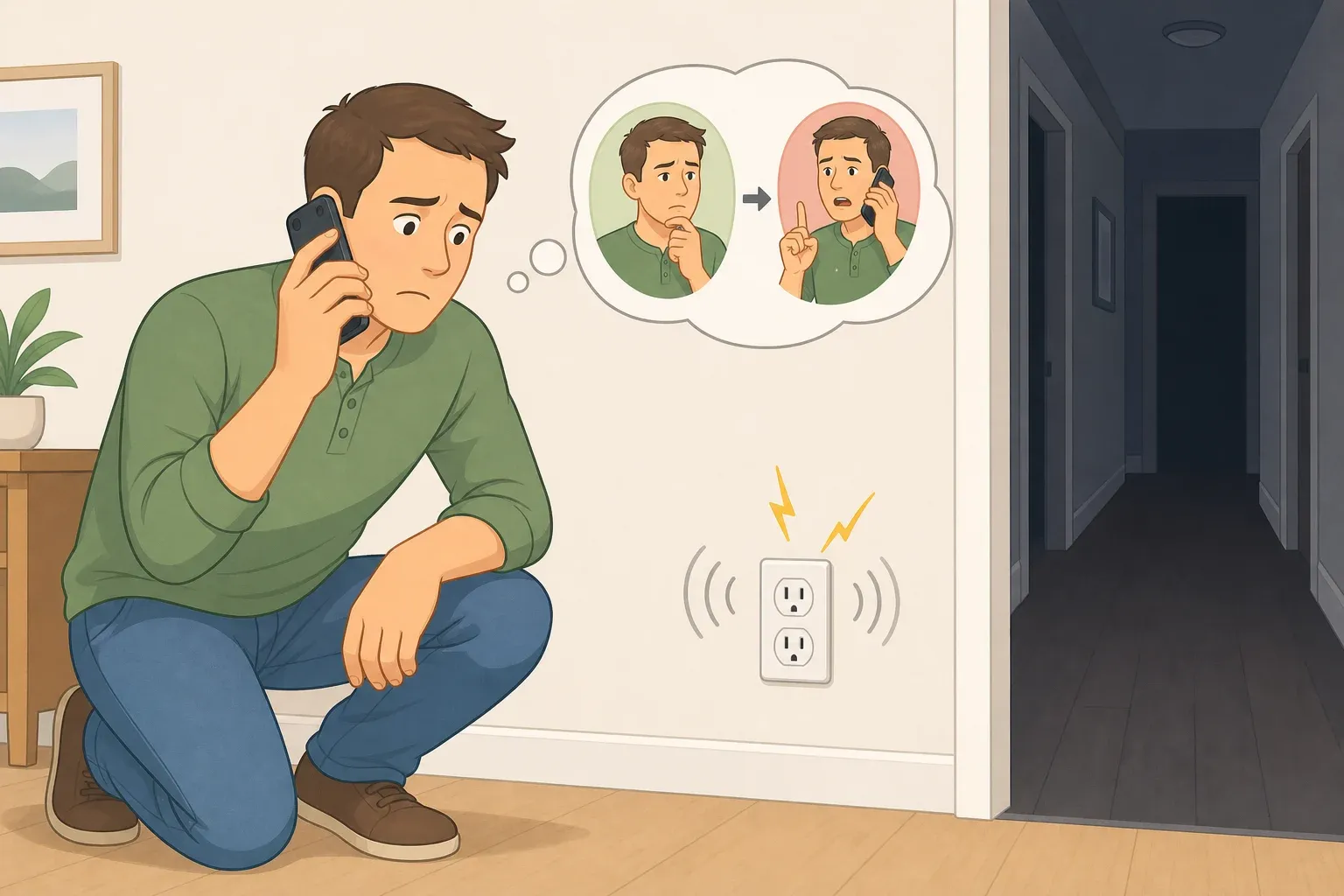
If something in the house is making noise and there's no obvious explanation, start here before doing anything else.
- Leave and call 911 now: a battery or device that's smoking or on fire.
- Stop using it right away: a battery with noise, odor, leaking, discoloration, or swelling but no smoke or fire; a buzzing or humming outlet, switch, or breaker panel; cracking or popping tied to visibly damaged floor tile, ceiling tile, siding, or shingles.
- Safe homeowner check first: banging or gurgling in pipes; scratching, scurrying, or rustling in walls, ceilings, or the attic.
Before you investigate any sound
A few checks apply no matter which of the five is in play. Identify the exact room and source without opening anything, taking apart a device, or reaching into a wall or ceiling cavity. Note whether the sound lines up with something specific, like an appliance cycle, running water, or a device charging.
Only look at things that are visible, unplugged or powered down, and easy to reach without opening a cover or panel. A burning smell, smoke, visible fire damage, or the sense that an animal might be trapped somewhere are all reasons to stop looking and call a professional instead of getting closer.
Hissing, crackling, or popping from a battery: the most urgent sound to investigate
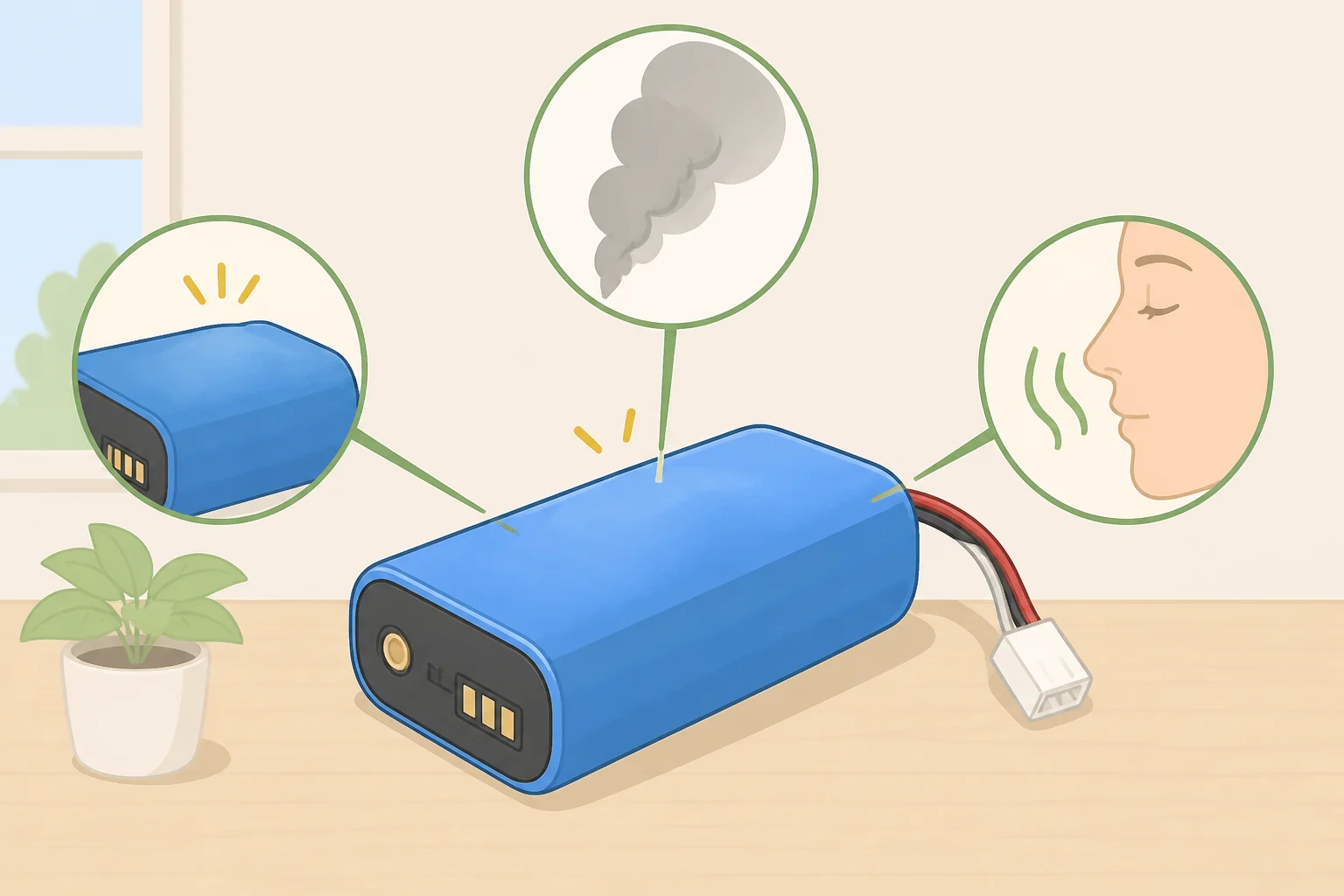
Lithium-ion batteries are built into more everyday items than most people realize: phones, tablets, laptops, e-bikes, e-scooters, electric toothbrushes, and backup batteries, according to ESFI and ReMA. A hissing, crackling, or popping sound from any of these is a listed warning sign, right alongside leaking, a sweet electrical-burning odor, a change in color or shape, and smoke.
If smoke or fire shows up, evacuate immediately and alert anyone else in the home, since batteries can explode. Call 911 and tell the dispatcher it's a battery fire. Don't go back inside to retrieve the device: a damaged battery may release toxic gas that isn't always visible and can be dangerous even in small amounts, so clearing the area matters even if the fire looks small.
If there's no smoke or fire, just noise, odor, leaking, discoloration, or swelling, stop using the device and keep people and pets away from it. Don't press on it, pry it open, or test it to confirm the problem. Damaged batteries should be handled with care. Move it away from the structure, or into a fireproof container, only if that's clearly safe to do. If it isn't, leave it where it is and keep the area clear instead.
Once people are clear and the device is no longer in use, skip any further inspection or transport unless it's obviously safe. Contact the manufacturer, the local fire department, or an approved battery-recycling program for next steps. Never put a damaged or suspect battery in the regular trash or recycling bin. It can ignite, and it needs to go to an approved drop-off location instead.
Buzzing or humming from an outlet, switch, or breaker panel
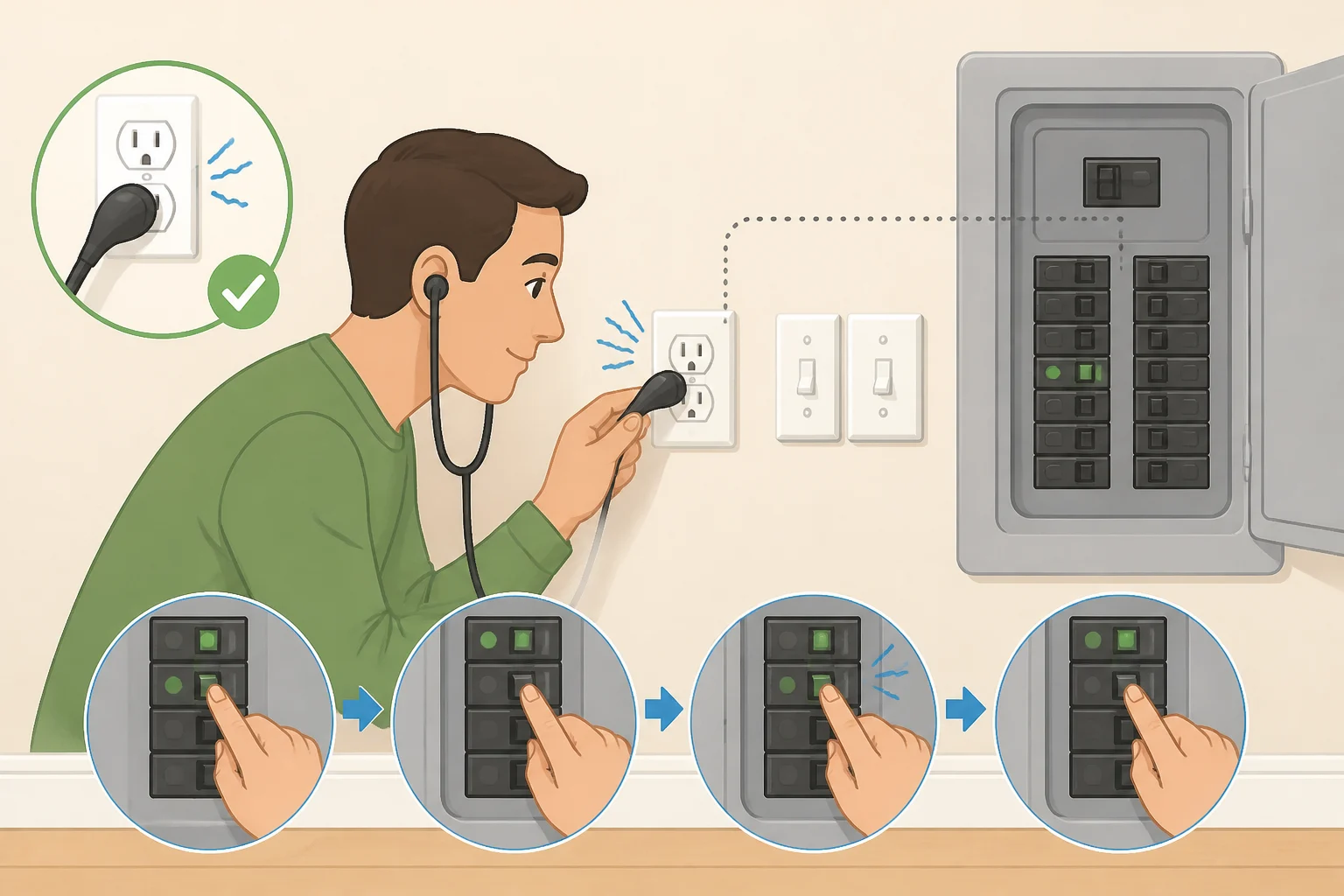
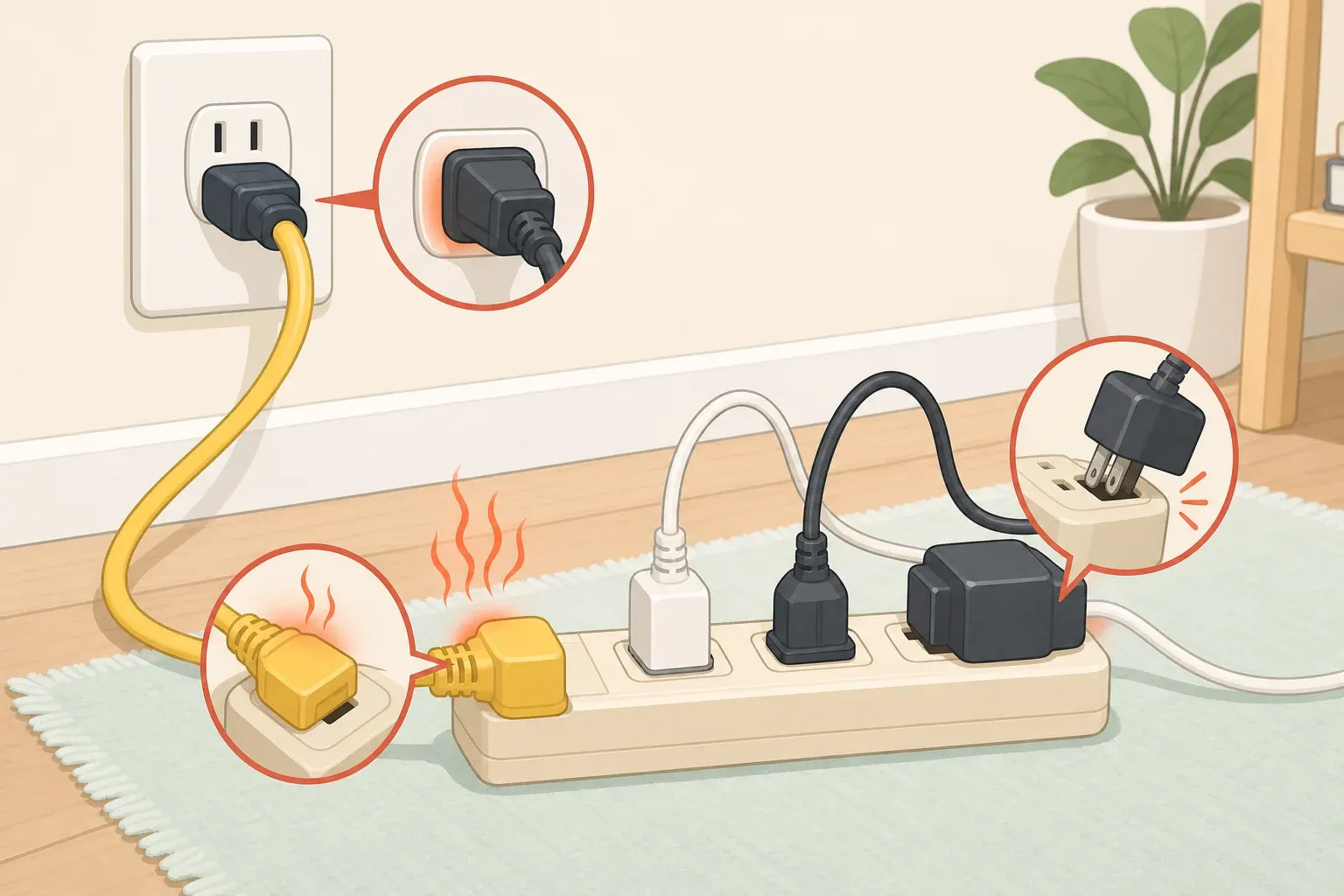
A steady buzz or hum from a wall outlet, a light switch, or the breaker panel sounds different from the ordinary cycling hum of an HVAC unit or a refrigerator compressor. Note which outlet, switch, or breaker it's coming from, and whether anything looks unusual nearby, without touching the outlet slots or removing any covers.
Avoid using that outlet or switch until it's been looked at. Nothing about the sound alone tells you what's causing it or how urgent it is, so unplug whatever is connected and leave the rest to a licensed electrician who can inspect the wiring properly.
Opening the outlet cover, the switch plate, or the breaker panel door is outside ordinary-reader scope no matter what's behind the noise. That kind of inspection calls for a licensed electrician before anything gets touched.
What's safe to hand off: which outlet, switch, or breaker is affected, which room it's in, when the sound started, and whether it's constant or comes and goes. That's the description an electrician needs to start, and it's as far as a homeowner check should go.
Banging, knocking, or gurgling in pipes
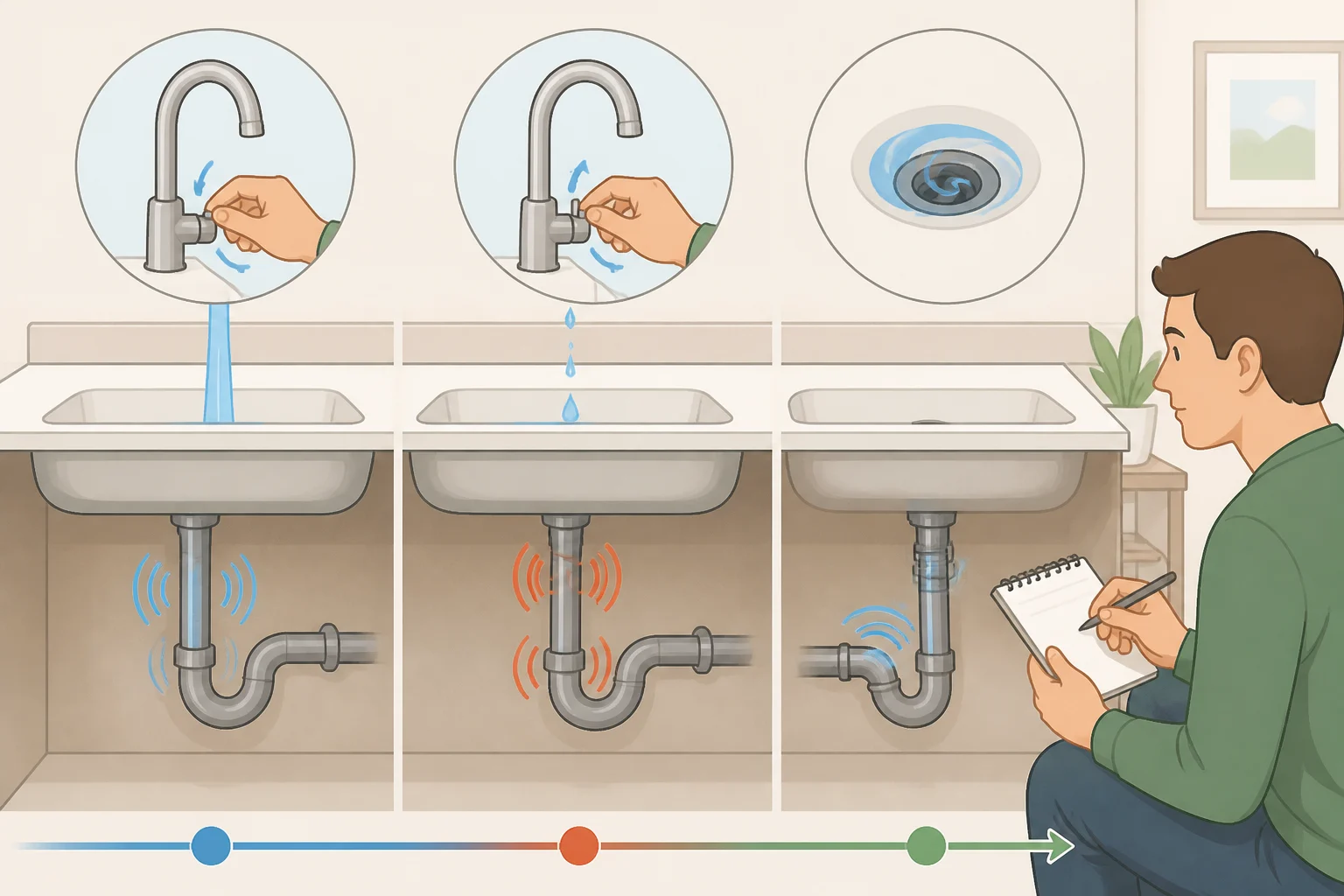
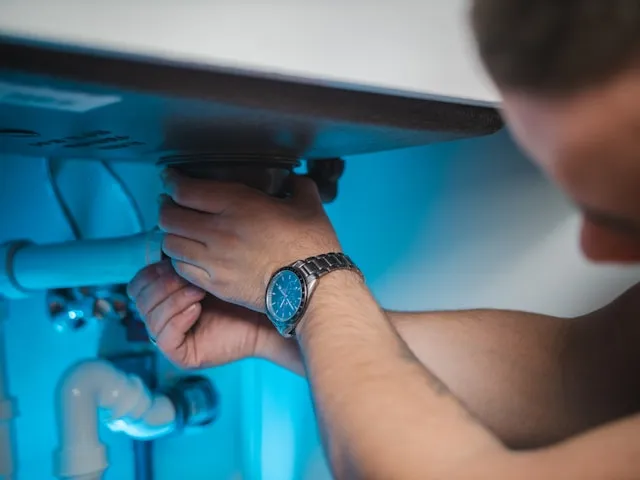
A sharp bang right as a faucet or washing machine valve shuts off, or a gurgling sound from a drain during or after use, is worth tracking rather than ignoring indefinitely. It's also one of the two sounds on this list a reader can trace without opening anything.
Run the fixture again and note exactly when the sound happens: right at shutoff, partway through draining, or somewhere in between. Check whether it occurs at one fixture only or throughout the house, and keep a short record of which fixture, what action triggers it, and whether it's gotten louder or more frequent over time.
If the sound shows up alongside water staining, a change in water pressure, or any odor, mention that too when describing it to a plumber. Don't assume a fix found online, like adjusting a valve or swapping a part, solves the problem before someone has actually looked at what's causing it. Pass the record along to a licensed plumber rather than treating the sound as a solved case.
Scratching, scurrying, or rustling in walls, ceilings, or the attic
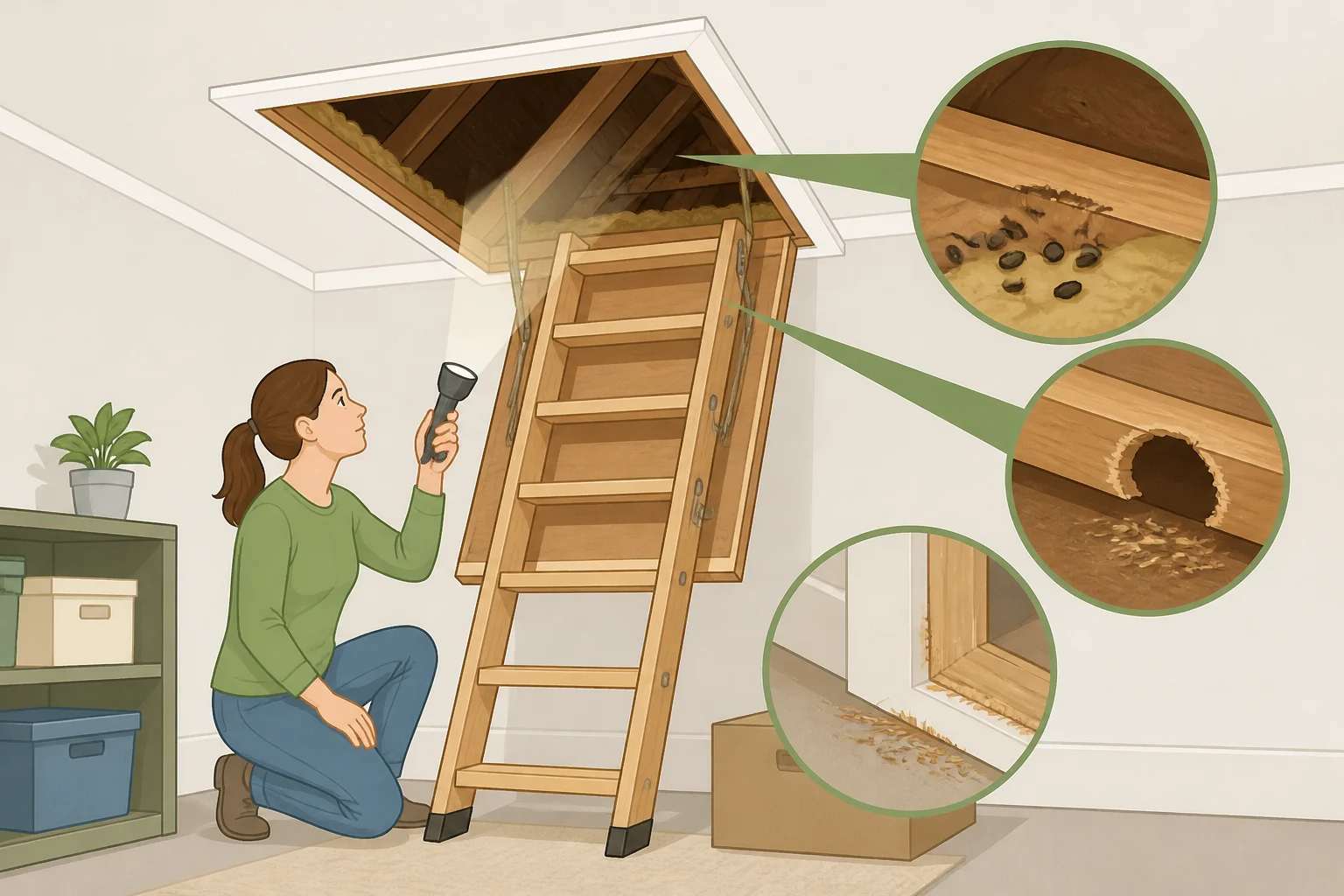
Scratching, scurrying, or soft rustling from inside a wall cavity, ceiling, or attic could be mice, squirrels, birds, or something else entirely. There's no reliable way to tell which from the sound alone, so this one stays firmly in observation territory.
From accessible areas only, look for other clues: droppings in the attic, gnaw marks near vents or eaves, or gaps on the exterior where something could have gotten in. Note the general location and the time of day. Nighttime activity tends to point toward rodents, while daytime sounds suggest birds or squirrels, though that's a clue, not a confirmation.
Write down what's been seen and heard, including location, timing, and any visible entry points, and pass that along to a pest control or wildlife removal company. Don't reach into a wall cavity, poke at a suspected nest, or try to trap or relocate an animal.
Hold off on sealing exterior gaps until a professional has assessed the situation. Let them decide the order of removal and sealing, since identifying exactly what's in the wall and getting it out isn't part of a homeowner check.
Cracking or popping near damaged building material
Cracking or popping that lines up with material that's visibly fraying, crumbling, or breaking, such as floor tile, ceiling tile, siding, or shingles, is worth a closer look. The occasional creak of wood framing responding to temperature changes is a different thing and isn't covered here.
Look at the material near where the sound is coming from. Is it actually cracking, fraying, or crumbling, not just aged? The sound itself doesn't say anything about what the material is made of, and it isn't a diagnosis on its own.
The EPA recommends testing suspect material specifically when it's damaged or before a renovation disturbs it. A qualified laboratory test is the only reliable way to know whether a material contains asbestos, and samples should be collected by a trained, accredited asbestos professional, not the homeowner.
Don't assume cracking or popping automatically means asbestos, and don't take a sample with a utility knife or sandpaper to check it yourself. Disturbing the material is the action that creates risk, not the sound. If the material near the noise is damaged, the next call is to a trained, accredited asbestos professional for testing, not a repair crew.
When to stop checking and bring in help
Pipe noise and attic scratching are the two sounds here a reader can trace without opening anything: confirm the timing, the location, and any visible evidence, then decide whether a professional needs to see it based on what's actually found. The other three, a battery, electrical wiring, or a building material that might contain asbestos, mean the reader's job stops at observation.
Document the source only when the area is visible, powered down or unplugged, and free of smoke or a burning smell. If any of those warning signs show up instead, leave the area and call for help rather than getting closer to look.
Creaking framing, an appliance cycling on, and the occasional pipe tick after a hot shower sit outside the five sounds covered here, and they don't need the same response unless something about them changes. Walk through the house once a season and note anything new. If one of those ordinary sounds starts sounding different, gets louder, or shows up somewhere new, that's the point to run through the checklist above, not before it.



Comments
Be the first, drop a comment!