



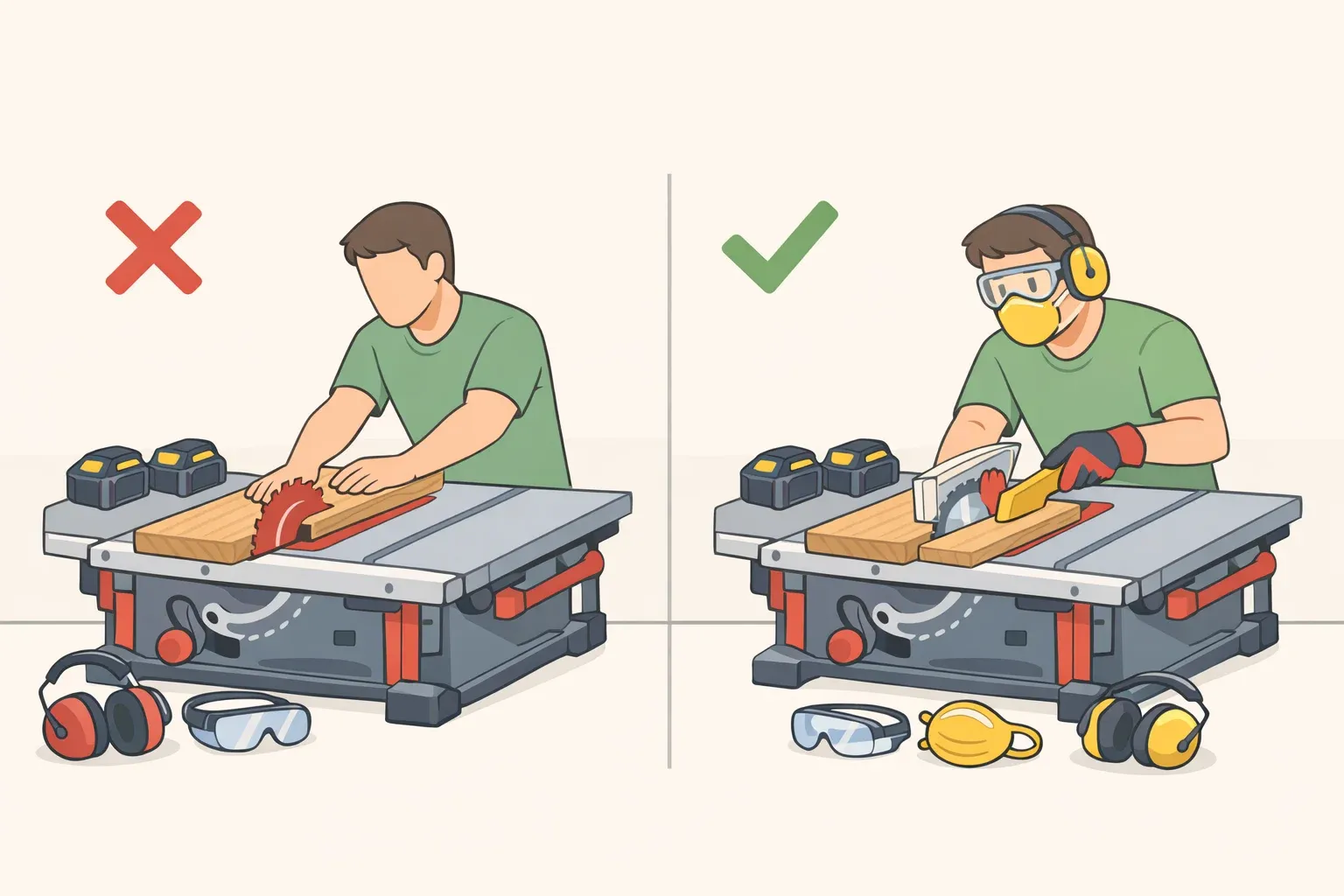
Lithium-ion batteries and brushless motors have quietly closed the gap between corded and cordless tools. Modern cordless models are now "pretty equal" to corded ones, and premium cordless tools can beat older corded gear on torque and speed. The hardware moved fast. The workshop wisdom about what to buy, how to use it, and how to stay safe hasn't caught up.
The old distrust of cordless tools traces back to nickel-cadmium batteries that couldn't hold a charge, a real limitation decades ago but not now. Brushless motors convert roughly 85 to 90 percent of electrical energy into mechanical power, versus 75 to 80 percent for brushed motors, a genuine engineering gain that manufacturers now charge $40 to $90 more for depending on the tool. And kickback remains a serious hazard tied to table saw habits that have outlived the equipment changes meant to fix them: riving knives have only been required on newly manufactured U.S. saws since a 2012 law.
This power tool myths debunked roundup groups 11 of the most persistent ones into three practical buckets: what to buy, how to get better results from what's already in the shop, and how to stay safe on the table saw, which can inflict a life-changing injury before anyone realizes something went wrong. The thread running through all of them: judge a tool or a setting by what it's actually doing mechanically, not by a label, a price tag, or a rule someone repeated in a garage.
Buying myths: cordless vs corded power tools, voltage, and brushless vs brushed power tools decoded
Myth 1: Cordless tools are always weaker than corded ones
Premium cordless tools now often outperform older corded models on torque and speed. Unless someone is running heavy machinery continuously in an industrial setting, a modern cordless tool handles most DIY jobs without a cord.
So are cordless power tools as powerful as corded ones across the board? Not quite. Corded tools still deliver unlimited runtime straight from the wall, and brushless efficiency gains barely register on a 15-amp corded tool, since runtime was never the bottleneck to begin with. Choose corded for sustained, high-load work like extended demolition. Choose cordless for mobility and typical home projects.
Myth 2: Higher voltage always means a more powerful tool
A five-cell lithium-ion pack can be labeled either "18V" or "20V Max." The cells run about 3.6V nominal and 4.0V at peak, so an 18V and a 20V Max tool can share identical underlying technology. That's specifically about nominal-versus-peak labeling within a single battery platform, not a claim that voltage never matters.
A quality 12V drill can beat a cheaper 20V tool at driving screws or drilling small holes. Compare torque, RPM, and gearing for the specific task instead of the number printed on the box, and only compare voltage across genuinely different tool classes, not marketing variants of the same pack.
Myth 3: Brushless is always worth the extra money
Brushless motors use Hall-effect sensors and an electronic controller instead of physical brushes, cutting friction and heat. That design enables 15 to 30 percent longer runtime on high-draw tools and can shave 10 to 20 percent off the weight.
The premium is real, often $40 to $90 more depending on tool type, and it doesn't automatically mean more power. A sander running at a steady, moderate load barely benefits from the switch. The runtime gains matter most on tools that get worked hard, and the full payoff, including less maintenance and a lighter build, scales with how often the tool actually gets used: weekly-plus use justifies brushless, monthly use makes it a nice-to-have, and a few uses a year means a brushed tool will outlast interest in the project.
Myth 4: Switching to brushless means starting a new battery platform
Within the same brand and voltage platform, batteries are interchangeable between brushed and brushless tools. A DeWalt 20V MAX battery works in both. Nobody needs to abandon an existing battery ecosystem just to try a brushless tool. Check platform compatibility, brand and voltage, before assuming an upgrade requires new batteries and chargers.
Performance myths: why your tool underperforms (it's rarely the tool)
Myth 5: More teeth on a blade is always better
High-tooth-count blades are built for smooth crosscuts in plywood, laminate, and trim, not for ripping thick stock. Using one for heavy ripping traps wood chips in small gullets, and that trapped waste creates friction that burns edges, strains the motor, and dulls carbide teeth prematurely. For heavy ripping, reach for a dedicated rip blade with fewer teeth, sometimes as few as 24, and deep gullets to clear the waste.
Myth 6: a dull or resin-caked blade only hurts the finish
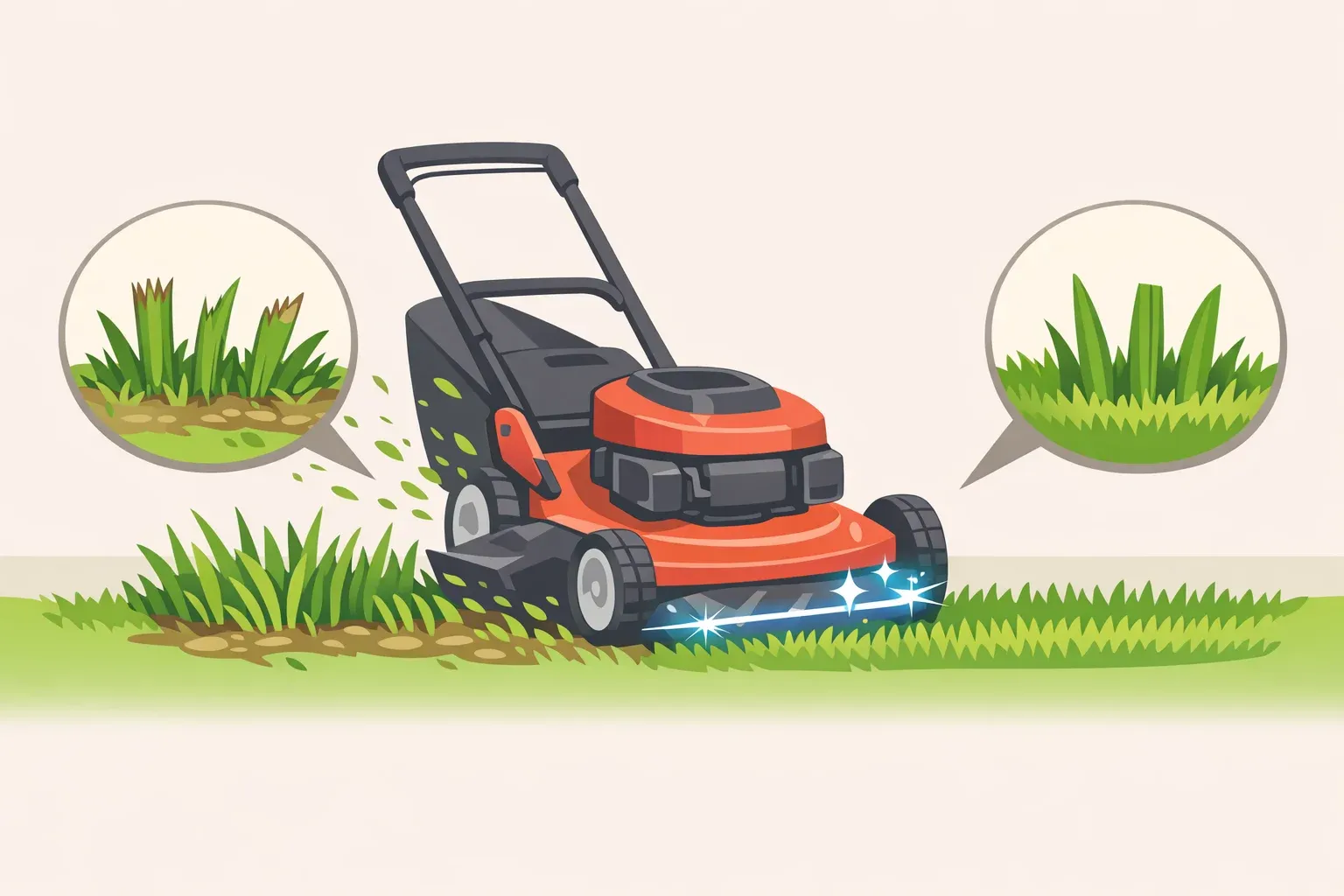
Resin buildup on blades and bits forces users to push harder through material, which strains the motor and degrades cut quality. Regular cleaning, paired with protectants made for machinery rather than household oil that attracts dirt and gums up moving parts, keeps tools cutting cleanly and extends their working life. Clean blades and bits regularly, sharpen or replace them at the first sign of forcing, and never compensate for a dull edge with extra muscle.
Myth 7: a more expensive tool automatically means better results
High-end brushless tools with advanced features cannot compensate for poor technique. Most mistakes and hazards trace back to misuse or poor maintenance, not the price tag of the tool, and a skilled builder gets great results from budget gear. Practice, cleaning, and safety habits pay off before any equipment upgrade does.
Table saw safety myths: the folklore that outlasted the fix
Kickback and blade contact are different hazards that require different defenses, which is why the table saw gets closer attention here than any other tool on this list.
Myth 8: There's one correct blade height for every cut
There is no single correct table saw blade height. It depends on the material, the type of cut, and tradeoffs between heat, tear-out, and cut speed. Many blade manufacturers design tooth geometry expecting the bottom of the gullet to sit just above the workpiece, so raising or lowering the blade significantly changes how the teeth engage the wood.
Treat blade height as fine-tuning for cut quality only after the saw, fence, blade, riving knife, and stock are correctly set up. Raise it slightly to reduce burning, lower it slightly to reduce underside chip-out. It is not a fix for binding, and it is not a substitute for addressing kickback risk.
Myth 9: A blade guard alone makes a table saw safe
The most frequently reported table saw accidents come from operator inattention and direct blade contact. Guarding the front of the blade is straightforward for some cuts but nearly impossible for others, and forcing a guard where it doesn't fit doesn't add safety. It can cost control of the workpiece instead.
Think of it as a hierarchy, not a single switch to flip. Use the guard whenever the operation allows it. Keep the riving knife in whenever it's compatible with the cut. When a guard genuinely must come off for a specific operation, use a workholding method matched to that operation, a push stick, push block, or sled sized to the cut, rather than improvising.
Myth 10: The riving knife is an optional extra you can leave off
Kickback is the cause of most severe table saw injuries, and a properly aligned riving knife sits in the kerf, preventing the workpiece from pivoting into the rear teeth that cause it. A low-profile riving knife can stay installed for the large majority of cuts, through cuts, bevels, and cuts on a crosscut sled, with stacked dado cuts as a main exception.
Riving knives have only been required on newly manufactured U.S. saws since a 2012 law. The bulkier splitters they replaced were so inconvenient that most owners removed them permanently, which is part of why kickback injuries were once so common.
Confirm the riving knife matches the blade's kerf width, since a mismatch can cause jamming, and pair it with flat, straight stock, milling at least one face and one edge before ripping, since warped lumber can rock into the blade's rear teeth even with other safeguards in place.
Inattention and hand placement cause most reported contact injuries; stock condition and blade alignment drive kickback, which causes the most severe ones. Treating them as the same problem means only half-solving it.
Myth 11: As long as you're careful, warped or rough lumber cuts fine
Ripping warped or unmilled lumber lets the board rock and twist as it's pushed, which can pivot the stock into the back of the blade. Milling at least one face and one edge flat before ripping keeps the board tracking straight against the fence and table. Attention and a riving knife can't fully compensate for stock that won't sit still. Rough-mill warped or wide stock on a bandsaw first, where a narrow blade doesn't pinch, then bring it to the table saw for final sizing.
Table saw safety isn't a single hack or accessory. It's a system of correct stock, alignment, guarding, and attention. Treating any single element as sufficient is itself the most dangerous myth on this list.
Conclusion
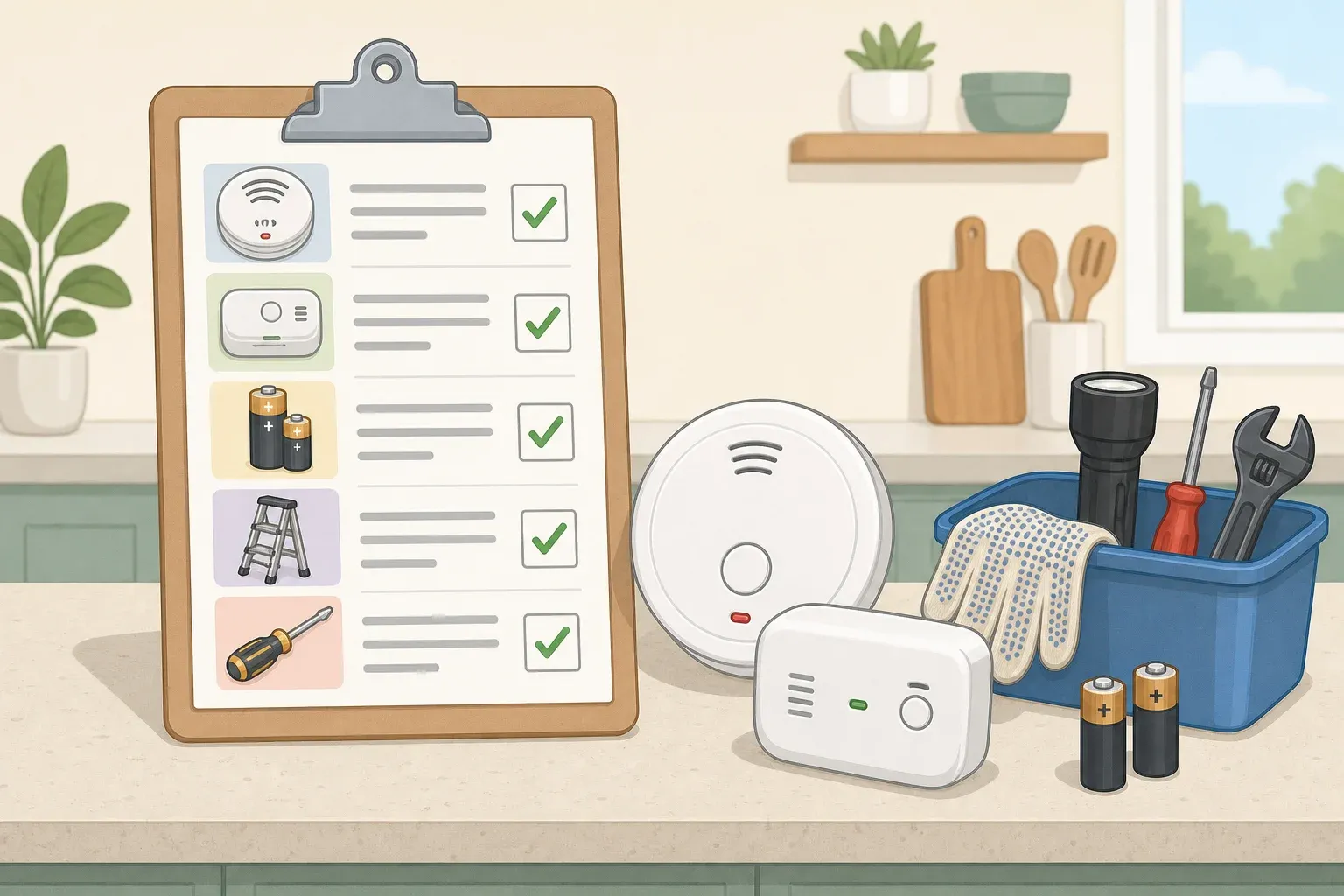
The checklist below covers the ground this piece just walked through, task by task.
Before buying: What's the job, and how often will the tool get used — weekly, monthly, or a few times a year? Let frequency decide whether brushless is worth the premium, and confirm battery-platform compatibility before assuming an upgrade means new batteries.
Before cutting: Does the blade match the material and cut type, crosscut versus rip? Is it clean and sharp enough that the tool isn't being forced?
Before using the table saw: Is the stock flat and straight, are the blade, fence, and miter slots aligned, is the riving knife installed and matched to the blade's kerf, and is the guard on wherever the operation allows it, with an appropriate push device ready if it has to come off?
Manufacturers are shifting lineups toward brushless designs. As those lineups keep shifting, buyers will run into new labels and new claims to decode. Memorizing more rules won't help much. Asking what a tool or a setting is actually doing mechanically, before trusting the label, the price, or the story a buddy told in the garage, will.







Comments
Be the first, drop a comment!