



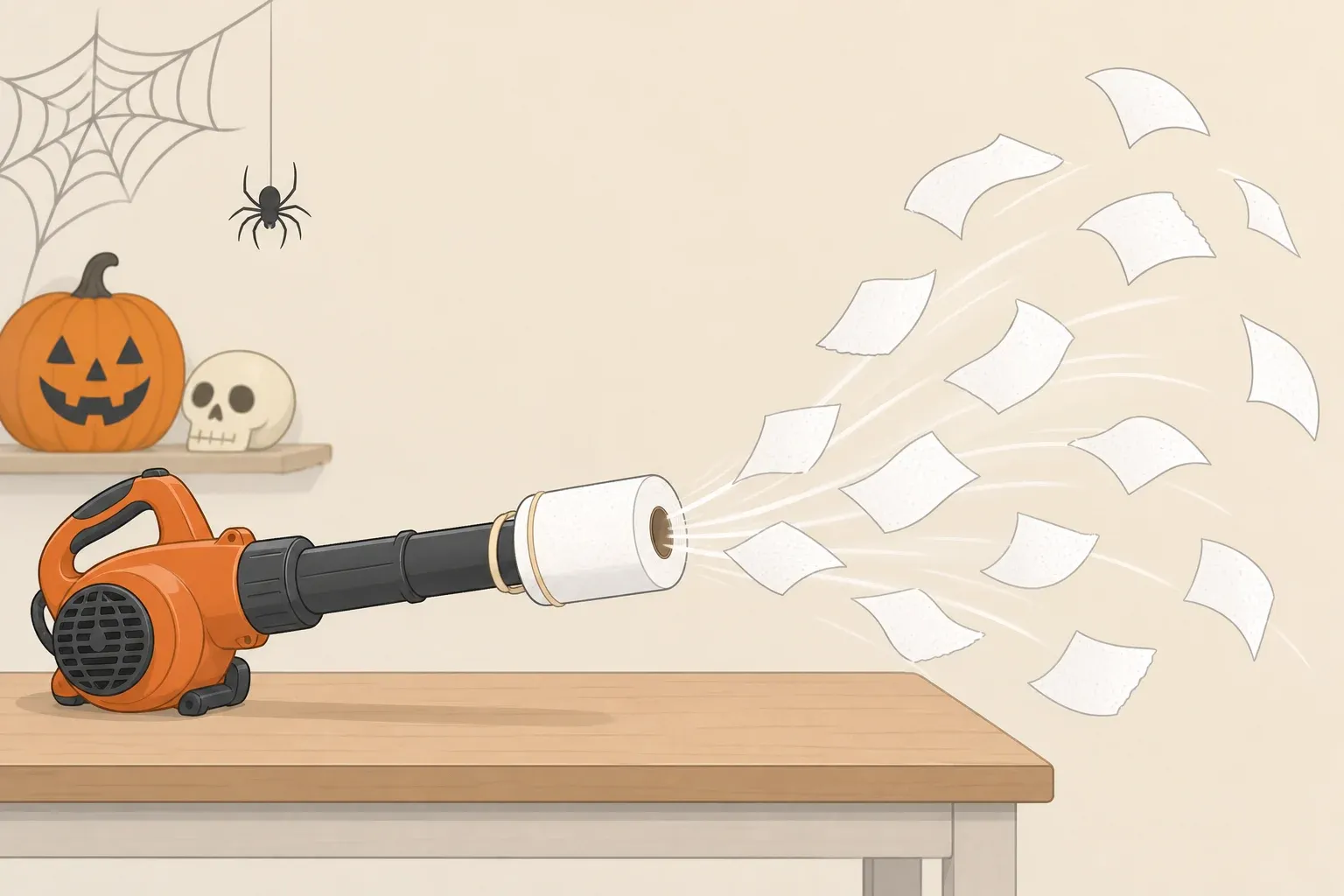
How to Make a Leaf Blower Toilet Paper Cannon for Halloween
WIRED's testers already rated the Ego Power+ 880 CFM the strongest and quietest battery-powered leaf blower in their lineup. This week, the outlet showed how to make a leaf blower toilet paper cannon using that same model: tape a loaded paint roller to the nozzle, and the airflow pulls sheets off the roll and sprays them outward in seconds. This piece reports on WIRED's build, explains why the airflow does what it does, and lays out the safety boundaries worth knowing before anyone goes near a running power tool with a roll of tissue.
Nothing in the build involves opening the blower's housing or touching its wiring. It's tape, a paint roller, and toilet paper. That simplicity is exactly why it's worth taking seriously. A loose attachment on a spinning tool, or a stream of paper aimed the wrong way, is the kind of mistake that happens fast, and this comes from one documented demonstration, not a method tested across different blower brands, nozzles, or wind conditions. Treat what follows as a report on what WIRED did, not a checklist to rush through.
Why airflow turns toilet paper into a cannon
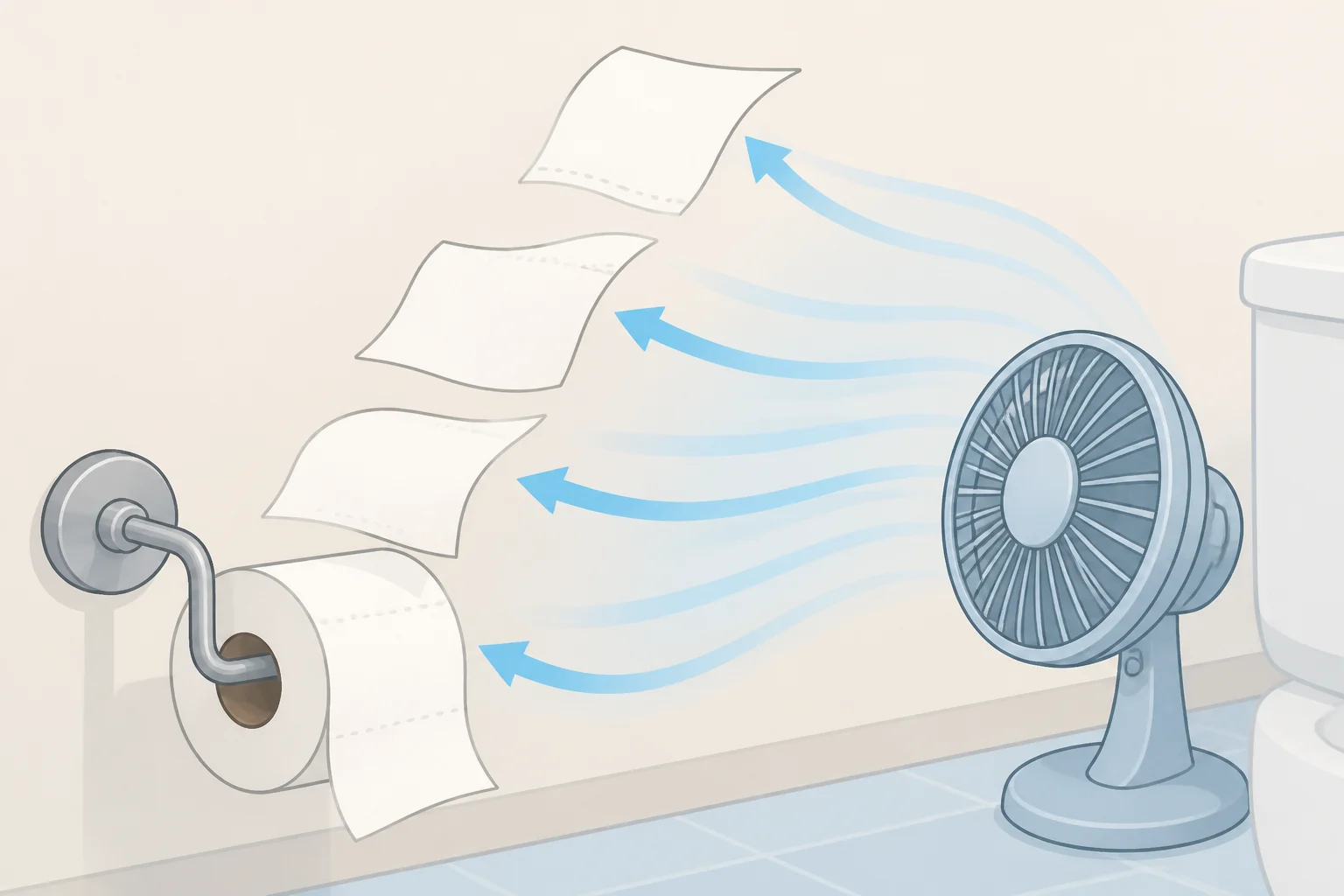
A blower's airflow, measured in cubic feet per minute and miles per hour, is what catches the leading sheets off the roll and keeps feeding paper into the stream once it's moving, according to WIRED's reporting.
To figure out where the roll needed to sit, WIRED's writer consulted Saffron Wyse, an associate principal at the engineering firm Thornton Tomasetti who specializes in fluid dynamics. Her read on the airflow shaped most of the build decisions in WIRED's write-up.
Wyse told WIRED that positioning the roll underneath the nozzle works better than other placements "because then you're pulling the paper upward into the airstream, and you want it to go upward because that stream is going to do the bulk of the work for you." In WIRED's demonstration, once the airflow caught the first few sheets, the rest of the roll unspooled on its own.
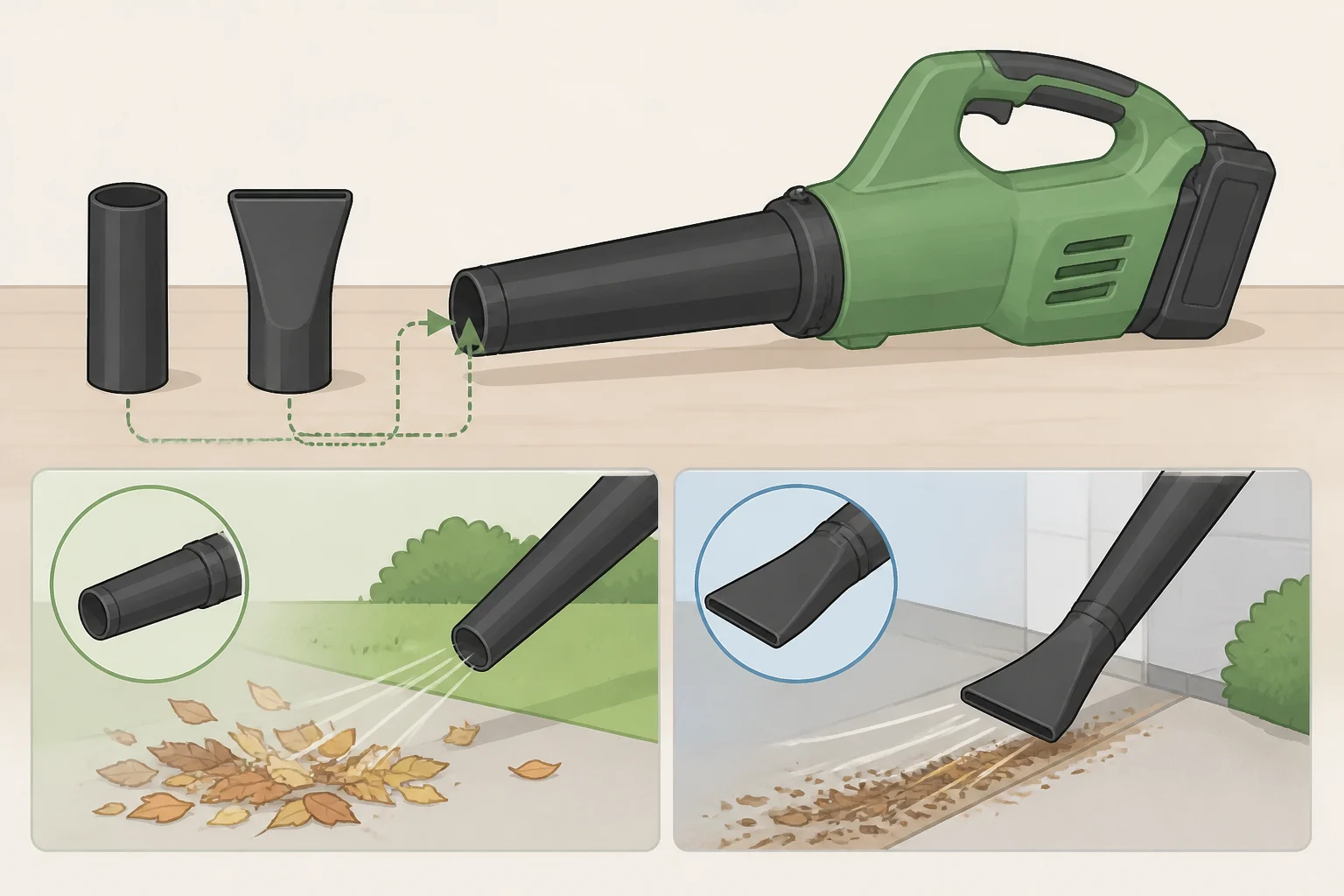
Nozzle shape mattered too. Most blowers ship with a tapered round tube, and some, including the Ego unit WIRED used, also include a wide, flat attachment. Wyse said the round tube is the more stable option because it produces a tall, wide airstream. A flat nozzle may trade some of that stability for speed, since its narrower opening compresses the airflow. Wyse noted that "having a thin nozzle arrangement that's trying to flatten the airstream probably gives you more force, more velocity, so it's likely to go further." That's a hedge about airflow physics, not a tested distance measurement, and it's why WIRED built its version around the flat attachment.
The leaf blower behind WIRED's Halloween toilet paper cannon
WIRED used the Ego Power+ 880 CFM for the demonstration, the same blower that, in the outlet's side-by-side testing of battery models, "blew away the competition" on power while running the quietest of the group. It was also the only unit in that test that could knock over a 5-pound brick paver without switching to turbo mode, according to WIRED.
That track record is why the model shows up twice in WIRED's coverage this week, once in the performance test and again in the Halloween build. It isn't proof that every blower, or any gas model, behaves the same way once a paint roller is strapped to its nozzle. The attachment hasn't been documented on other units, and WIRED's reporting only covers this specific battery-powered Ego.
WIRED also reports the Ego 880 CFM is on sale at Lowe's this week with a bonus battery bundled in. Technologist Mag's coverage lists the deal as running through November 4, though that date comes from Technologist Mag's own report rather than a Lowe's listing. Confirm the current price and end date at checkout if shopping for it.
How WIRED built its leaf blower toilet paper cannon
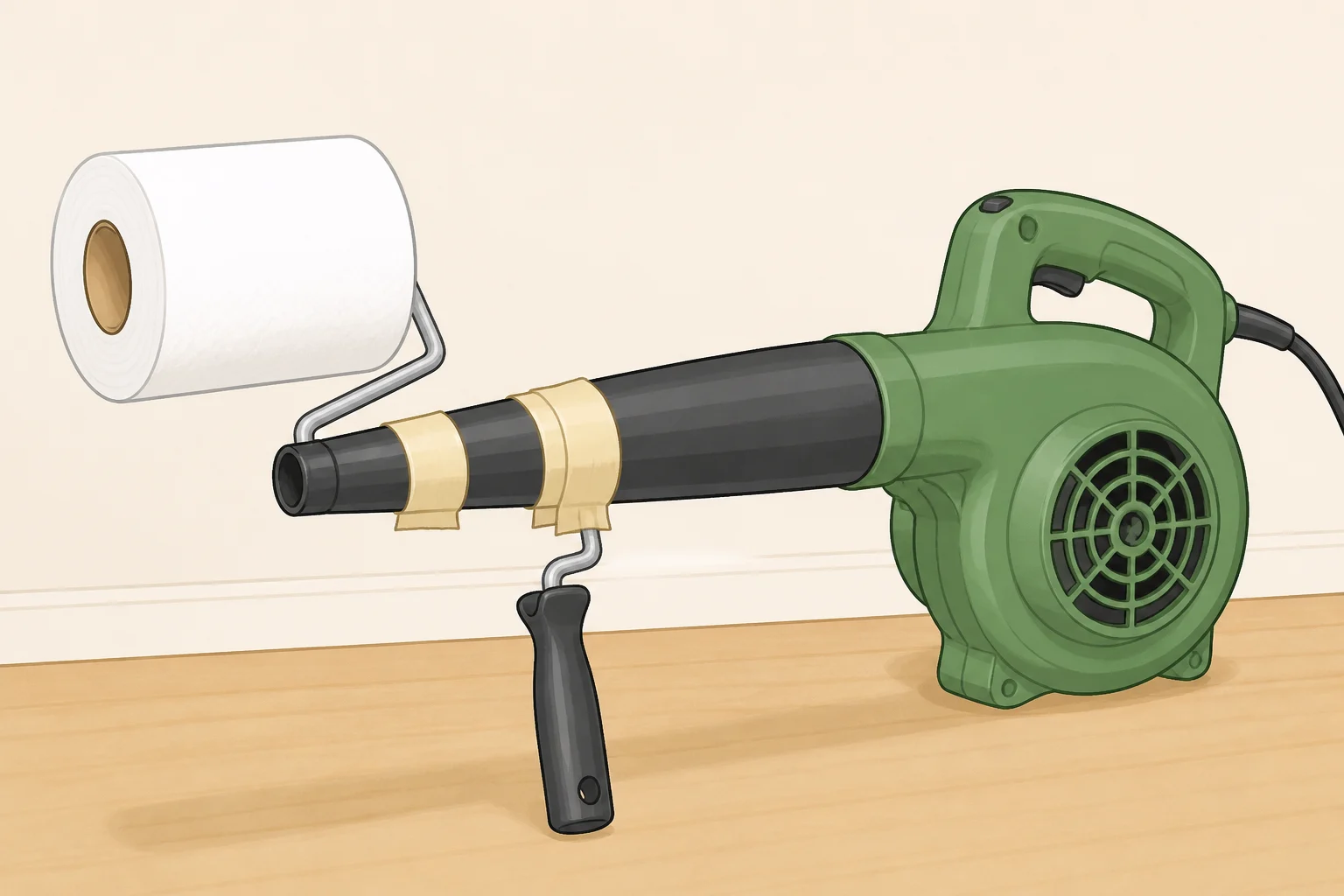
WIRED's build started with a mini paint roller made for standard nap rollers rather than the narrower foam-roller size, which Technologist Mag's walkthrough notes is too narrow to hold a toilet paper roll securely.
A roll of toilet paper slid onto the roller cage the way a paint sleeve would. Where the fit ran loose, Technologist Mag describes wrapping the cage first in painter's tape, then in duct tape, adding layers until the roll gripped snugly. The painter's tape layer was there for a reason beyond grip: Technologist Mag's notes say it was meant to keep the roller usable for actual painting jobs once the duct tape eventually came off.
WIRED positioned the loaded roller beneath the blower's nozzle, roughly 3 to 4 inches from the tip and centered in the airstream, matching the placement Wyse recommended. Painter's tape went onto the nozzle first to keep duct tape residue off the housing, then 12-inch strips of duct tape joined the roller handle to the nozzle. WIRED's notes describe measuring the fit and adding another wrap anywhere the connection felt loose.
With the roll in place and the blower powered off, a few sheets were pulled free so the stream had something to grab before the blower ran. Technologist Mag's demonstration used both single- and double-ply paper, and the outlet reports the roll unspooled within seconds once the airflow started. Cardboard and duct tape can stand in for the flat nozzle attachment if a blower doesn't ship with one, per WIRED's reporting.
Safety limits before you consider trying this
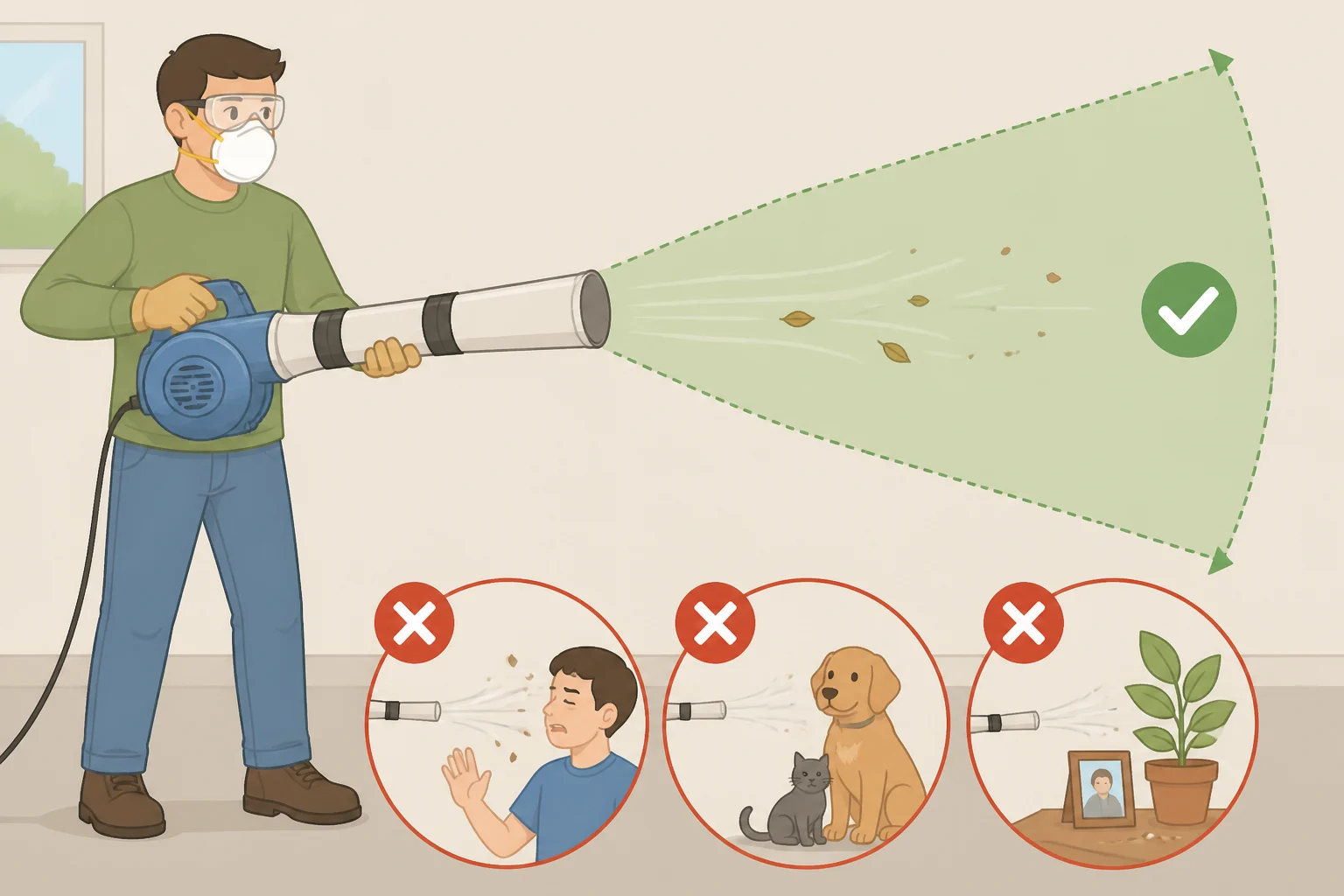
WIRED's write-up documents a single build, not a method tested across blower brands, nozzle types, or weather conditions. A few boundaries matter before a blower and a paint roller go anywhere near each other:
- Power the blower off completely before handling the nozzle or taping anything near it. There's no reason to work around a running motor.
- Check the owner's manual for any rule against attaching objects to the nozzle or housing. If the manual says not to, that settles it.
- Make sure the nozzle stays fully open once something is taped on. A nozzle that's bent, narrowed, or partly blocked won't move air the way the manufacturer designed it to.
- Never aim a blower, modified or not, at people, pets, vehicles, open flame, or property that isn't your own.
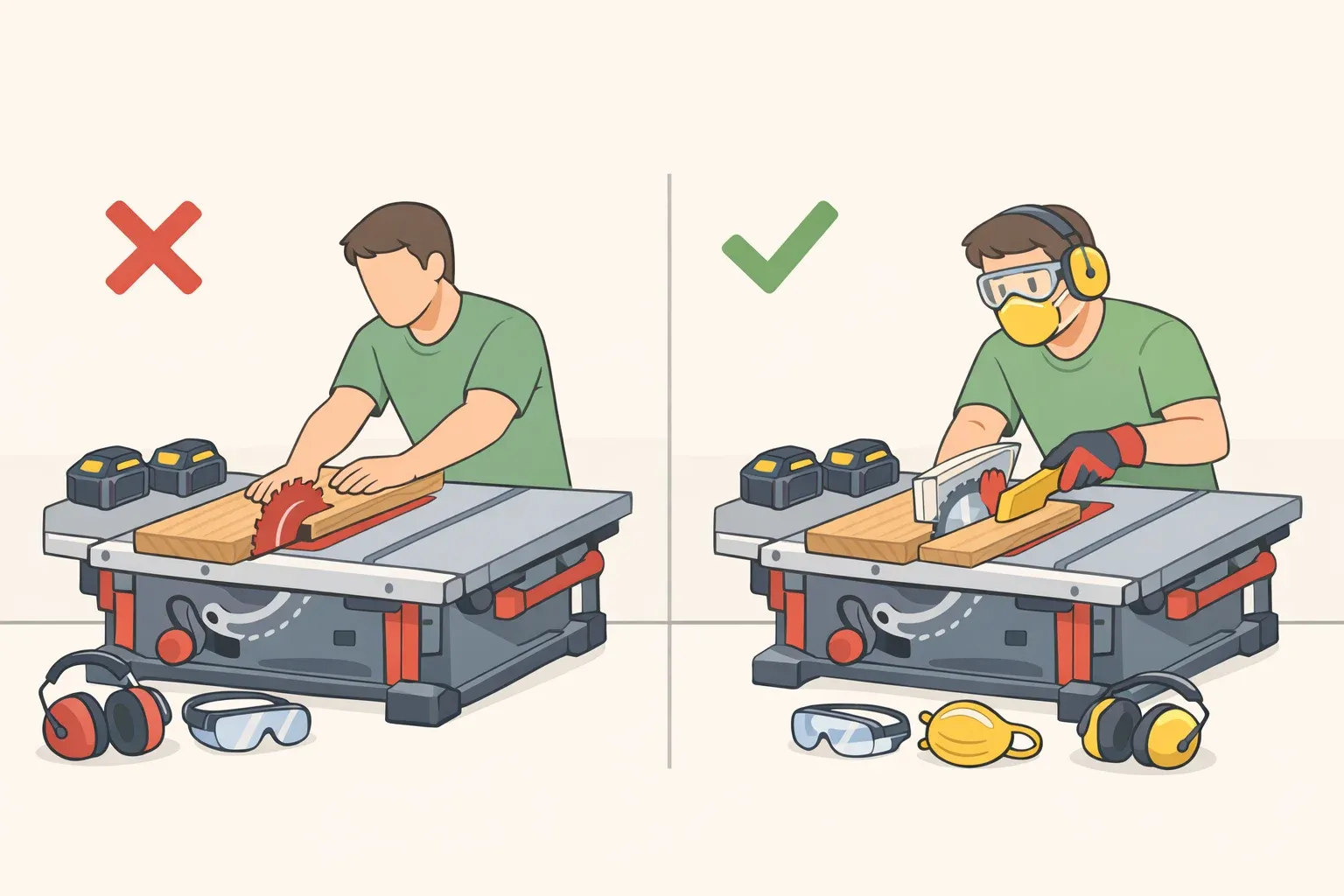
- Wear goggles and a dust mask whenever the blower is running. Consumer Reports recommends both because fine particulates can blow back toward the operator, especially in dry conditions.
- Check local noise rules before running a blower after dark. Consumer Reports notes some towns ban gas blowers outright for being louder than electric models, and in parts of California, all leaf blowers are banned regardless of how quiet they run.
If a roller or tape connection won't hold steady, or any of the boundaries above don't check out, the safer call is a non-powered decoration instead, like hand-hung streamers or a battery-operated prop.
Finishing up
Success, per WIRED's reporting, looks like a roll unspooling cleanly into open air with nothing and no one in its path. The build never touches the blower's battery, motor, or internal wiring, so once the tape and roller come off, the tool goes back to ordinary yard use.
Pick up any spent paper once the demonstration is done and follow local yard-waste rules for disposal. The blower's real value this fall is still clearing leaves: Consumer Reports' testing found top battery handhelds now outperform gas models on power, with runtimes of roughly 8 to 30 minutes per charge depending on the model. The paper cannon is a documented one-off from WIRED, worth reading about and weighing carefully, not a verified weekend project to copy outright.


Comments
Be the first, drop a comment!