



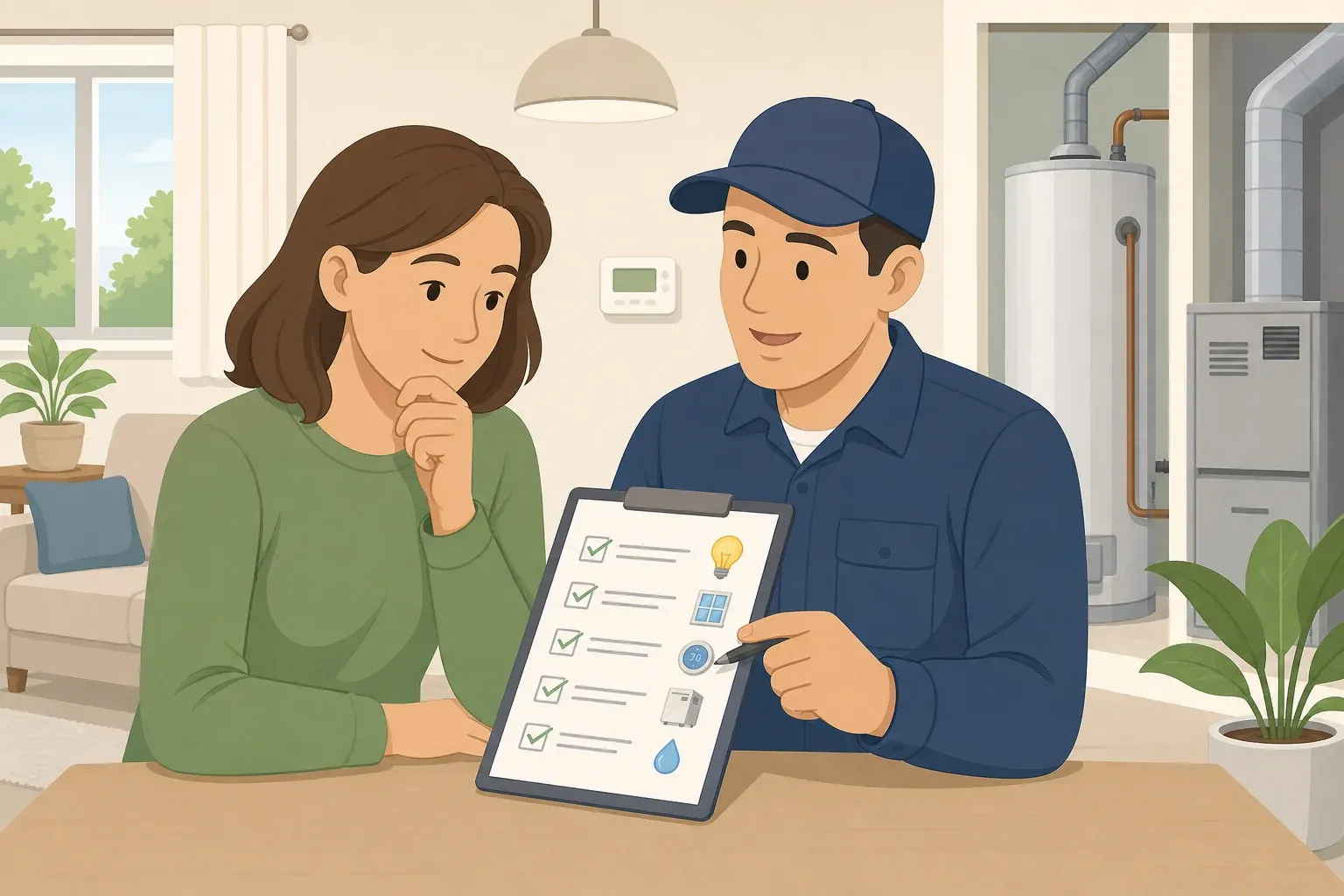
Before you buy a heat pump, replace windows, or pay someone to blow insulation into your attic, find out whether your utility offers a free home energy audit. Some utility and state programs offer a no-cost home energy assessment, sometimes run directly, sometimes through a state program. The visit can help you avoid choosing an upgrade before you know what your home actually needs. Availability and cost vary by location, so this is a step to check, not something every household automatically gets.
The Department of Energy (DOE) notes that a home energy assessment can help determine the best path for upgrades before you spend money on new equipment. New York's Comfort Home program shows what a no-cost version looks like in practice: a free consultation and in-home assessment from a trained contractor, part of a state program rather than something every state offers. One important change for 2026 is that the federal home energy audit tax credit is no longer available for new audits. The previous credit covered 30% of qualifying costs, up to $150, but expired after Dec. 31, 2025.
This guide walks through finding a utility home energy audit, what to ask before and during the visit, and how to check a recommended upgrade against actual rebate rules before you sign anything. No tools required, and you can do the initial legwork in an afternoon. The important part is confirming eligibility and approval requirements before money changes hands.
What a home energy audit actually does for you
A home energy audit is a planning tool, not a free upgrade. DOE's guidance frames the point as helping you figure out the best path forward before spending on equipment. In practice, that may mean written recommendations and some direction on which programs apply to your home, but ask the provider directly whether you'll receive anything in writing.
It doesn't hand you a rebate check, and any dollar figure only becomes real once you check it against an active, funded program.
That's the part worth asking for upfront: a prioritized assessment plus information on what you might qualify for. Whether you actually receive a rebate is a separate step that still needs verification with the program itself.
Utility programs aren't the only free option worth checking. ENERGY STAR highlights project-planning services like QuitCarbon, noting they help homeowners map out a project, figure out which rebates might apply, and get connected with local contractors at no cost. These aren't utility programs, but they're a reasonable second path if your utility comes up empty.
New York's Comfort Home program pairs its free assessment with a trained contractor who provides personalized recommendations for that household. It's a useful model for what a solid visit should produce, even if your state runs something different.
What to gather before requesting a free home energy audit from your utility company
Gather this before you pick up the phone or open a scheduling page:
Twelve months of utility bills if you can get them, so the assessor can see your usage patterns.
Your homeowner or renter status.
A rough sense of household income. Many programs sort eligibility into income tiers.
Your utility account number and the name on the account.
Income matters more than people expect. New York's EmPower+ program, for example, uses income thresholds to determine eligibility and the level of financial assistance available. That's one state's structure, not a national rule. Ask your own program how income tiers affect the percentage of cost covered, since that pattern isn't guaranteed to hold everywhere.
DOE notes that rebates for efficiency and appliance upgrades are managed at the state, territorial, or Tribal level. You'll need to check the local program rules rather than assume what's available elsewhere applies to you.
If you rent, don't assume anything. Before scheduling, find out whether your landlord needs to give written consent, whether the account holder has to be present for the visit, and who legally receives any rebate money. These answers differ by program, and guessing wrong can cost you the appointment.
Ask about cost before you book: whether the visit itself is free, whether a fee applies, or whether the utility only rebates the equipment you buy afterward rather than the assessment itself.
How to find a free energy audit near me
Pull up your utility's website or a recent paper bill. Look for a page labeled "energy efficiency," "home energy assessment," "weatherization," or "efficiency rebates." Some utilities link this from the account dashboard or a "ways to save" tab, so check there if a search doesn't turn it up.
Check your state energy office or program portal. New York residents, for instance, can use the MyEnergy portal to explore available programs before booking anything. Some states provide a comparable portal; if yours doesn't, search for your state's energy office and home upgrade programs directly.
Enter your ZIP code into the ENERGY STAR Rebate Finder. It surfaces rebates and special offers on certified products in your area. The ENERGY STAR Rebate Finder is a good cross-check even after you've found your utility's own page. It isn't a comprehensive directory of free audits, so use it alongside local program listings.
If cost is tight, ask about income-qualified help. DOE's Weatherization Assistance Program, run through state and local agencies, has helped more than 7.2 million families since 1976. The Low Income Home Energy Assistance Program (LIHEAP), administered through Health and Human Services, can also help eligible households with energy bills, crisis assistance, weatherization, and minor related repairs. Ask your utility or state energy office whether you'd be routed to either program.
Call or book online, and get answers to these questions before you confirm:
Is the visit actually free, or is there a service fee?
Is this an energy audit, or a sales visit for a specific product?
Will you get a written report afterward?
Is income documentation required, and if so, what counts as proof?
Does a rebate require a program-approved contractor to do the work?
Is approval needed before you sign a contract or buy equipment?
Ask who the assessor represents. Confirm whether they're affiliated with the utility, a state program, or a contractor that also sells upgrade work, so you know what kind of recommendation you're getting.
When you've finished this, you should have either a scheduled visit or a clear understanding of whether you qualify for a free one, plus answers to the questions above. Keep those answers in writing when possible. You'll need them later.
Questions to ask before the assessor arrives
Audit scope differs by provider, so don't assume insulation, air leaks, ductwork, appliances, and electrical capacity are automatically included. Ask directly:
Which rooms, systems, or measurements does the visit cover?
Will I receive a written report afterward, and how soon?
Are savings estimates modeled for my home, or just a general approximation?
Will you tell me which programs I might be eligible for, or only recommend work without naming a program?
Is this a neutral assessment, or does it include a contractor quote or a separate sales appointment?
If the provider won't answer these clearly, consider contacting a different program before you book the visit, not after.
What to request when the assessor leaves
Before the assessor leaves, ask for:
A written, prioritized list of recommended upgrades.
Estimated savings, if the program calculates them.
The specific program name tied to each recommendation.
Whether you've been determined eligible, and for which tier.
A list of approved contractors, if the program requires using one.
Any preapproval steps you need to complete before starting work.
Save everything the assessor gives you in writing. Save the program's written approval before work begins, too, once you get it. That piece matters most once you start comparing the report against actual rebate programs.
Matching your audit report to home energy audit rebates and tax credits
Treat the written report as a list to verify line by line against an active, funded program, not as proof you already qualify for a dollar figure. This is where home energy audit rebates actually get confirmed or denied, not at the moment the assessor hands you the report.
Because programs are administered locally, confirm the current terms with your state portal or utility before relying on a number you found online.
New York's Comfort Home program is a useful illustration of scale. Its published incentive schedule lists $2,500 for a qualifying basic air-sealing and insulation package, $3,000 for a more extensive package, and a $2,000 incentive for eligible ENERGY STAR window upgrades after qualifying insulation work.
These are package-based incentives, not automatic payments for individual improvements. The home must meet the requirements of the selected package, and program eligibility still applies.
Income-qualified households may also be eligible for assistance through EmPower+, which can cover a substantial portion of qualifying work. Check the current New York program rules for income thresholds, covered improvements, and any project limits.
Federal incentives need a separate check. The former Energy Efficient Home Improvement Credit included a credit for qualifying home energy audits, but the IRS confirms that it applied only through Dec. 31, 2025. It is not available for a new audit performed in 2026.
Likewise, older ENERGY STAR guidance described federal home energy rebates potentially reaching $14,000 for eligible electric upgrades. That figure refers to the design of federal rebate programs, not a guaranteed payment to every household. Actual availability, eligible equipment, funding, and award amounts depend on the state or Tribal program administering the incentives.
Before you request a single quote, build a short checklist for each recommended upgrade:
Program name and administrator
Eligible upgrade or exact equipment requirement
Income tier, if applicable
Maximum rebate or percentage
Approved-contractor requirement
Preapproval requirement
Application deadline
Documents to save
Fill this out before you call a contractor for an estimate. It becomes your reference when checking utility energy efficiency rebates against what a contractor quotes you, so you're not guessing mid-conversation about what's actually covered.
Confirm one more thing in writing before you move forward: whether preapproval is required and whether the program restricts you to specific contractors. Ask the program administrator directly, not just the contractor. If the program requires preapproval, starting work first may make the project ineligible.
If you are claiming an incentive for work completed in an earlier tax year, ask a qualified tax professional how the applicable tax rules and rebates interact. Don't assume a credit that existed in 2025 remains available for new expenses in 2026.
When the standard path doesn't apply
No free audit offered by your utility. Ask whether a state program, local government, or nonprofit offers a no-cost assessment. You can also compare paid assessments, but don't count on the expired federal home energy audit tax credit to offset a new audit in 2026.
No active utility program at all. Check your state energy office, a local weatherization agency, or LIHEAP, which helps eligible lower-income households with energy bills, crisis assistance, weatherization, and minor related repairs.
You're a renter. Go back to the renter questions in "What to gather before requesting a free home energy audit from your utility company" before scheduling anything. The same consent and payee rules apply whether you're booking a visit or trying to claim a rebate afterward.
The assessor gives you recommendations without naming a program. Ask directly which program each recommendation ties to before you treat it as rebate-eligible. A suggestion without a program name attached is just a suggestion, not a verified path to money back.
The provider won't give you a written report. Ask again before the visit ends. If they still won't provide one, treat whatever you heard as informal guidance rather than documentation, and consider contacting your state energy office for a program that puts recommendations in writing.
Dollar amounts you find online look dated. Treat older program figures, including anything dated 2023 or 2024, as historical reference rather than current fact. Because these programs are administered locally, confirm the current terms with your state portal or utility before counting on a number you found elsewhere.
What success looks like, and what to do next
You're done with this stage once you've completed or scheduled an assessment, received written recommendations if the program provides them, and confirmed whether at least one recommendation is currently eligible for a rebate or other assistance. That confirmation should come from the program administrator, not from a contractor's estimate or something you read on a forum.
For context on potential payoff, DOE's national evaluation of the Weatherization Assistance Program estimates average energy savings of $372 or more per year for participating households. That's a program-wide average, not a guarantee, so your own numbers may land higher or lower depending on your home's age, condition, climate, and energy use.
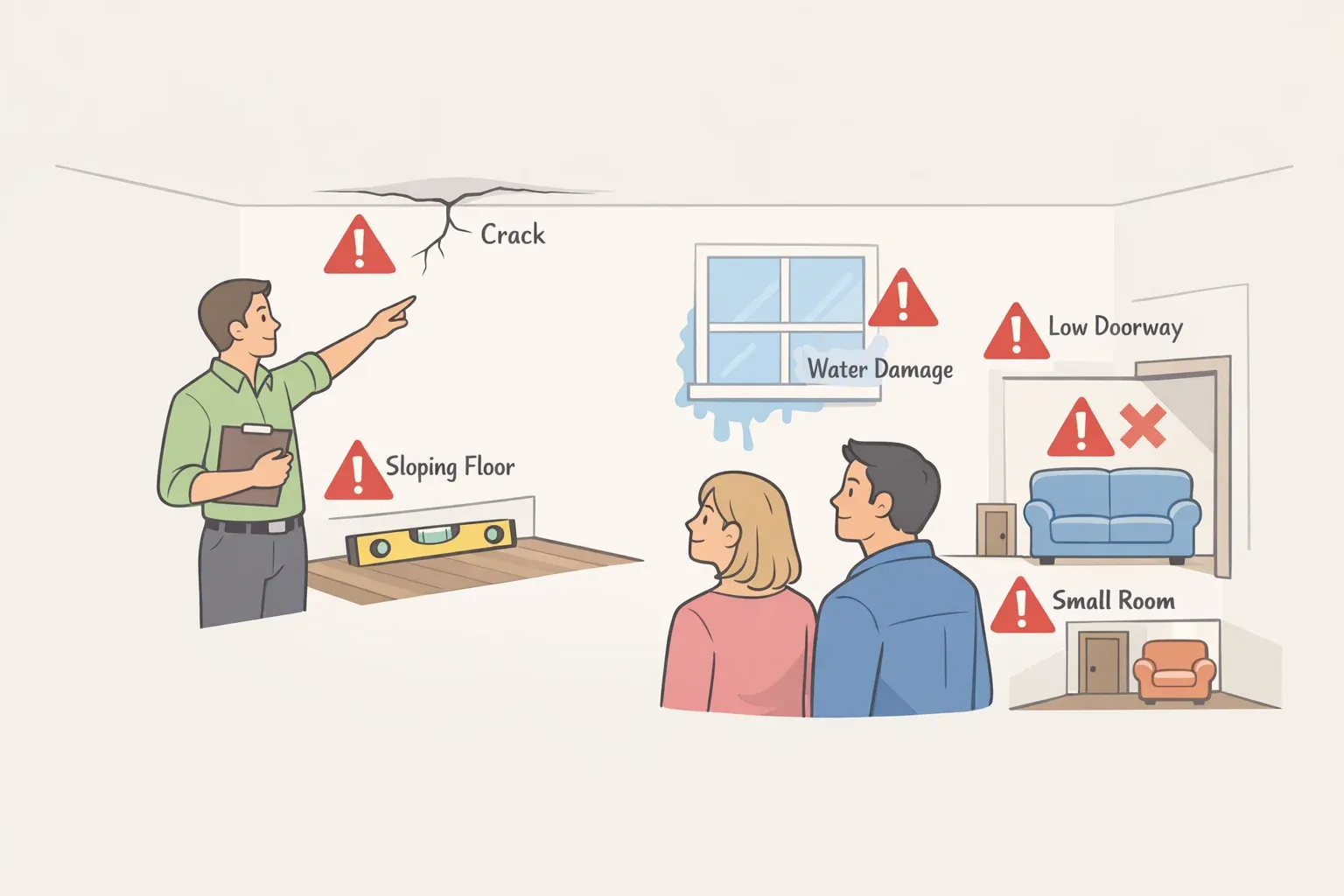
If the assessment flags electrical panel capacity, gas line concerns, or anything structural, that work belongs to an appropriately licensed professional, not a weekend project. Use the program's approved-contractor list if one exists, and confirm the rule on outside contractors before signing anyone.
Before you sign anything or buy equipment, run through this sequence:
Save the assessment report and eligibility decision.
Match one recommendation to a named, funded program.
Confirm the exact equipment or work qualifies under that program's rules.
Confirm the contractor and preapproval requirements.
Get any required approval in writing before signing a contract or starting work.
Start with the recommendation that best fits your home and has confirmed program eligibility, not simply whatever ranks highest on the report. Once that upgrade is locked in, move to the next item on the list.
Keep every written confirmation, the assessment report, the eligibility determination, and any preapproval email in one folder so you're not hunting for them later.

Comments
Be the first, drop a comment!