



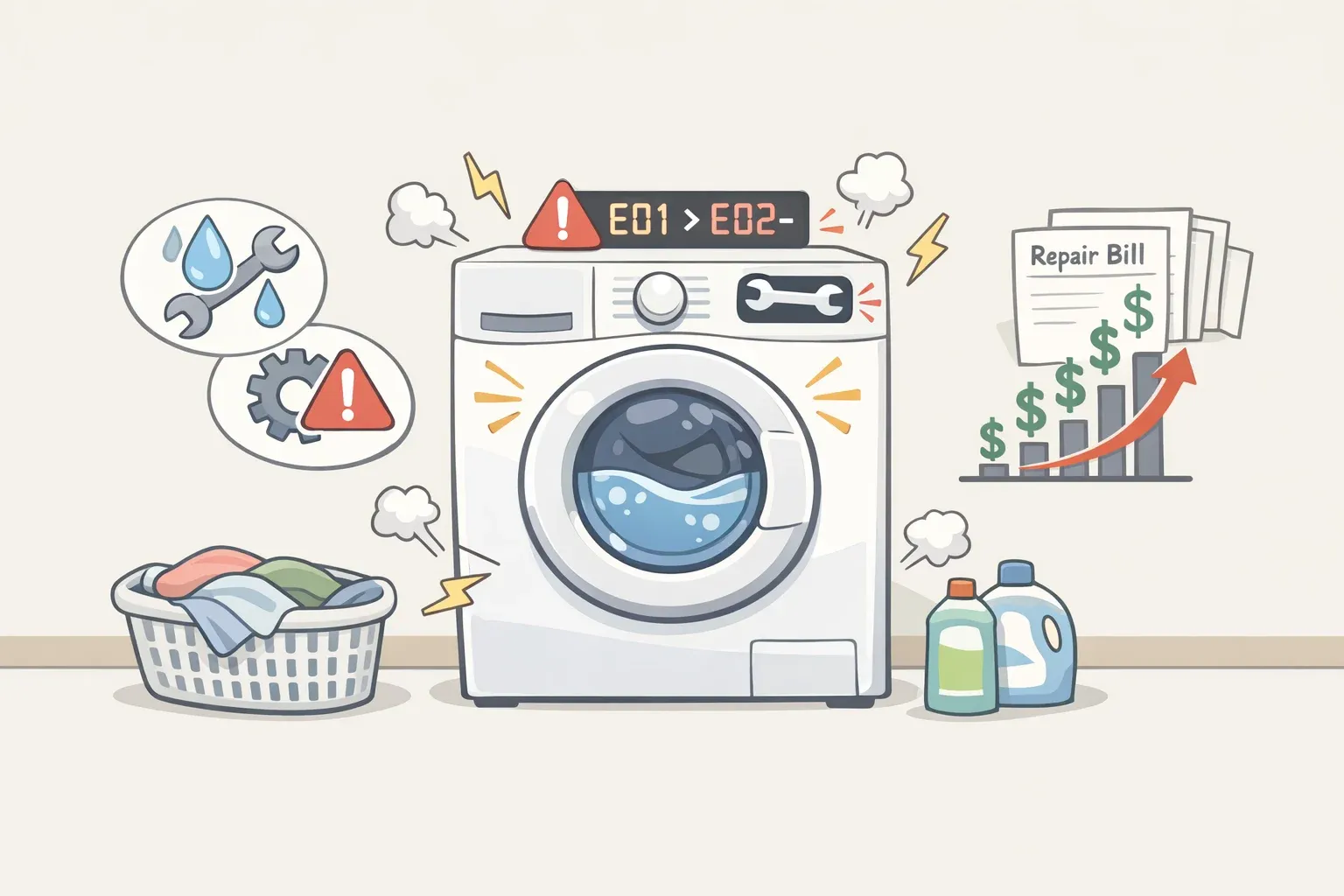
Most people replace a washing machine the day it stops working, not the day it starts failing. That's the wrong instinct. The real signs you need a new washing machine tend to show up weeks or months earlier, as a pattern rather than a single dramatic event: a strange noise that keeps returning, a repair bill that keeps climbing, a machine that used to be reliable and suddenly isn't.
The clearest replacement signal isn't any one symptom. It's a combination of age, a high repair estimate, and repeated breakdowns showing up together. That combination matters because washing machines fail less often than people assume.
In a Consumer Reports survey of more than 100,000 machines purchased between 2011 and 2021, about 20% broke or stopped working as intended over that decade-long span. And when a repair is needed, it's often cheaper than people expect: the median out-of-pocket cost is $155, not counting the separate $100 to $150 service call fee many technicians charge just to diagnose the problem.
This piece walks through the seven most reliable warning signs, explains why age alone is a weak predictor of failure, flags which symptoms point toward expensive structural problems, and lays out when repairing instead of replacing is genuinely the smarter financial move.
How long does a washing machine last? (Why age alone isn't the answer)
Most washers have a useful life of around 10 years on average, with a realistic planning range of roughly 5 to 15 years. That's a wide enough spread that treating age as a hard deadline doesn't hold up.
Major manufacturers say consumers can expect at least a decade of service, but real-world outcomes swing dramatically. Consumer Reports has heard from readers whose machines needed repair within three years, alongside others still running strong after 28 years. One reader, sticking with a 20-plus-year-old Frigidaire set serviced only twice, put it simply: "We will expire together."
Mid-life breakdowns are also rarer than the anxiety around them suggests. Only 14% of washers broke between years two and five of ownership in a Consumer Reports survey. That's a low enough figure that a washer struggling in year three deserves a real diagnosis, not a shrug that treats early failure as normal.
Lifespan depends on load size, water conditions, detergent habits, and repair history, which is why age works better as a mileage gauge than a hard expiration date. And age only becomes meaningful once it's paired with an actual failure: a reliable 11-year-old machine that's still doing its job every week isn't a candidate for replacement just because of the calendar. That's the rule to hold onto before diagnosing anything else.
Signs your washing machine is failing: the first three warning signals
Sign 1: Repairs are becoming recurring, not isolated. A second or third repair within a short window is one of the strongest replacement indicators, more telling than any single fix. Even "successful" repairs can be a warning sign in aggregate: 91% of professional repairs succeeded in Consumer Reports data, yet 19% still needed a follow-up visit. A machine that keeps needing "one more fix" is telling you something the invoice doesn't.
Sign 2: The repair estimate is disproportionate to the machine's value. Consumer Reports' own comparison shows how much the math depends on age and original cost. Replacing a seven-year-old $650 washer used seven times a week made financial sense, while repairing a three-year-old $1,000 washer was the smarter call. Some common repairs start eating into a meaningful share of a budget machine's price on their own: drainage repairs run a median of $195, and control-panel repairs $173.
Sign 3: It leaks from the tub, a major seal, or shows rust and structural wear. Leaks from the tub or a major internal seal, along with rust spreading around the cabinet or suspension area, point toward replacement rather than repair. A leak isn't just an inconvenience to mop up. Consumer Reports lists water leaks and drum damage among the common problems its members report, distinct from smaller, fixable issues like a clogged drain pump.
Old washing machine warning signs: the next four signals (and which ones are actually fixable)
Sign 4: It repeatedly won't drain, spin, or finish a cycle. Repeated drain or spin failures, as opposed to a one-time clog, are listed among the core symptoms that lean toward replacement, but not every drain issue means the end. A clogged drain pump is a specific, identifiable problem on its own, and Consumer Reports treats it as a distinct issue from the kind of repeat failures that push a machine toward replacement.
Sign 5: It shakes violently or has severe bearing noise. This is one of the clearer cases where washing machine repair or replace decisions tilt hard toward replacement. Front-load drum bearing replacement requires largely disassembling the machine, according to Rich Handel, Consumer Reports' laundry expert: "If you need to replace the drum bearing for a front-load washer, it's complicated. You basically need to take the whole thing apart to get to it." Excessive vibration is also among the problems Consumer Reports members report, alongside severe bearing noise and noticeable basket play.
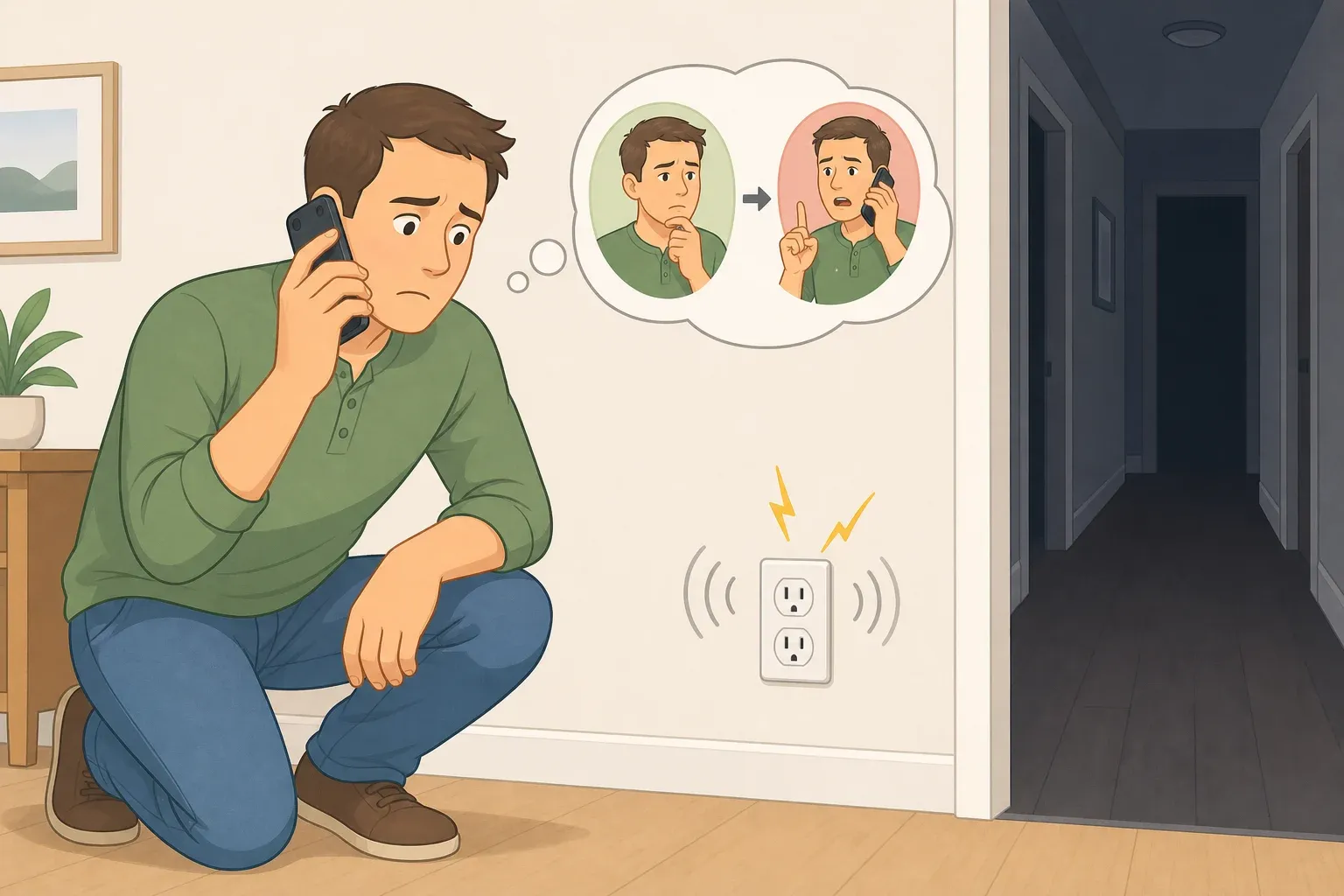
Sign 6: It trips breakers, smells like burning, or shows other electrical symptoms. Breaker trips, burning smells, or major electrical symptoms should stop the conversation before any repair-versus-replace decision gets made. These point to a safety risk, not routine wear, and need diagnosis first. If a control board problem shows up alongside other age-related wear, that combination compounds the case for replacement rather than a patchwork repair.
Sign 7: It no longer fits your household's capacity, noise, or efficiency needs. A washer doesn't have to be broken to be the wrong fit. Households washing a king-size comforter need at least 4.5 cubic feet of capacity, while Consumer Reports' ratings include models ranging from 1.9 to 5.8 cubic feet. Newer washers also use 70% less energy than 1990-era models, and the most water-efficient models in Consumer Reports' ratings use about 10 gallons per load, roughly 75% less than older machines. This one is worth flagging separately: it's a lifestyle upgrade decision, not a repair failure, and it shouldn't be confused with the mechanical signs above.
Should you repair or replace your washing machine? A decision framework
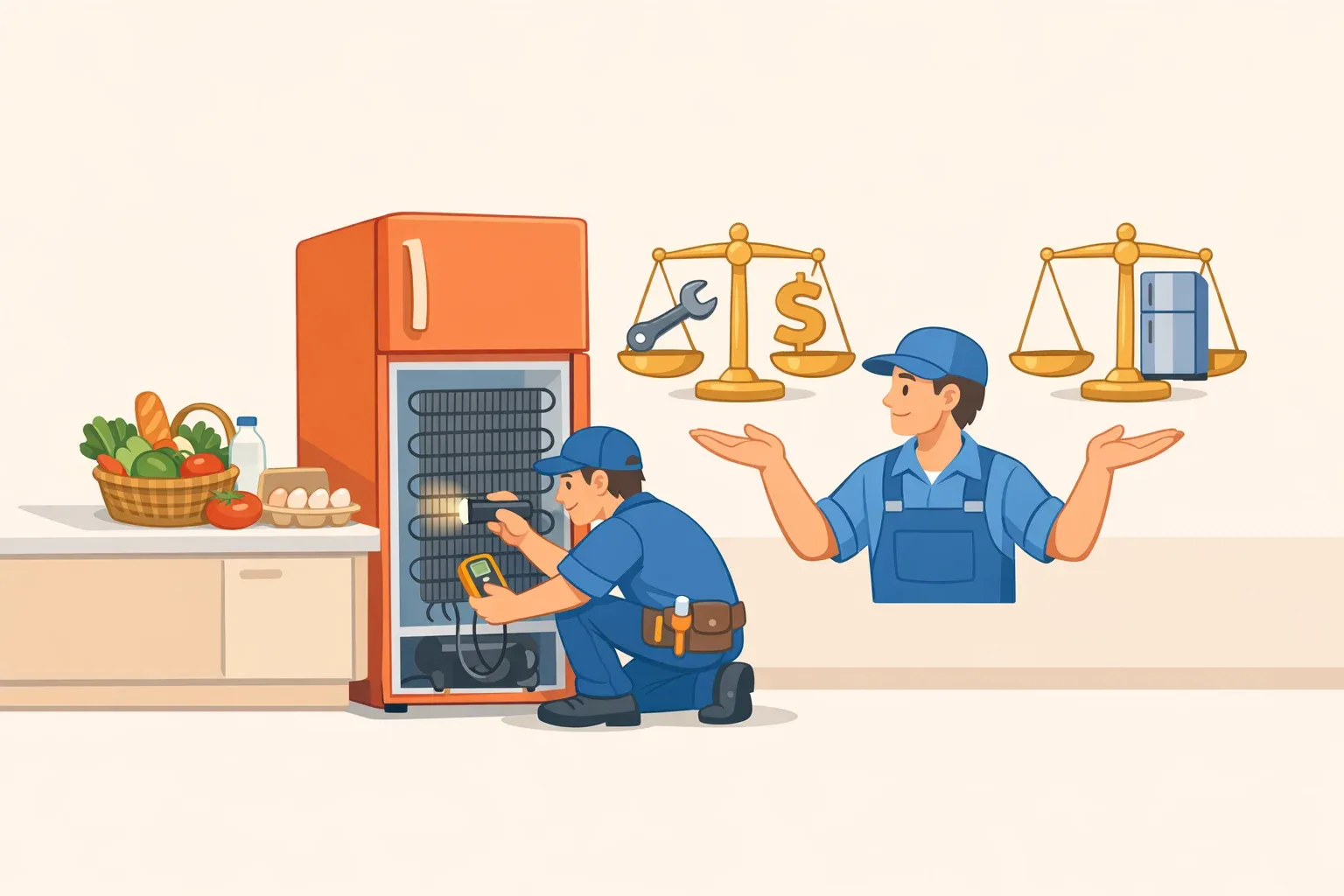
Repair typically makes sense when the machine is relatively young, the problem is a single common part like a door latch, drain pump, or sensor, the cabinet and drum are structurally sound, and the repair cost is clearly below replacement cost. That's a more common outcome than the fear of an endless repair spiral suggests.
Beyond that basic rule, a handful of specific questions tend to separate a good repair candidate from a machine that's done. Technicians working these calls every day tend to run through the same short list before recommending either path:
Current failure. What's actually wrong, and how severe is it? A tripped breaker is a different conversation than a clogged pump.
Service history. Is this the first repair, or one of several recent ones on the same machine? A pattern of repeat visits shifts the math even when any single repair looks affordable on its own.
Machine condition. Are the cabinet, tub, drum, bearings, motor, and controls still in good shape, or is wear showing up in more than one system at once?
Repair cost. Does the estimate make sense next to the price of a comparable replacement, or does it eat up most of that gap?
Part availability. Are the needed parts easy to get at a normal price, or discontinued, delayed, and unusually expensive?
Household fit. Does the machine still match the household's load size, usage, and reliability needs, separate from whatever happens to be broken right now?
None of these has a universal right answer, and that's the point. A modest repair on a machine that still has good years left is usually worth making, and a solid repair on a newer washer can buy several more reliable years of use.
The math changes once a machine is breaking down often, because the real cost of a failing appliance isn't just the invoice. It's wet laundry sitting in the drum, disrupted schedules, and repeat service calls stacking up week after week.
Two-thirds (67%) of Consumer Reports members who experienced a washer breakdown attempted a repair, and independent repair shops completed 53% of those jobs, generally with higher satisfaction than manufacturer or retailer service. It's also worth checking the paperwork before assuming a repair bill lands entirely out of pocket: 56% of washer repairs were at least partly covered under a manufacturer's or extended warranty.
Some of this can be avoided altogether with basic upkeep. Leveling the machine, using the correct amount of detergent, cleaning the dispenser drawer, and leaving the door or lid ajar between loads all help cut down on suds buildup, mold, mildew, and odor, which are among the most common complaints Consumer Reports hears from washer owners.
Conclusion
Knowing when to replace a washing machine rarely comes down to one symptom; it's the accumulation of factors already covered here, age, repeated repairs, a high estimate, structural or safety issues, that eventually tips the scales. Once it does, disposal is worth a thought too: 61% of Consumer Reports members say recycling an old machine responsibly matters to them, a reasonable factor to fold into the decision.
Before scheduling a repair or a delivery, get an actual estimate and weigh it against the machine's age, its original cost, and the size of that repair bill. Consumer Reports' own repair-or-replace comparison shows how differently the math plays out depending on those three numbers.
For anyone who lands on replacement, a current buying guide is the next stop, covering capacity, efficiency, and price-range comparisons before shopping.









Comments
Be the first, drop a comment!