



Ford CEO Says Cars Are Too Complex to Repair: What He's Missing
Ford CEO Jim Farley made a claim this week that is both accurate and convenient: modern vehicles are so complex that many home repairs are no longer safe without specialty tools and professional-grade equipment. He made it personal. He can tinker with a 1973 Bronco, he said in the Detroit Free Press, but a new one would "put people's lives at risk" if worked on without the right gear, per SlashGear. The comments landed Thursday in the middle of an active legislative debate over who controls the data your car generates every time you drive.
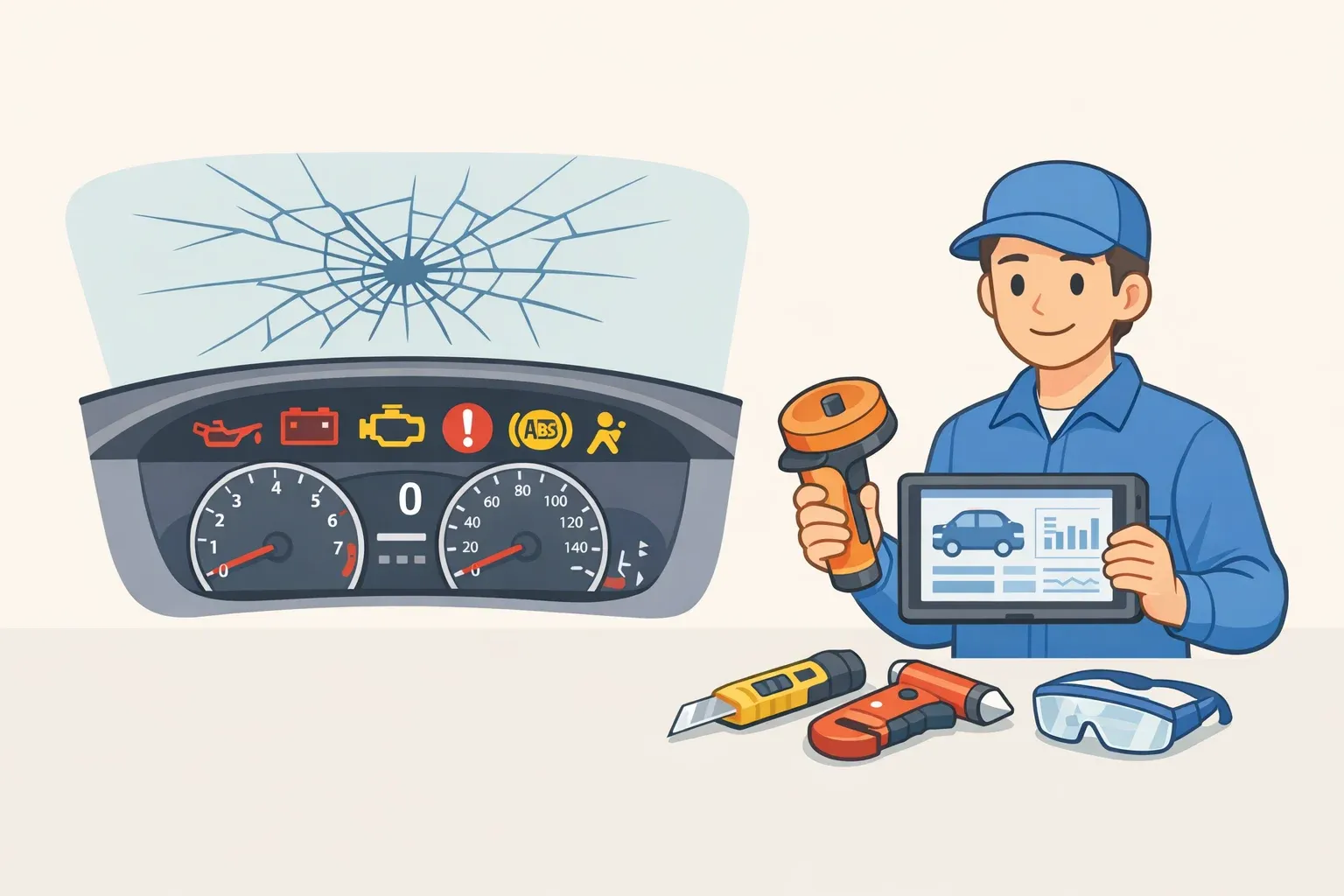
He's right about the complexity. A windshield that cost under $300 to fix a decade ago can now exceed $1,000 on a new vehicle, because the glass houses cameras feeding lane-keeping, automatic braking, and adaptive cruise systems that require recalibration after any replacement, per Car and Driver. Skip the recalibration, and those safety systems stop working as designed. That's a genuine engineering barrier, not a talking point.
The argument here is narrower and more uncomfortable: the complexity of modern repairs is real, and it does not justify what automakers are actually fighting to protect. Control over diagnostic data that increasingly flows first to manufacturers is a separate question from whether ADAS recalibration requires professional equipment. Conflating the two is the central move in the right-to-repair debate, and it suits one side considerably more than the other.
Why modern cars are hard to repair and why that's only half the story
Farley's safety argument has solid ground beneath it. Understanding exactly where that ground ends makes what follows clearer.
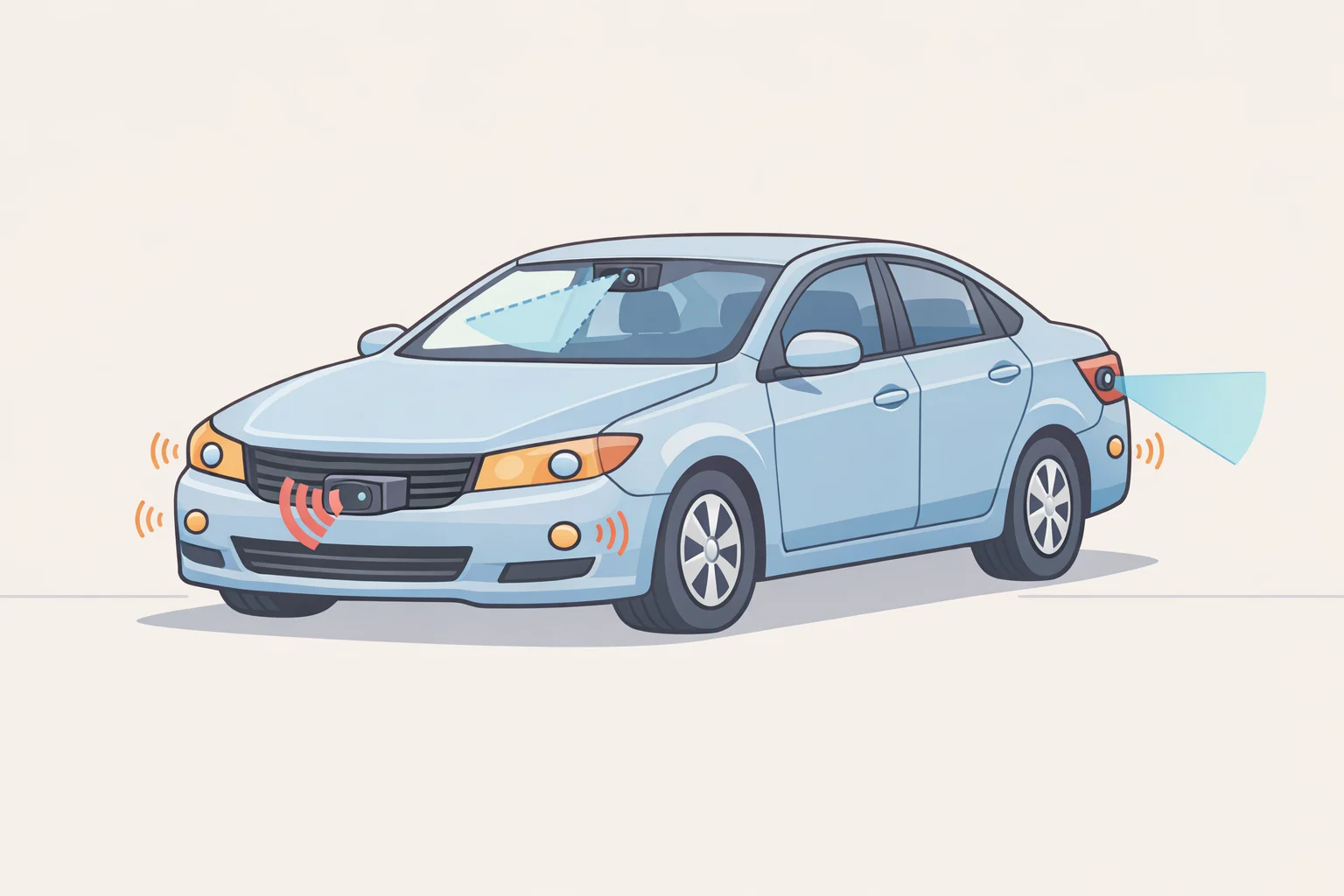
Advanced driver assistance systems have quietly embedded themselves into components that used to be purely mechanical. The plastic bumper fascia on a new truck conceals parking sensors and radar modules. Side mirrors contain cameras. A parking-lot tap that once meant a dented panel now potentially means sensor replacement and recalibration before safety systems function as designed. A 2023 AAA study found that ADAS components accounted for more than 70% of the total cost of a side mirror repair and roughly 41% of a minor rear-collision estimate on vehicles including the Ford F-150, Car and Driver reported earlier this month. A typical minor rear collision now runs around $1,700, and roughly 40% of that is sensors and recalibration rather than bodywork.
The downstream numbers confirm the direction. JD Power's 2025 Auto Claims Satisfaction Study found that total-loss declarations climbed from 16% of all claims in 2022 to 27% last year. Claims under $2,000 shrank from 33% of the total to just 20%. Vehicles with three or more ADAS features spend an average of 21.5 days in the shop per claim compared to 17.9 days for vehicles without nearly four extra days driven entirely by recalibration requirements.
Some repairs have crossed a line that a socket set and a YouTube tutorial cannot bridge. Anything touching cameras, radar modules, or forward-collision sensors on a vehicle with active safety systems now requires specialized calibration equipment and software access that sits well outside the DIY retail ecosystem. This isn't a skills gap so much as a tools-and-access problem that catches even capable mechanics off guard.
What remains within reach for most DIYers and independent shops: oil changes, brake pads, air filters, belts, and suspension components on older or simpler vehicles. The repair ecosystem hasn't closed entirely. It has divided into two tiers, and the upper tier is growing.
That division is the legitimate technical reality behind Farley's claim. It is also, largely, where the legitimate technical reality ends.
Where complexity ends and data control begins
The barriers described above are real. They are also not what the right-to-repair fight is primarily about.
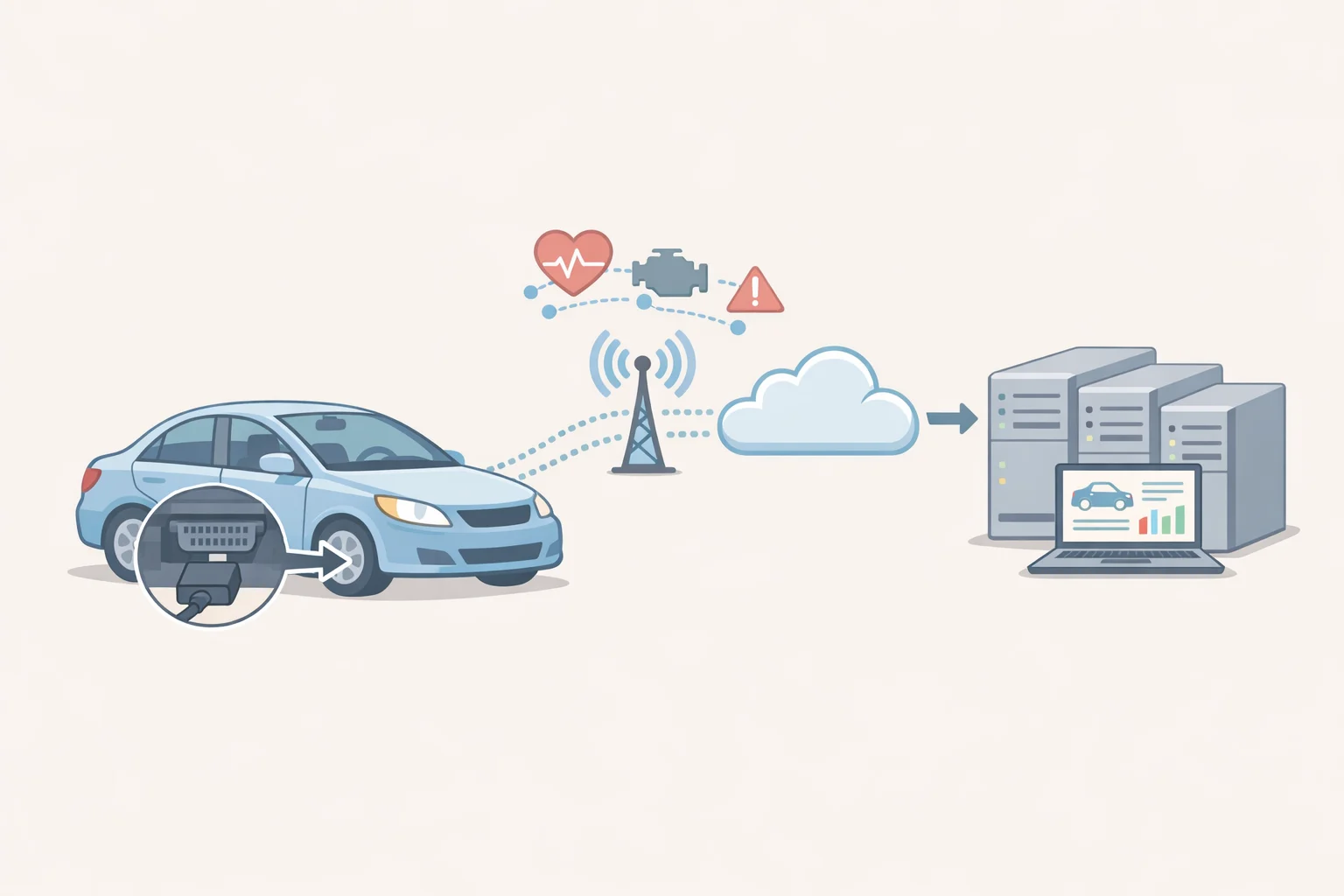
The central issue is diagnostic data: who gets access to the performance and fault information that modern connected vehicles continuously generate and transmit. The OBD-II port under your dashboard, the standard interface mechanics have used for decades to read fault codes, is no longer the whole story as a data pathway. The Automotive Content Association put it plainly, as Autoweek reported Wednesday: "Historically, OBD-2 ports have granted vehicle owners and technicians access to vehicle data to assist with maintenance and repair. However, in the digital age of the modern vehicle, maintenance and repair data is now transmitted wirelessly and sent directly and only to vehicle manufacturers." Anyone else gets access only if the manufacturer permits it, on terms the manufacturer sets.
The scale of this shift matters. McKinsey data cited by Autoweek estimates that 50% of cars in 2021 already had wireless transmission capability; by 2030, that figure is projected to reach 95% of all vehicles globally. The trajectory is clear.
The barrier facing independent shops is no longer only physical. A well-equipped garage can't complete certain repairs not because the technician lacks skill, but because the vehicle's data never reaches them. It goes to the manufacturer, who decides what to share and at what price.
It helps to separate the three distinct layers here. Physical repair access means whether a technician can reach the component and replace it. Calibration-tool access means whether the shop owns the specialized equipment to recalibrate ADAS after that replacement. Software and diagnostic-data access is something else entirely: whether the fault codes, telematics readings, and performance data the vehicle generates wirelessly are even available to a shop outside the dealer network. The first two are engineering constraints. The third is a policy choice, and it's the one that legislation targets.
The REPAIR Act (H.R. 1566/S. 1379) addresses this directly. Autoweek describes the bill's thrust as requiring that independent garages and vehicle owners receive dealer-level access to the critical performance data produced by today's connected cars. Automakers' preferred alternative is a voluntary, non-binding data-sharing agreement that already exists and carries no enforcement mechanism. It functions, predictably, at the discretion of the parties doing the sharing.
None of this concerns whether ADAS recalibration is dangerous to perform without training. The legislation doesn't argue otherwise. The safety complexity of certain repairs and the question of who controls diagnostic data are separate problems that have been allowed to merge in public debate.
The business case behind the safety argument

Understanding why automakers oppose data-sharing legislation requires only one number: service operations can account for up to 50% of gross profit for dealers and the broader network around them. That is not a peripheral incentive. It is a major profit center that right-to-repair legislation would directly disrupt.
The guest list at the recent White House meeting on this issue is telling. Roger Penske attended alongside representatives from Ford and GM. Penske doesn't manufacture vehicles; his Penske Automotive Group operates more than 350 retail and service locations. The financial stakes in that room extended well beyond abstract safety concerns.
Farley's own framing repays careful reading. Ford supports repair, he said "just not for warranty work." That carve-out is specific and meaningful: warranty repairs are performed at Ford dealerships and paid for by Ford. Farley did not explain how Ford distinguishes warranty from non-warranty repairs in practice, which is a material detail for any owner weighing whether to take their car to an independent garage.
This is not an argument that Farley's safety concerns are fabricated. ADAS recalibration genuinely requires professional equipment and expertise, and the data behind that claim holds up. The more precise framing is that the safety rationale is real in specific repair categories and is being applied, selectively, to a policy debate that extends well beyond those categories. Restricting diagnostic data access doesn't make ADAS calibration safer. It helps protect dealer service revenue.
Public opinion has not missed this distinction. The REPAIR Act draws support from 85% of Trump voters and 86% of Democratic voters, with agreement rising to 99% on whether people should be able to choose their own repair shop and 88% on whether they should have access to their own vehicle's data. Legislation rarely polls at those levels across partisan lines. Automakers apparently felt it necessary to make their case in the Oval Office rather than on a congressional scorecard.
What's actually at stake
Three things are true at once, and the right-to-repair debate goes sideways when any of them gets dropped.
First, modern vehicles are genuinely harder to service than their predecessors. The $1,700 minor rear collision. The windshield that went from under $300 to over $1,000 because of cameras behind the glass. The 21.5 days in the shop versus 17.9. Those numbers are real, and they reflect engineering decisions that carry legitimate safety implications for anyone attempting certain repairs without proper equipment.
Second, the data restrictions automakers are defending carry no meaningful safety rationale. Withholding fault codes and telematics from independent shops doesn't make ADAS calibration safer; it makes that calibration harder to perform anywhere except a dealership. The ACA's description of manufacturers as "gatekeepers" who control who accesses vehicle data and at what cost reflects a policy choice, not a technical necessity.
Third, the implications for ordinary owners will compound over time. If the REPAIR Act passes, a well-equipped independent shop would have the same diagnostic access as a dealer, which means more competition and pressure on repair pricing. If the voluntary data-sharing status quo holds, the growing share of repairs requiring software-based diagnostics will remain clustered at dealerships. As connected vehicles approach near-universal adoption by 2030, that concentration will deepen. Routine diagnostics that today still flow through an OBD-II port will increasingly travel wirelessly to a manufacturer's server first and the question of who can access that data will matter for repairs that have nothing to do with ADAS calibration.
The question of which repairs are safe to do at home is worth taking seriously. The answer to it, however, does not tell you who should control the data your car generates every time you drive.





Comments
Be the first, drop a comment!