



3-Minute Rule for Air Conditioners: Protection vs. Problem
If you searched for the 3-minute rule for air conditioners expecting to learn how long your AC should run, the answer is the opposite of what you might expect. The rule isn't a cooling-cycle target. It's a built-in protection delay that prevents the compressor from restarting too soon after shutting off. Running for only three minutes is generally a sign something is wrong; waiting three minutes before restarting is often a sign everything is working correctly.
Confusion between those two things a normal protection pause and an abnormally short cooling cycle is where most questions about this rule come from. This article explains the difference, what a healthy cycle actually looks like, and how to tell whether your system needs attention or is simply doing its job.
The stakes are worth understanding. Compressor startup is the single most electrically and mechanically demanding moment in the cooling cycle, drawing several times the normal operating current what engineers call locked rotor amps (Inlet Mechanical). Every unnecessary restart adds wear to the motor windings, start capacitor, and contactor (Inlet Mechanical). The 3-minute rule exists specifically to limit how often that happens.
What the 3-minute rule is: a built-in compressor protection delay
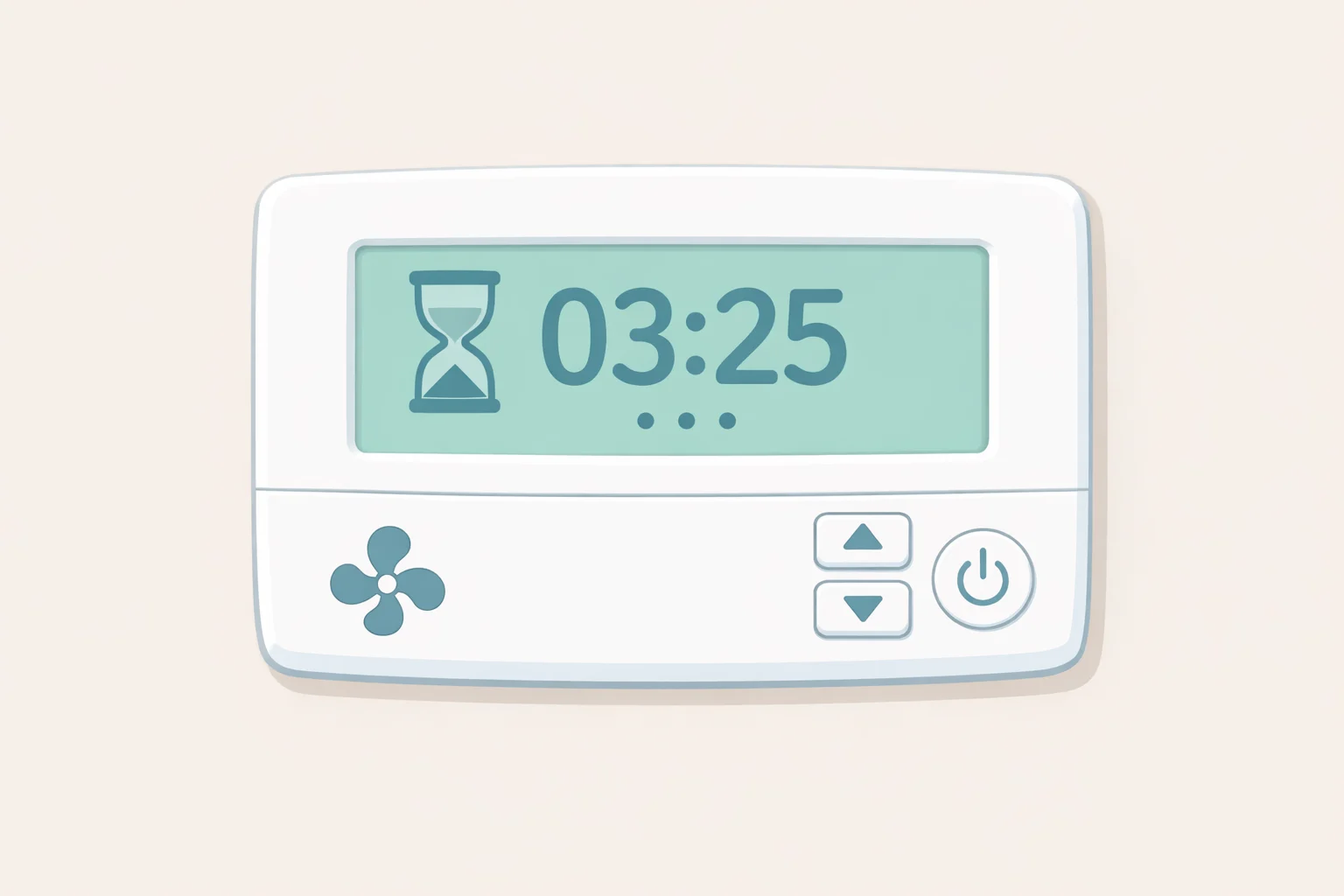
The 3-minute rule refers to a minimum timing window built into residential AC systems to prevent short cycling damage. It shows up in two related forms: a restart delay (how long the system waits before allowing the compressor to start again after shutdown) and a minimum run time (how long it must stay on once it starts). CIAC service documentation lists "three minutes delay at restart for compressor" as an explicitly named protection function which signals this is manufacturer-level engineering, not informal guidance (ManualsLib / CIAC service manual).
Many modern thermostats and outdoor control boards enforce this protection automatically, either through firmware or a dedicated time delay relay (VIOX Electric). For residential systems in the 1–5 ton range, the typical setting runs 3–5 minutes (VIOX Electric). According to VIOX Electric, compressor manufacturers including Copeland, Carrier, and Trane publish minimum timing requirements along these lines, with Copeland specifically requiring a 3-minute minimum run time for scroll compressors.
Here's how it works in practice. The thermostat calls for cooling; the compressor starts immediately. When the thermostat is satisfied, a timer begins, but the compressor may keep running through a brief extension before it stops. If the thermostat calls again before the delay window clears, the system holds the compressor off until the countdown finishes. The delay helps avoid restarts before pressures have had time to equalize which is exactly the point (VIOX Electric).
Think of it like a car engine that's just been switched off. You can restart it immediately, but doing so repeatedly before oil pressure and temperatures stabilize wears the engine faster. The 3-minute rule is the HVAC equivalent of giving the engine a moment to settle before asking it to work again.
Why does my AC turn on and off every few minutes?
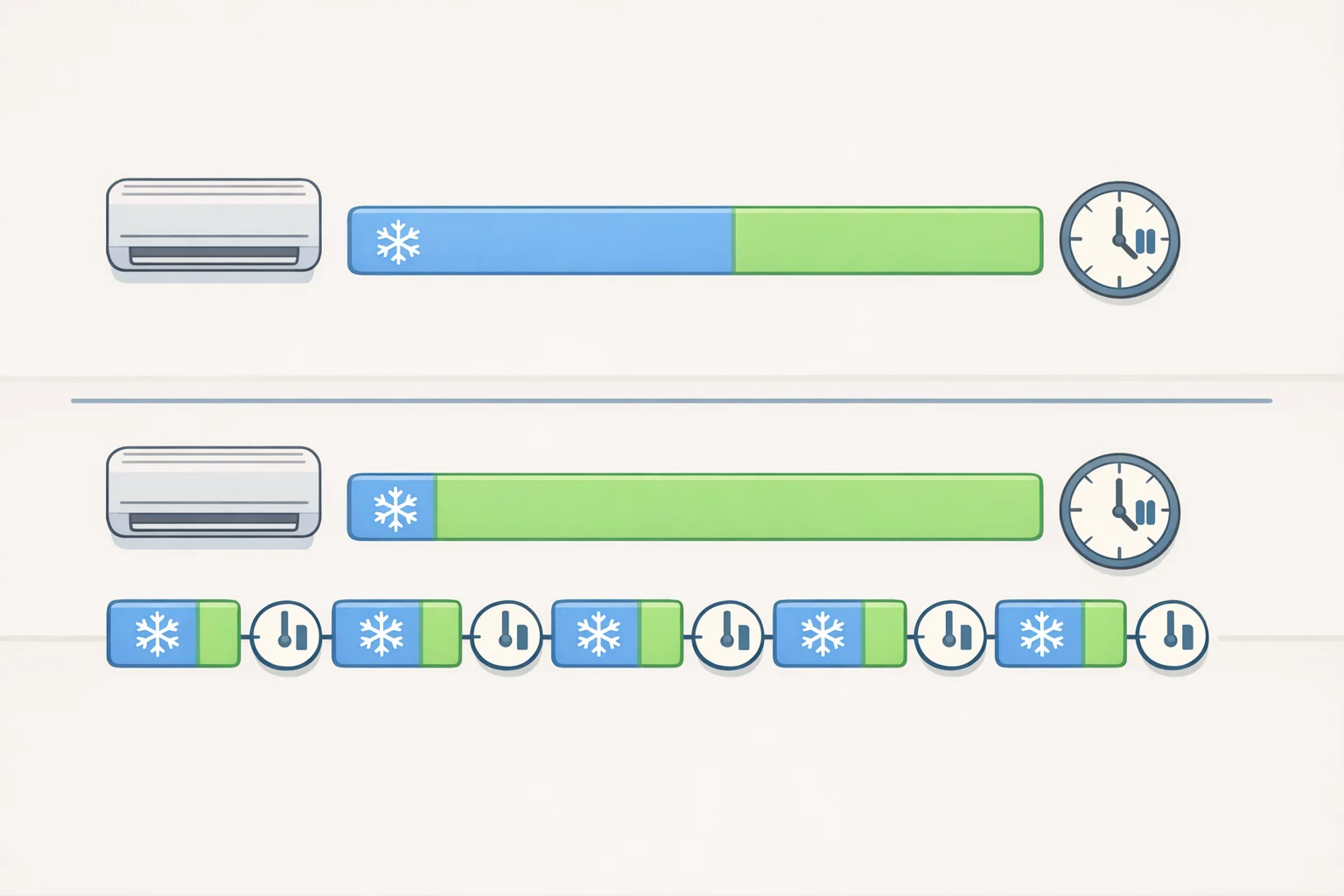
If your system is shutting off and restarting on a short, repetitive loop, you're looking at one of two very different things. Getting them straight is the whole ballgame.
What each pattern means:
- Runs 15–20 minutes, then rests: normal operation (Inlet Mechanical)
- Shuts off, thermostat shows a "wait" countdown for 3–5 minutes: the protection delay is active; the system is functioning correctly (VIOX Electric)
- Runs only a few minutes, shuts off, repeats all afternoon: AC short cycling a problem worth addressing
- Runs continuously on a very hot day: can be normal if the house is still cooling toward the setpoint (Inlet Mechanical)
How long should an AC cooling cycle last? Under normal conditions, roughly 10 to 20 minutes, long enough to lower air temperature and pull moisture out of it (Lennox). Bryant and Inlet Mechanical put the healthy range at 15 to 20 minutes or longer depending on outdoor temperature and how far the indoor temperature sits from the setpoint (Bryant; Inlet Mechanical). On a brutal afternoon, longer runs are entirely normal.
Short cycling running only a few minutes at a stretch, then repeating fails on both fronts. The air doesn't cool to the target temperature, and humidity stays elevated because the coil never runs long enough to condense and drain moisture effectively (Inlet Mechanical). A house that feels cool but clammy is a common result. It also drives up energy bills: since startup is the most power-intensive phase of operation, frequent restarts burn more electricity than two full, efficient cycles would (Lennox).
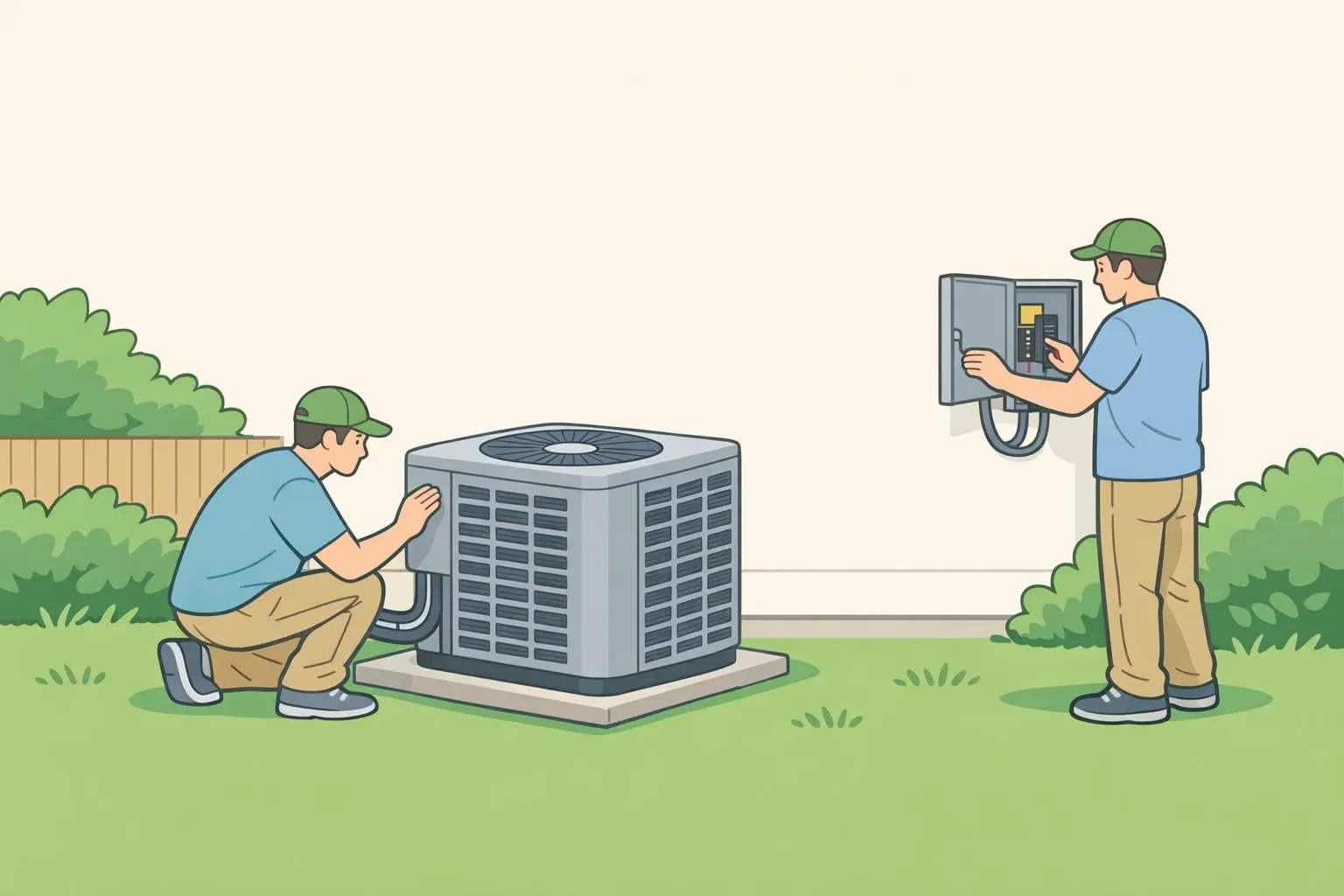
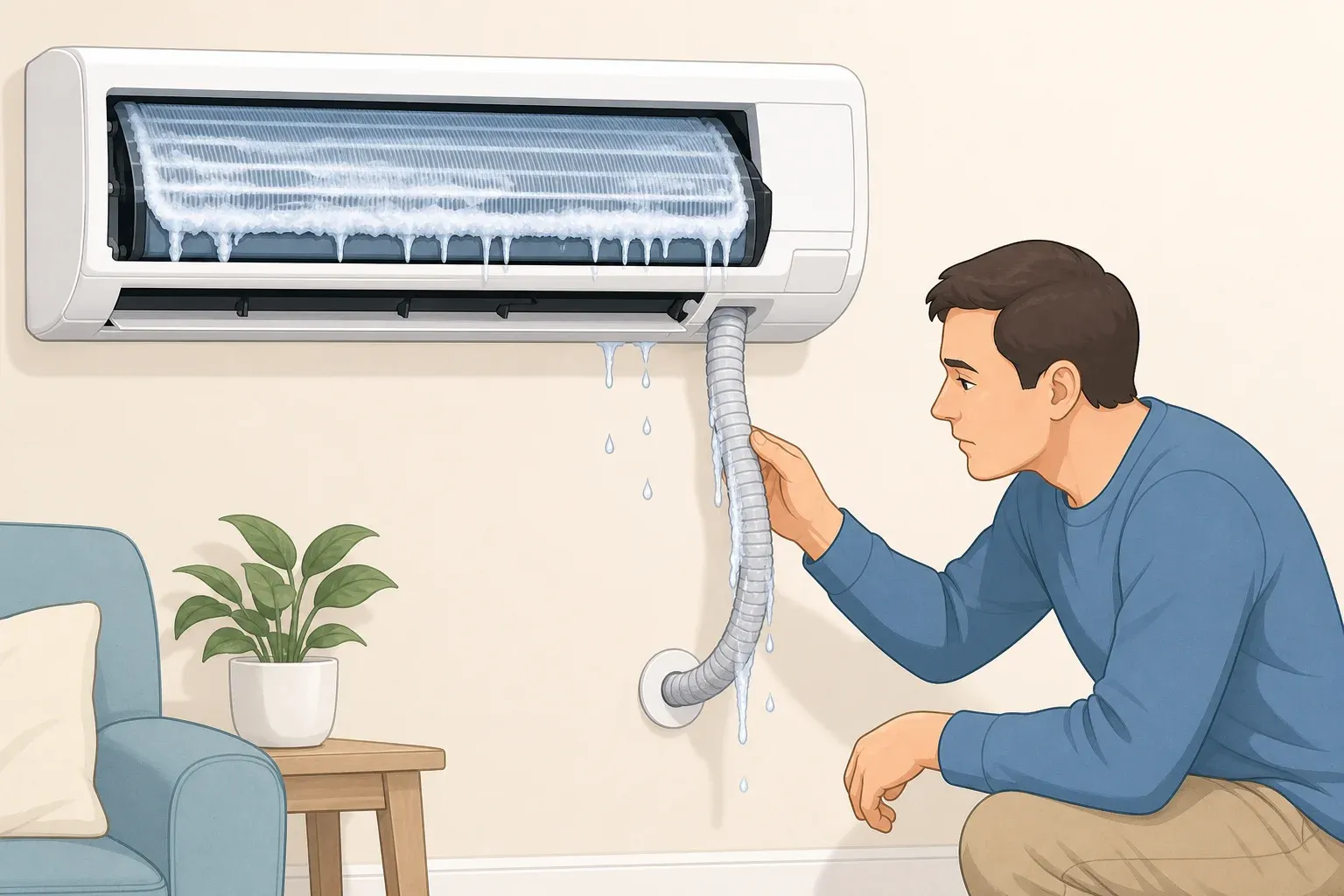
Before calling anyone, note the following: the approximate run length per cycle; whether the thermostat display shows a "wait" or delay countdown; whether ice is visible on the refrigerant lines or indoor coil; whether the house feels unusually humid despite the system running; and whether the pattern started after a power interruption or a thermostat change. That information narrows the cause considerably and is worth having ready if a technician gets involved.
What causes short cycling, and what can homeowners do about it
Start here no tools required
Check the thermostat display first. If it shows a countdown or a "wait" indicator, the anti-short-cycle delay is active and the system is functioning normally (VIOX Electric). This is the check most homeowners skip, and it's worth doing before anything else.
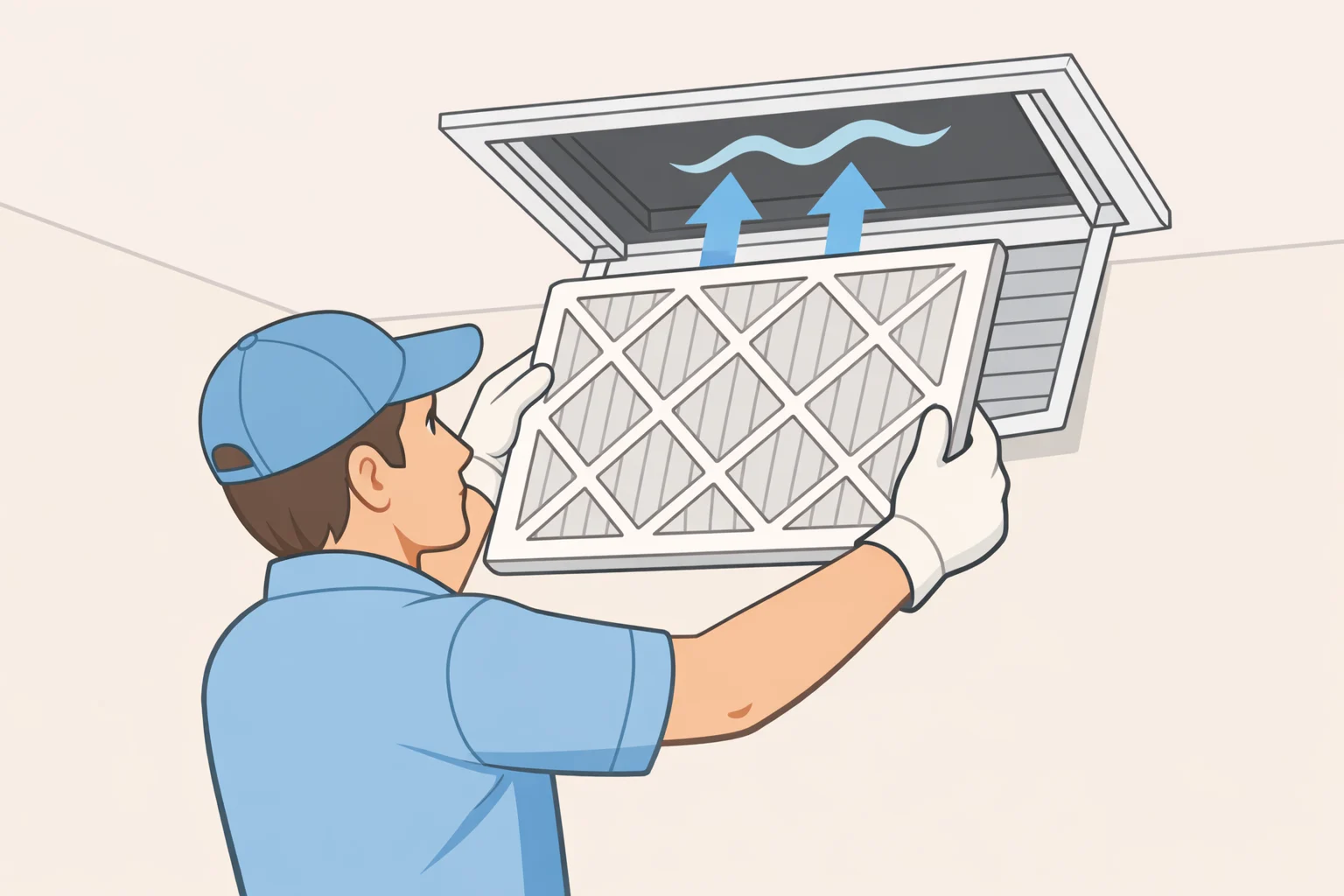
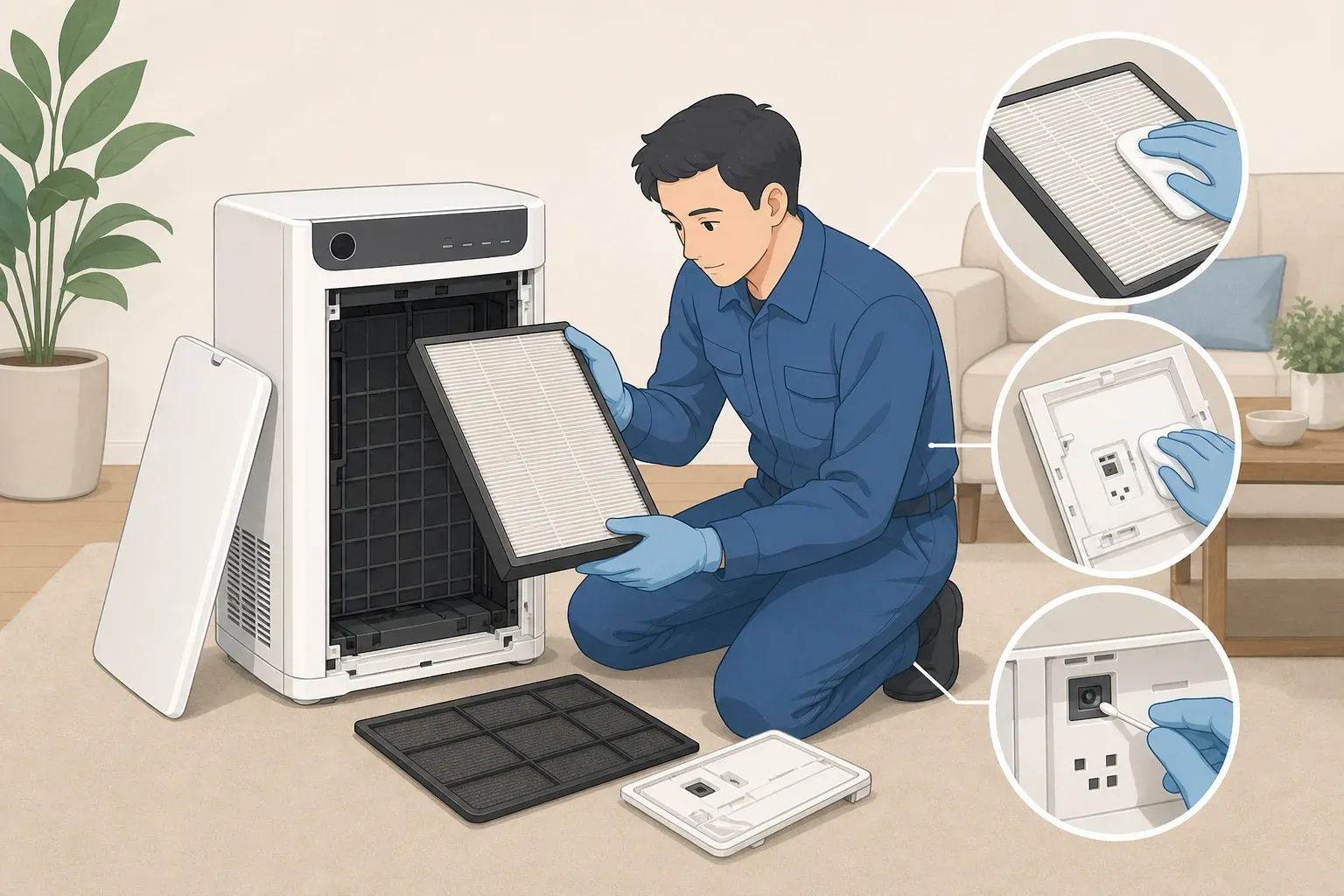
Replace the air filter if it's been more than one to three months (Bryant). A dirty filter is the most common and most preventable cause of short cycling (Bryant). Restricted return airflow can contribute to coil freeze-ups and lead to a safety shutoff the same symptom pattern as a mechanical fault, for a fraction of the cost to fix.
Replace thermostat batteries if the unit uses them. A dying battery can cause intermittent communication failures between the thermostat and the outdoor unit that look exactly like a cycling fault (Bryant). Also check that all supply vents are open and that furniture or rugs aren't blocking return air grilles restricted airflow anywhere in the system can contribute to short cycling (Lennox).
If basic checks don't resolve it causes that need a professional
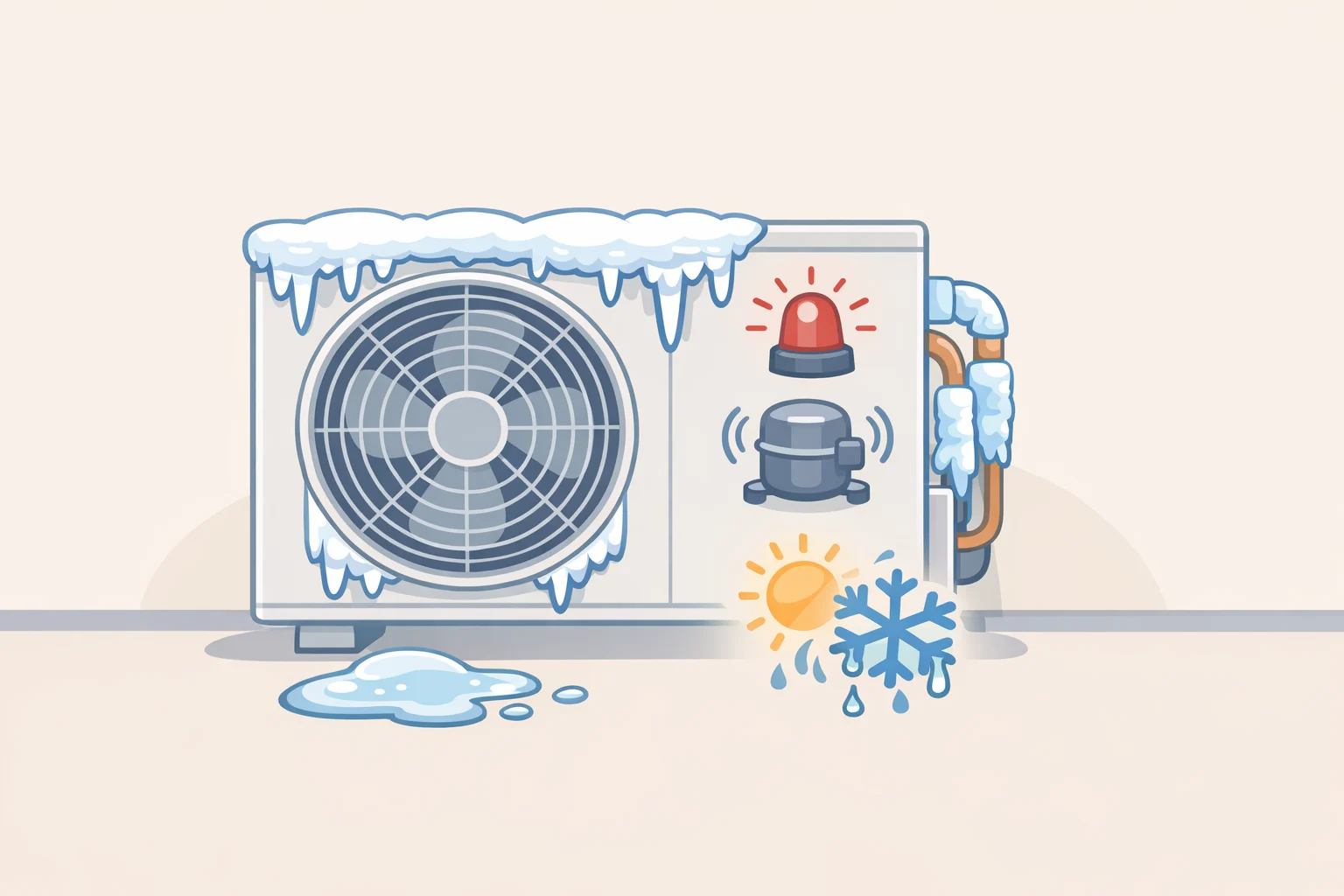
Low refrigerant from a slow leak causes the compressor to overheat when there's insufficient refrigerant to absorb heat from the evaporator coil, forcing the system to shut off early (Inlet Mechanical; Lennox). The accompanying signs: weak cooling output, rising energy bills, and sometimes visible ice on the refrigerant lines (Inlet Mechanical). Refrigerant handling requires a licensed technician.
An oversized AC unit is a design problem, not a repair. A unit too large for the space cools air temperature so quickly that the thermostat is satisfied before dehumidification completes, leaving the house feeling cool but humid and the system cycling far more often than it should (Bryant; Lennox). Replacing the unit with one correctly sized for the home is the only durable fix (Lennox).
One wiring caution: manually jumping thermostat terminals to bypass the protection delay can damage the compressor and produce a misleading diagnosis. If testing requires bypassing controls, that's a job for someone who can restore the original wiring safely (HVAC diagnostic explainer).
On costs: straightforward fixes like a thermostat or filter issue typically run $75–$300; refrigerant, electrical, or compressor work ranges from $500 to over $1,500 (Bryant). Catching the problem early almost always keeps it in the lower range.
What to do with this information
The 3-minute rule is compressor protection, not a performance benchmark. A system that pauses 3–5 minutes before restarting is working as designed. A system running only a few minutes per cycle, over and over, is short cycling a different condition with different causes and real consequences for equipment life (VIOX Electric).
Normal AC cycle length runs 10 to 20 minutes. Anything substantially shorter, repeated consistently, is worth investigating. The compressor is the most expensive component in the system, and startup stress accumulates. Inlet Mechanical notes that persistent short cycling can turn what should be a 15-year system into one that fails in 8 to 10 years.
Start with the thermostat display, then the filter, then the batteries. If cycling continues after those checks, bring a technician in with the pattern documented run duration, any ice, humidity complaints, when it started. That context makes diagnosis faster and repairs cheaper.


Comments
Be the first, drop a comment!