



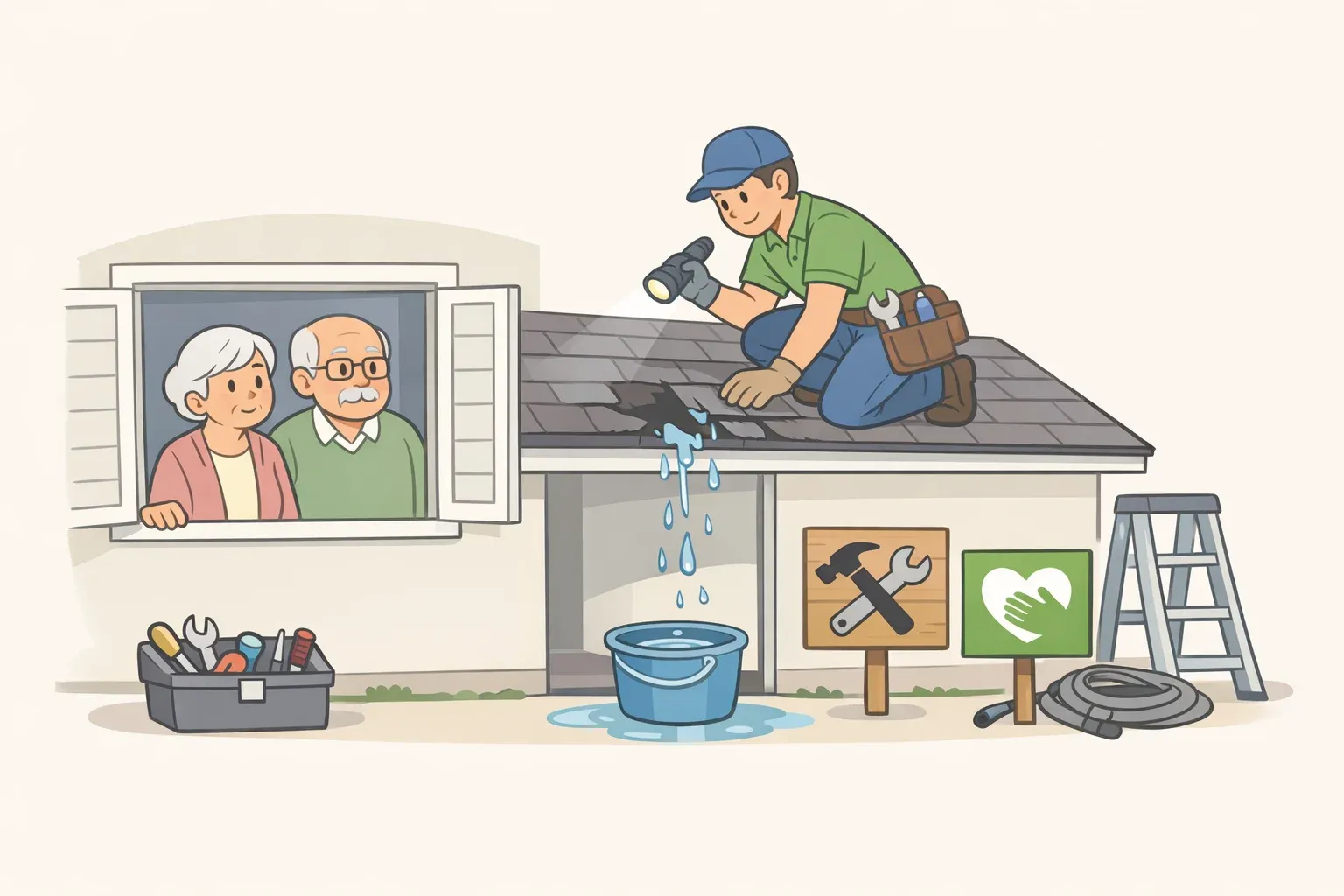
A leaking roof rarely stays a leaking roof. Left alone, it becomes rotted framing, mold, and eventually a house nobody can safely live in. That's why home repair assistance for rural seniors has become such an urgent question in aging communities: for someone living on Social Security, USDA's own language about the stakes is blunt; a failing furnace or a bad roof isn't a mere inconvenience, it can be "life-altering."
That framing matters because two slow-moving trends are now colliding. America's housing stock hit a median age of 44 years in 2023, the oldest on record and up from just 28 years in 1993.
Rural counties, meanwhile, have an older population profile and a shrinking working-age base: the number of rural residents 65 and older climbed from 7.4 million to 9.7 million between 2010 and 2023, while the broader rural working-age population fell to 28 million from more than 30 million over the same stretch. Lower-income homeowners already devote 16% of their income to keeping a house livable, versus under 4% for top earners.
No single study measures rural senior repair distress directly, but the overlap between these trends is real: a housing stock aging into costlier disrepair, meeting a rural population aging faster than its shrinking workforce can support.
This piece works through why that squeeze lands where it does, separates urgent habitability repairs from cosmetic remodeling, and walks through the main federal source of financial help with home repairs for seniors, USDA's Section 504 program, along with what it can't do.
Why rural seniors struggle to afford home repairs
No dataset tracks rural seniors and their repair bills as a distinct group, so the case here is built by connecting several national datasets that, together, describe a believable squeeze rather than a proven one.
Start with the age split. Owners of homes built before 1960 spend an average of $6,000 a year on upkeep, 35% more than owners of homes built since 2010. That average hides a sharper split within the same group of older homes: top-income owners spend nearly three times as much, $12,700, as bottom-income owners, who spend just $3,400. A gap that size, in homes of the same age, points toward affordability rather than differing need. Wealthier owners aren't facing bigger problems, just fewer constraints on fixing them.
The pattern sharpens further at the bottom of the income scale. Across all homes, 28% of the lowest-income owners spent nothing on maintenance or repairs in 2023, double the 14% rate among higher earners. That's not evidence those homes needed less work. It is more likely to reflect repairs deferred for lack of funds, which tend to compound rather than disappear.
Rural counties add a demographic wrinkle. The typical remote rural county has 72 dependents, elderly and youth combined, for every 100 working-age residents, compared with a metro median of 57.
A higher dependency ratio means fewer working-age neighbors and relatives relative to the number of older residents in a county, which reasonably makes it harder to informally share the cost or labor of a repair, though the research doesn't isolate that effect directly. What it does establish clearly is the core tension: fixed retirement income meeting a housing stock that demands more spending every year, not less.
How aging homes increase maintenance costs for seniors
The dollar figures above raise an obvious question: what's actually breaking? The answer separates genuine habitability crises from optional home improvement, and it gets at what's really driving aging home maintenance costs nationally.
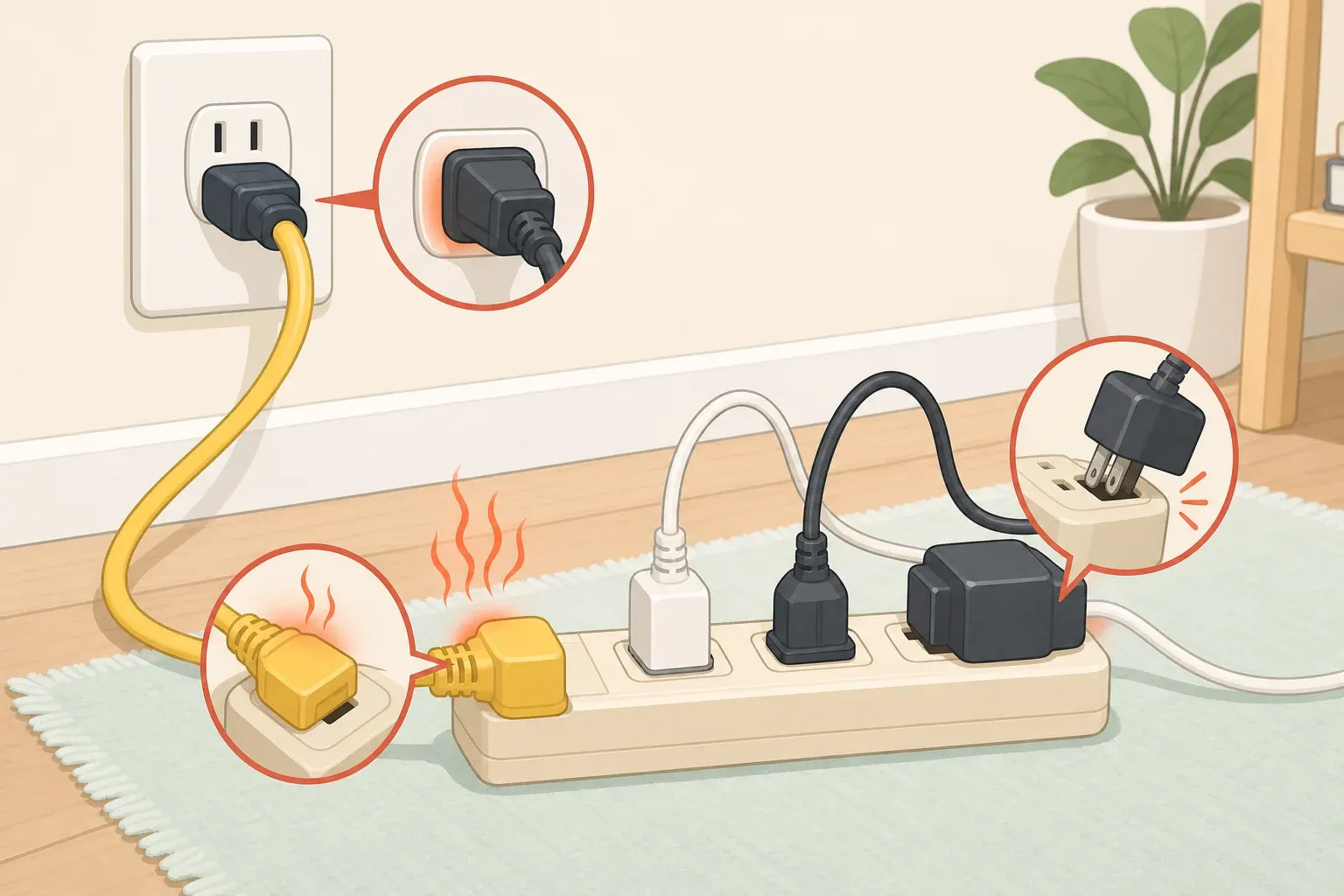
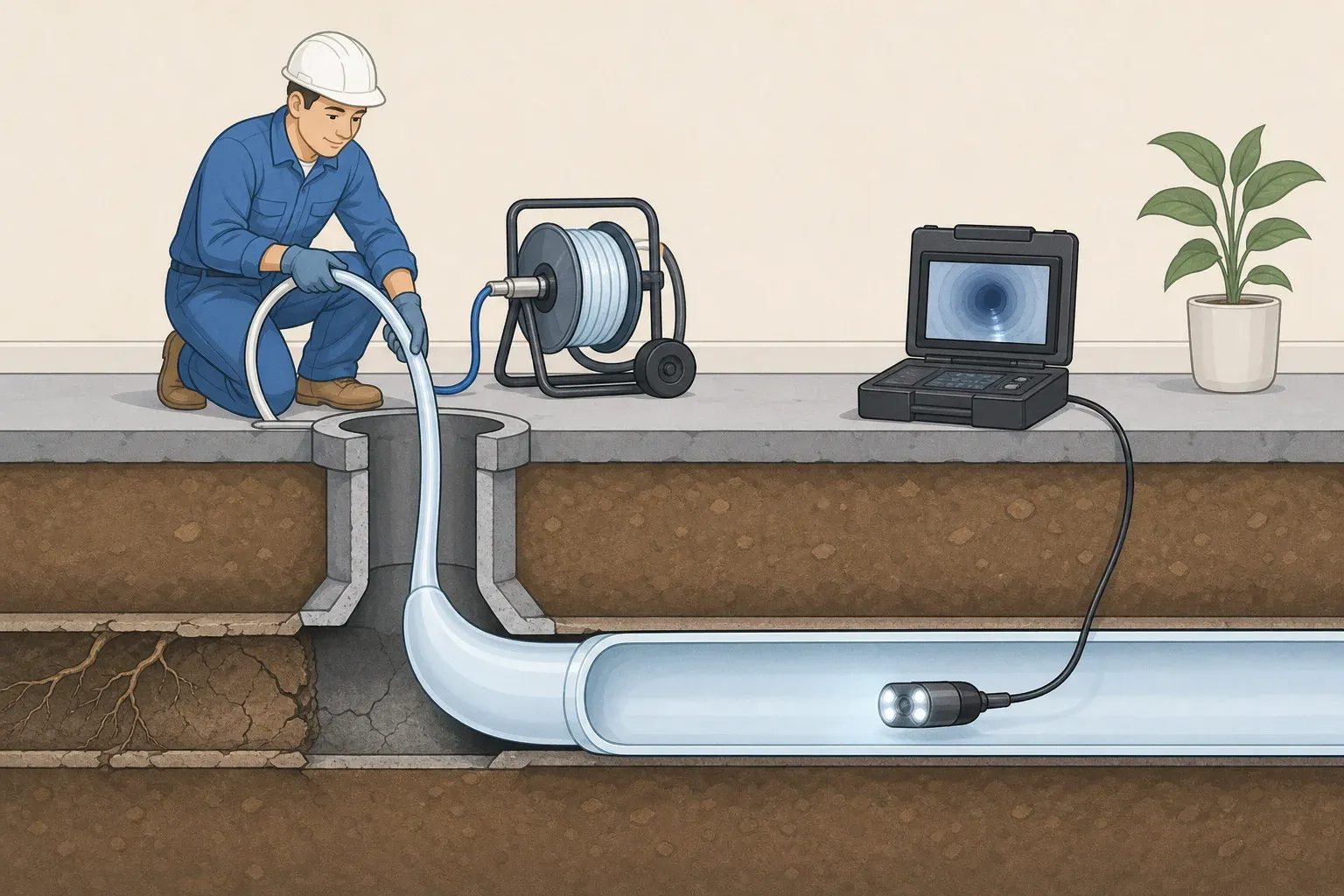
One in four homeowners, roughly 22 million households, live in a home built before 1960. Those homes carry a 5.4% "inadequacy" rate, meaning serious plumbing, electrical, heating, or structural problems, four times the 1.3% rate found in homes built since 2010.
A 2025 analysis from the Federal Reserve Bank of Philadelphia found that 48% of homes built before 1940 needed at least one repair in 2024, compared with 26% of homes built since 2000, and that older homes carried an average repair bill of $5,200 versus $3,600 for newer ones.
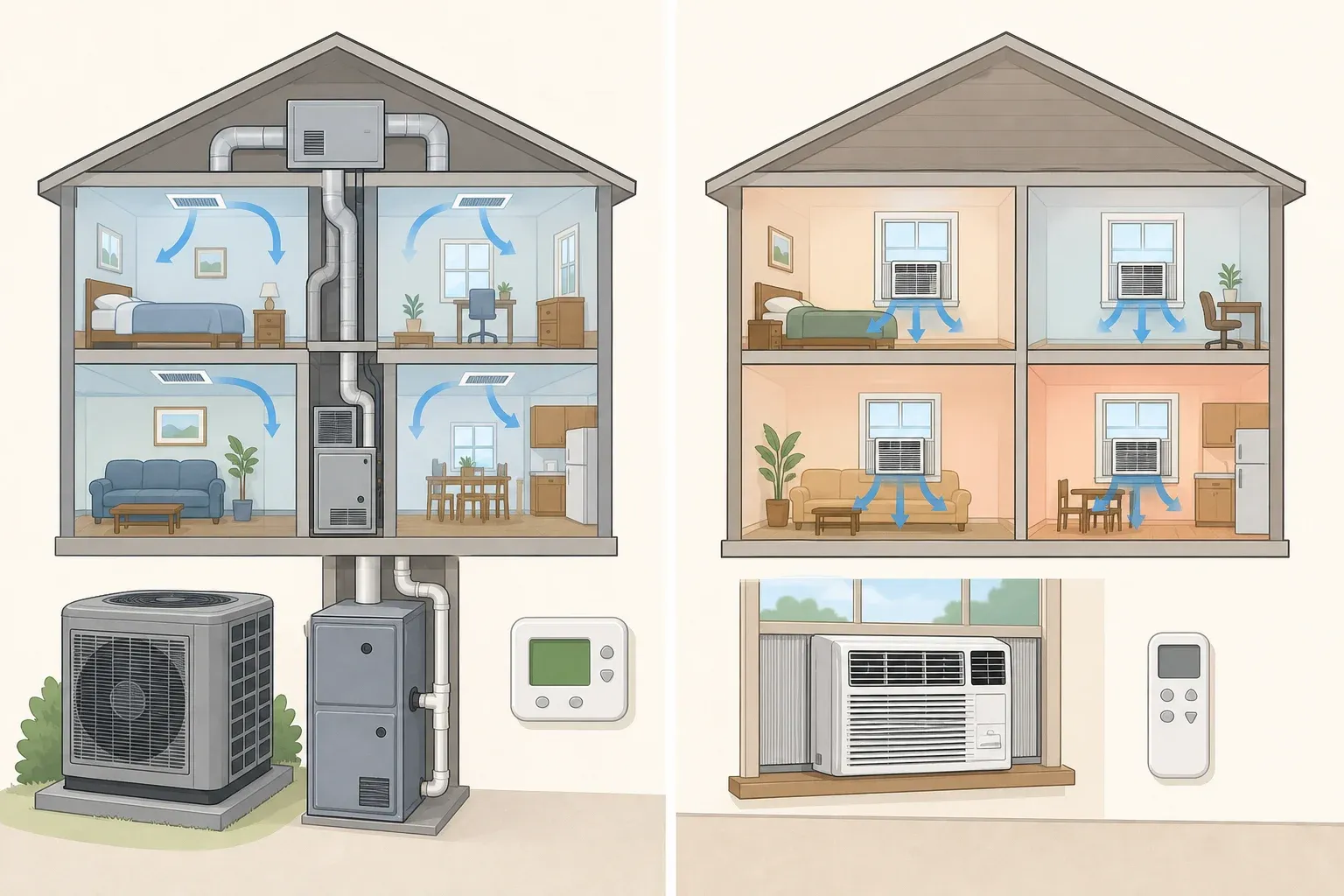
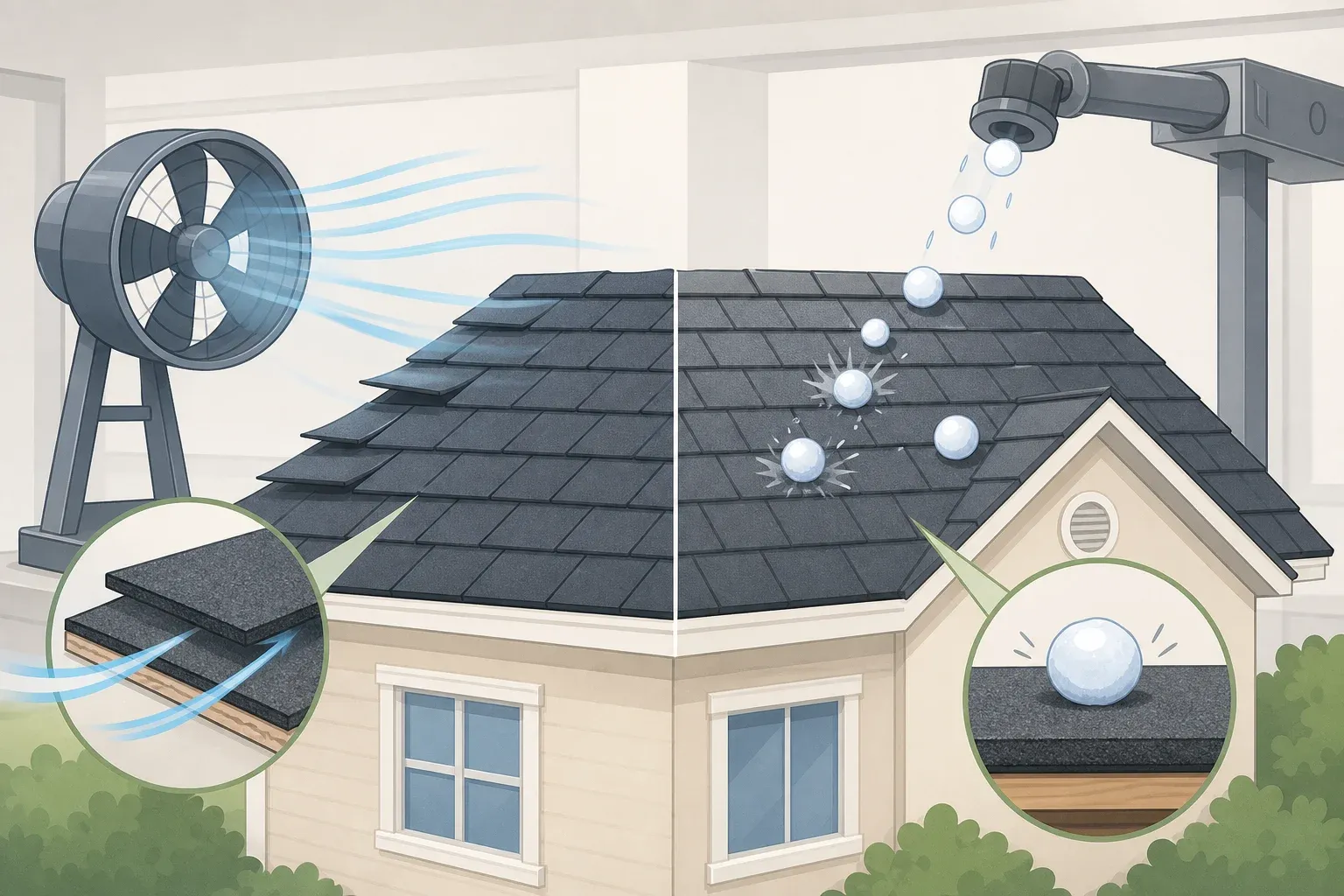
Where the money actually goes tells the more useful story. In pre-1960 homes, 39% of repair spending goes toward replacing failing systems and components, things like roofs, HVAC, and plumbing. In homes built since 2010, that figure is 24%. Spending in older homes skews toward keeping systems running, not toward the decks, landscaping, and room additions that make up a much larger share of what newer homeowners spend on.
That distinction matters for what comes next: figuring out where the money for these replacements can actually come from, especially for a rural household covering the bill on a fixed income.
Home repair assistance programs for rural seniors: what USDA Section 504 actually offers
USDA's Section 504 Home Repair Program is a federal option for rural elderly home repair assistance, and it's worth understanding both its reach and its boundaries before assuming it will cover a given problem.
Who qualifies: the program serves owner-occupants of single-family homes in eligible rural areas whose household income is "very low," generally below 50% of the area median income, and who cannot get affordable credit anywhere else. That eligibility bar is intentionally narrow, built to reach households with the least room to maneuver rather than to serve as general-purpose home improvement financing.
What it offers:
Loans up to $40,000 for repairs, improvements, or modernization, at a fixed 1% interest rate over a 20-year term
Grants up to $10,000 (or $15,000 in a presidentially declared disaster area) for homeowners 62 or older who cannot afford to repay a loan, aimed specifically at removing health and safety hazards
Loans and grants can be combined for up to $50,000 in total assistance, or $55,000 in disaster areas
USDA's own case examples illustrate the intended use. In Colorado, program funding helped homeowners replace a leaking roof, install a new furnace, upgrade windows, and repair a failing septic system. Those examples mirror the types of system failures discussed above.
Before you apply
The loan and grant sides of Section 504 aren't interchangeable, and the distinction matters more than most program summaries let on.
Loans can go toward a broader range of work: general repairs, improvements, or modernization, not just emergency fixes. Grants are narrower by design. They exist only to remove health and safety hazards, a collapsing roof, exposed wiring, a failed septic system, and only for homeowners who are 62 or older and cannot afford to repay a loan at all.
The grant side also carries a lifetime cap, not a per-project one. A homeowner can receive up to $10,000 in grants over a lifetime under the program, or $15,000 if the home sits in a presidentially declared disaster area.
A senior who uses part of the grant on a furnace this year has less available later for a roof or a septic failure, so deciding which repair to prioritize, rather than applying reactively as each system fails, makes a real difference given that cap.
There's a repayment condition worth knowing before signing anything: grants must be repaid if the home is sold within three years of receiving assistance. For a senior who might downsize or move closer to family within a few years, that clawback belongs in the loan-versus-grant decision, not as a footnote discovered later.
Applications are accepted year-round through local USDA Rural Development offices, so there's no annual deadline to race against. Confirming that a given address actually qualifies as "rural" under USDA's mapping is a smart early step, since eligibility here depends on location as much as income.
Section 504 isn't the only effort in this space. Pennsylvania's Whole-Home Repairs Program, launched in 2023, was the first statewide subsidy of its kind for lower-income homeowners and rental property owners. At the federal level, the 21st Century ROAD to Housing Act establishes a pilot program aimed at funding habitability, safety, accessibility, and weatherization grants for income-eligible homeowners.
For now, Section 504 remains the federal program with the clearest, most established path to home repair programs for senior citizens in rural areas, though it stays need-tested, capped, and limited to rural addresses, which matters given the scale of the problem it's meant to address.
What this means going forward
The evidence supports a real overlap, not a documented crisis specific to rural seniors. A national housing stock aging into costlier disrepair is meeting a rural population with an older age profile and a shrinking working-age base. That's a serious convergence worth watching, even without a study that measures rural senior repair distress as its own category.
The scale of the underlying money gap should temper expectations regardless of which way that overlap turns out to run. Nationally, 27 million owner-occupied homes needed at least one repair in 2022, with a combined price tag of $98 billion. Section 504's per-household caps, useful as they are, were never built to absorb a problem measured in the tens of billions.
Contacting a local USDA Rural Development office remains the most concrete, low-risk way to find out whether a specific repair qualifies for a 1% loan or a senior grant. USDA itself describes the program not as a universal fix but as a "critical lifeline," and that framing holds up better than either extreme, crisis or non-issue. It won't rebuild the country's oldest housing stock. But for a homeowner staring at a furnace that failed last winter, it can be the difference between a livable one this year and a very hard one.





Comments
Be the first, drop a comment!