



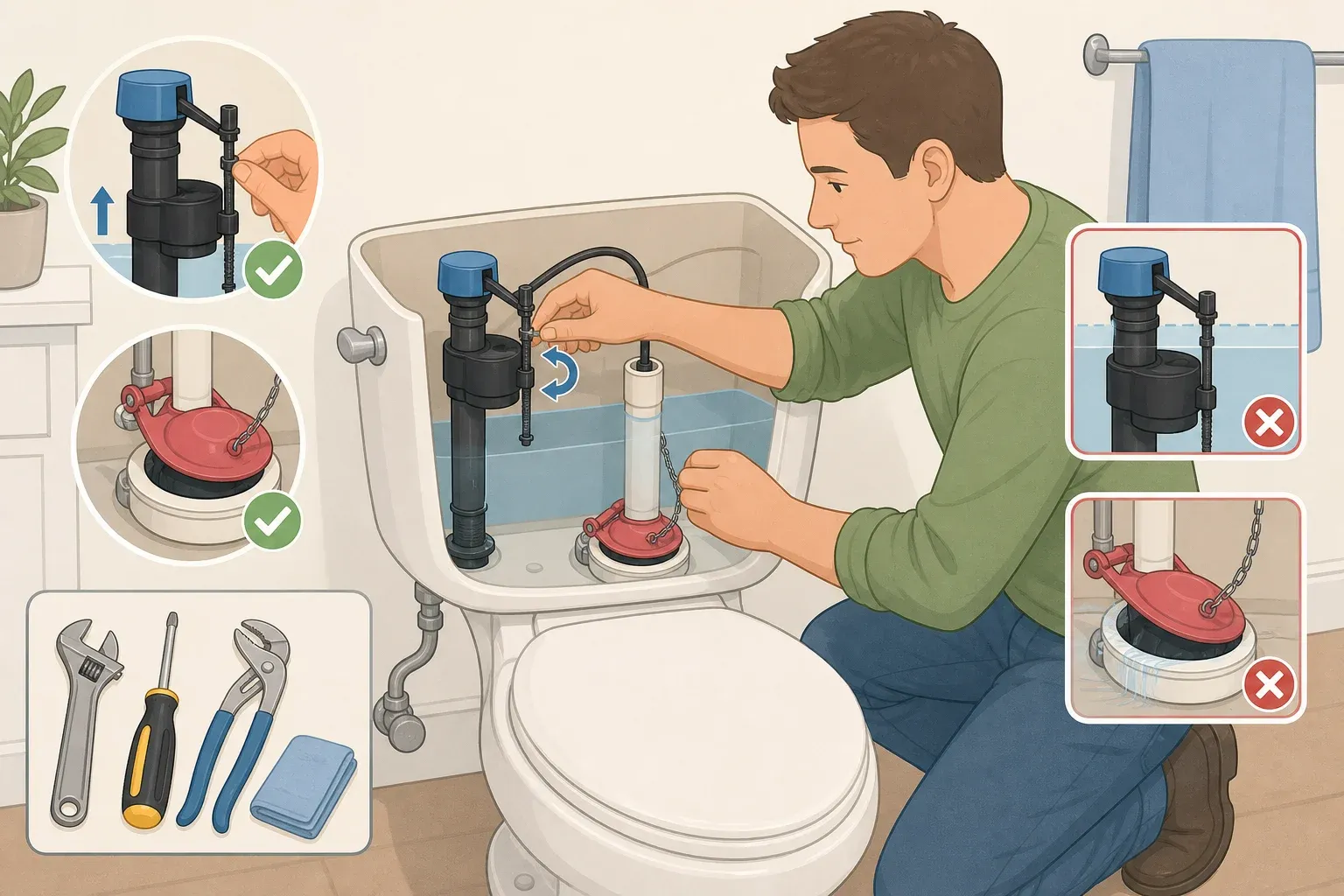
Start by removing the tank lid and looking inside. That's how to tell whether the running sound is water spilling into the overflow tube, a flush chain holding the flapper open, or a fill valve that won't shut off. Sorting out which one is happening is most of the work in fixing a running toilet without a plumber. Once the cause is clear, the fix itself is usually a chain adjustment, a water-level tweak, or clearing debris from the fill valve, not a parts replacement.
A running toilet often starts with something visible from inside the tank. Kohler's toilet support guide lists three usual causes: a trip lever arm binding on its chain, water spilling into the flush valve's overflow tube, and sediment trapped under the fill valve cap. Shutting off the water supply before touching anything inside the tank stops it from continuing to fill while parts are adjusted and keeps the job from turning into a spill.
Why your toilet keeps running
A running toilet usually makes itself known through sound before anything else. Constant filling or hissing noise that doesn't stop is the main sign, sometimes paired with a faint ripple in the bowl water even when nobody has flushed recently.
Pull the tank lid off and check for these signs before reaching for any tool:
Water trickling steadily into the overflow tube in the center of the tank
A fill valve that keeps hissing or won't fully shut off, which Kohler ties to sediment lodged under its cap
A flush handle chain that's too tight or tangled with slack, which can bind on the trip lever arm and may keep the flapper from sealing properly
Matching the symptom to the cause before opening anything saves guesswork later, since each one has a different fix.
What you'll need
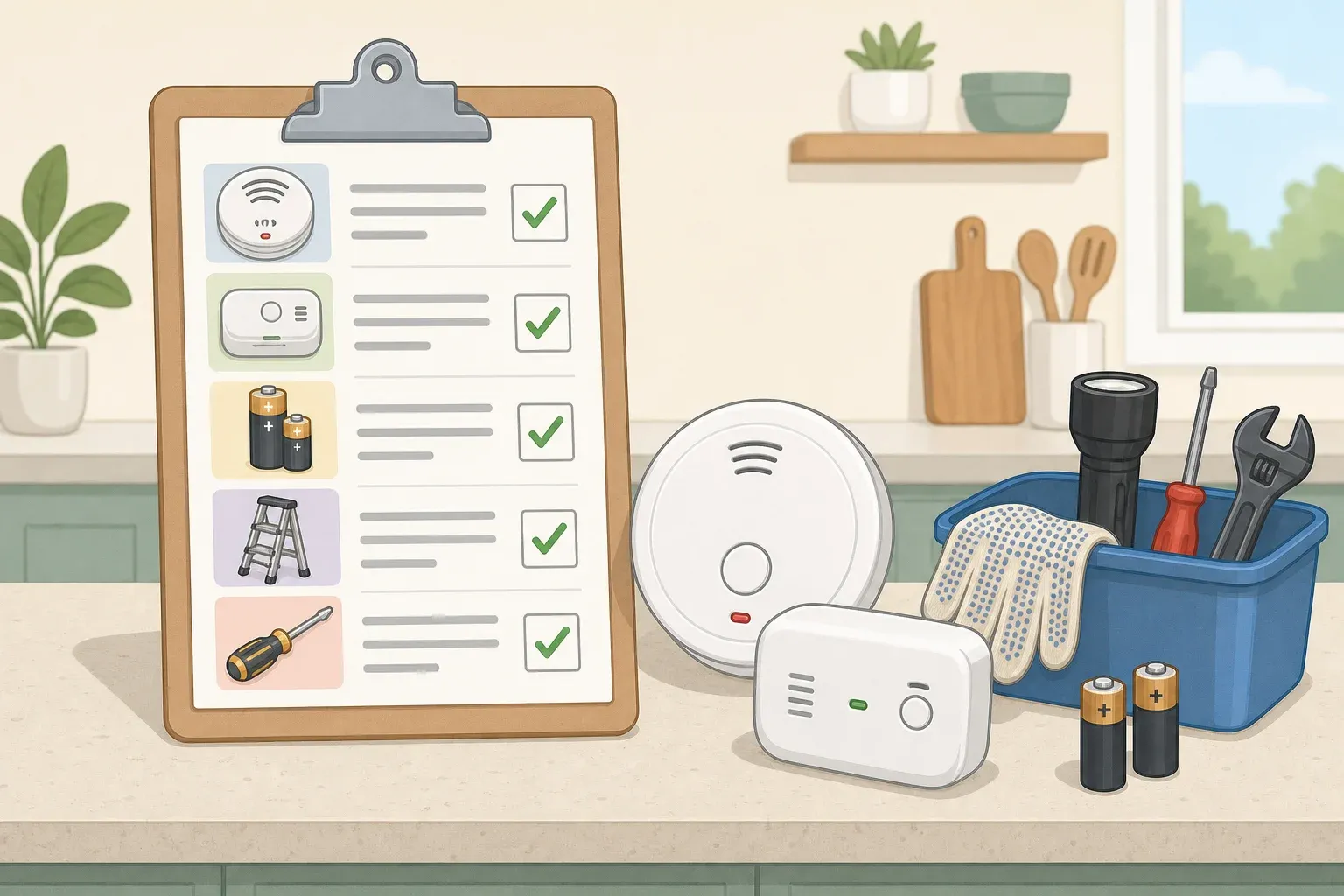
A plastic cup, the only tool Kohler's guidance calls for when clearing debris from the fill valve
A flashlight, since the inside of a tank is dimmer than it looks
An old towel to lay under the tank in case of drips
A replacement flapper on hand, in case inspection later shows it's worn
This is beginner DIY work: opening a tank, adjusting a chain, and clearing a fill valve cap. It does mean reaching into a full tank of water, so keep the towel close and dry your hands between steps.
Before you start
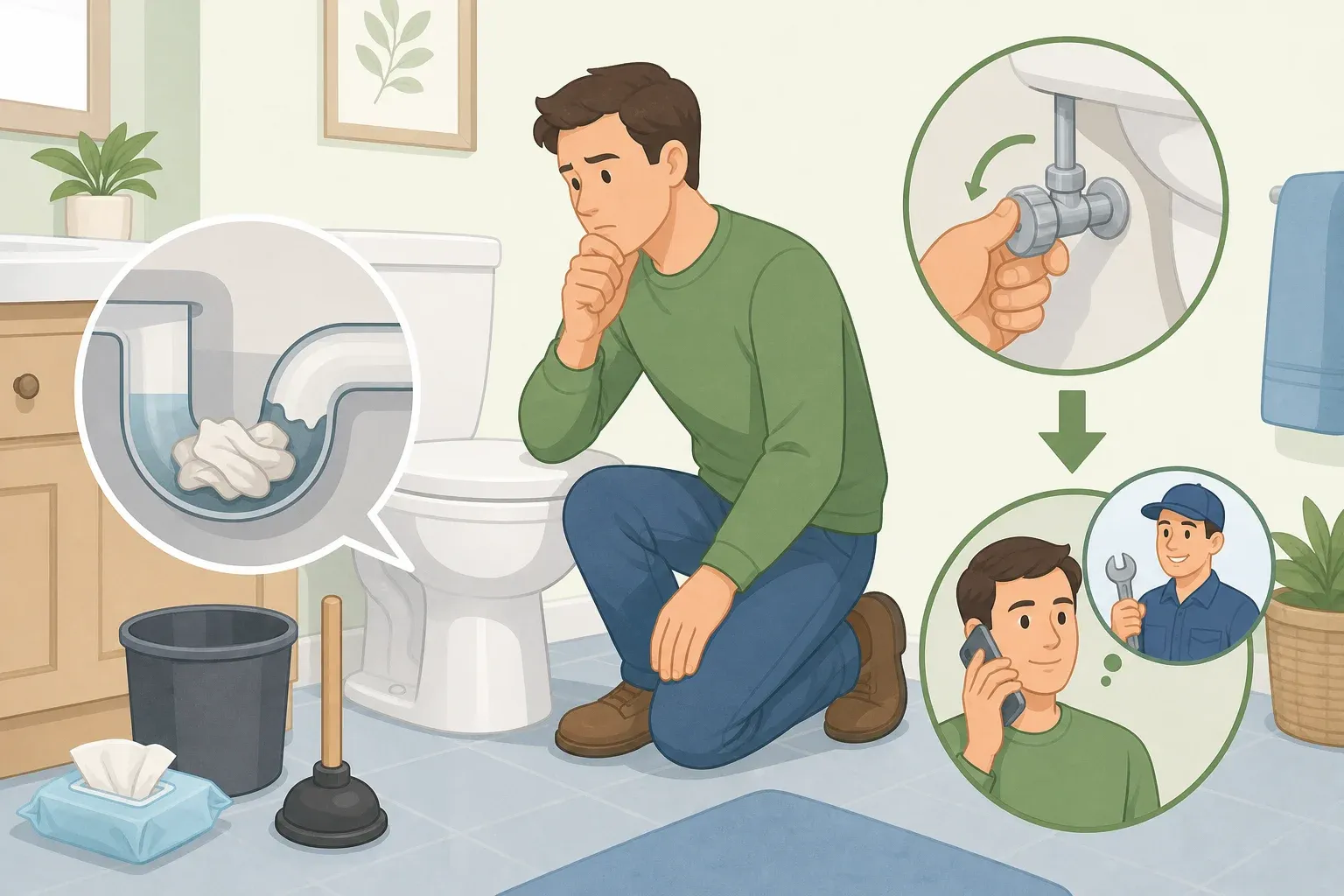
Locate the shutoff valve near the base of the toilet. Turn or rotate the valve according to its own design until the water stops; don't force it if it resists partway through. Flush the toilet once the valve is closed to drain the tank and relieve pressure in the supply line before touching anything inside.
If the valve won't turn smoothly, feels seized, or shows corrosion, stop right there. Don't reach for a wrench to force it. A shutoff valve that cracks or fails under pressure can flood a bathroom fast, and that's a job for a landlord's maintenance line or a plumber, not something to push through solo.
Don't proceed with any of the repairs below if you notice:
A shutoff valve that won't turn or looks corroded
Water already pooling around the base of the toilet
A visible crack anywhere in the tank or bowl
A fill valve cap that won't release using the method the manufacturer describes
Any of those means the problem is bigger than a chain adjustment or a fill-valve cleaning, and it's time to call maintenance or a plumber instead of continuing.
How to stop a toilet from running continuously
Work through these in order. Each one confirms or rules out a cause before moving to the next.
1. Check the chain and flapper
Look at the trip lever arm connecting the flush handle to the flapper. Kohler recommends leaving roughly one to two links of slack in the chain: enough that the arm swings freely, but not so much that loose links catch on it and hold the flapper open. If the chain is too tight and the flapper never fully closes, unhook it from the arm, move it down a link or two, re-hook it, and test with a flush. If it's too loose, take up the slack the same way until one or two links remain, then trim off anything extra so it can't tangle again.
While you're in there, watch the flapper for a few seconds after the tank stops filling. If it settles flat over the drain opening and the water stays still, it's sealing correctly. If it sits crooked, doesn't drop all the way, or the bowl keeps rippling even after the chain is adjusted, that points toward the flapper rather than the chain. Keep that in mind for later if the other checks come up clean.
2. Check whether water is entering the overflow tube
Watch the tank as it refills after a flush. If water is spilling into the overflow tube instead of stopping at the marked fill line, Kohler's guidance points to the tank water level being set too high. Look for an adjustment screw, dial, or clip on the fill valve; the exact mechanism varies by manufacturer, so use whatever method that valve's own instructions describe.
Make one adjustment at a time instead of cranking it down all at once. Flush, watch the next fill cycle, and confirm the water now stops at or below the marked line before adjusting further. If it's still spilling over, make another small adjustment and retest rather than guessing at a bigger change.
3. Clean the fill valve for sediment
If the chain and water level both check out but the fill valve keeps hissing or won't fully shut off, sediment lodged under its cap is one possible cause. This is where a running toilet fill valve repair depends entirely on the toilet in front of you, not a generic set of steps.
Identify the brand and model before starting anything. Look up that manufacturer's own instructions for reaching the fill valve cap, since cap designs differ across brands and there's no universal method here.
Stop and call maintenance or a plumber instead of improvising if the cap won't release the way the instructions describe, if the valve body looks cracked or damaged once exposed, or if the toilet is still running after one complete cleaning. Repeating the same cleaning on a valve that's already failing usually just delays a fill-valve replacement rather than fixing anything.
This kind of running is common right after a new toilet installation, since turning the water supply off and back on can loosen sediment sitting inside the lines. If the toilet started running right after installing a bidet attachment or any other project that involved cycling the shutoff valve, sediment is one possibility. Check the tank and any new fittings rather than assuming that's automatically the cause, since a slow leak at a fitting is a different problem from a fill valve that won't shut off.
4. Turn the water back on and retest
Open the shutoff valve slowly and watch the tank fill. It should stop once it reaches the marked fill line, with no lingering hiss. Flush once and watch the whole cycle: water fills, the flapper drops and seats, and the fill valve shuts off on its own.
Check the tank one more time before putting the lid back on. Water should sit quietly below the overflow tube with no trickle, no hiss, and no ripple in the bowl. That's the sign the running has actually stopped, not just gone quiet for a moment.
If cleaning didn't fix it
A toilet that keeps running after one fill-valve cleaning usually needs a new fill valve rather than a repeat cleaning. Kohler's guidance is direct here: if flushing the valve doesn't resolve the running, replacement is the next step.
The flapper deserves a second look, especially if the chain and water level both checked out earlier but the toilet still won't fully quiet down. Flush and watch the flapper directly: if it rocks, doesn't sit flat against the drain opening, or lets water bubble past even after it looks closed, that's the flapper leaking rather than the fill valve running. A flapper that looks cracked, warped, or crusted with mineral deposits is worth replacing on sight, even if it still manages to close most of the way.
When shopping for a replacement, match it to the toilet's make and bowl size rather than grabbing whatever's cheapest on the shelf; flapper shapes aren't universal across brands. Water-saving flappers generally run $5 to $20 and typically last three to five years, according to a flapper maintenance guide updated last year. Installing one is a straightforward swap: shut off the water, drain the tank, unhook the old flapper from its mounting points, hook on the new one, then turn the water back on and test the flush.
Finish line: What to check and when to call a plumber
A fixed toilet is a quiet one. Check the connections and the tank again after a normal day or two of use, since a fitting or adjustment that seemed fine can occasionally shift slightly as it settles.
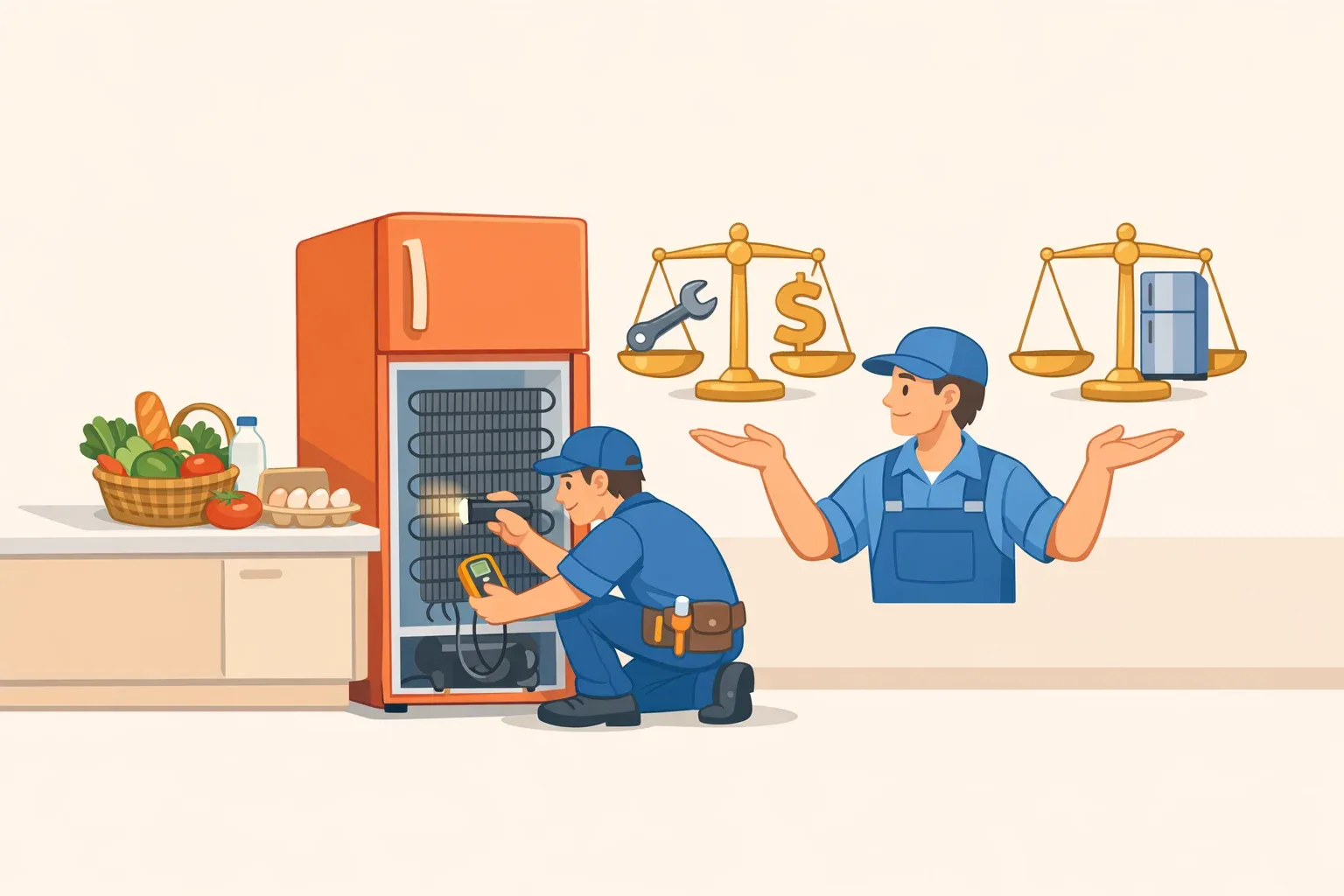
If the running comes back after both a chain adjustment and a fill-valve cleaning, replacing the fill valve is the next step rather than another round of the same cleaning. For renters, that's also the point where a renter-friendly running toilet fix means picking up the phone instead of buying more parts: raising it with a landlord or property manager is a reasonable move rather than something to keep troubleshooting solo.
Call maintenance or a plumber right away if the shutoff valve won't turn at all, if a connection keeps leaking after a modest retightening, or if there's water staining, soft flooring, or any sign of mold near the base of the toilet. Those point to a problem beyond a worn part, and pushing further without the right tools can turn a cheap fix into a much more expensive one.






Comments
Be the first, drop a comment!