



Gas Furnace Won't Start? Fix It in 30 Minutes (No Service Call Needed)
Difficulty: Novice
Time: 30-60 minutes
Cost: $5-25 (filters and batteries)
Why You'll Like This Guide
Winter hits, and your furnace goes silent—exactly when you need heat most. Before you panic about expensive repair bills, try these simple checks first. Many common furnace issues can be diagnosed and resolved with basic steps, often without needing to call a professional. Most furnace problems boil down to four basic issues: power interruptions, thermostat glitches, dirty filters, or tripped safety switches. Walk through these steps, and you'll likely have heat flowing again in under an hour.
What You'll Need
Materials
New furnace filter (check current size first)
AA batteries for thermostat
Flashlight or headlamp
Tools
Screwdriver (Phillips head)
Shop vacuum (if available)
Safety First
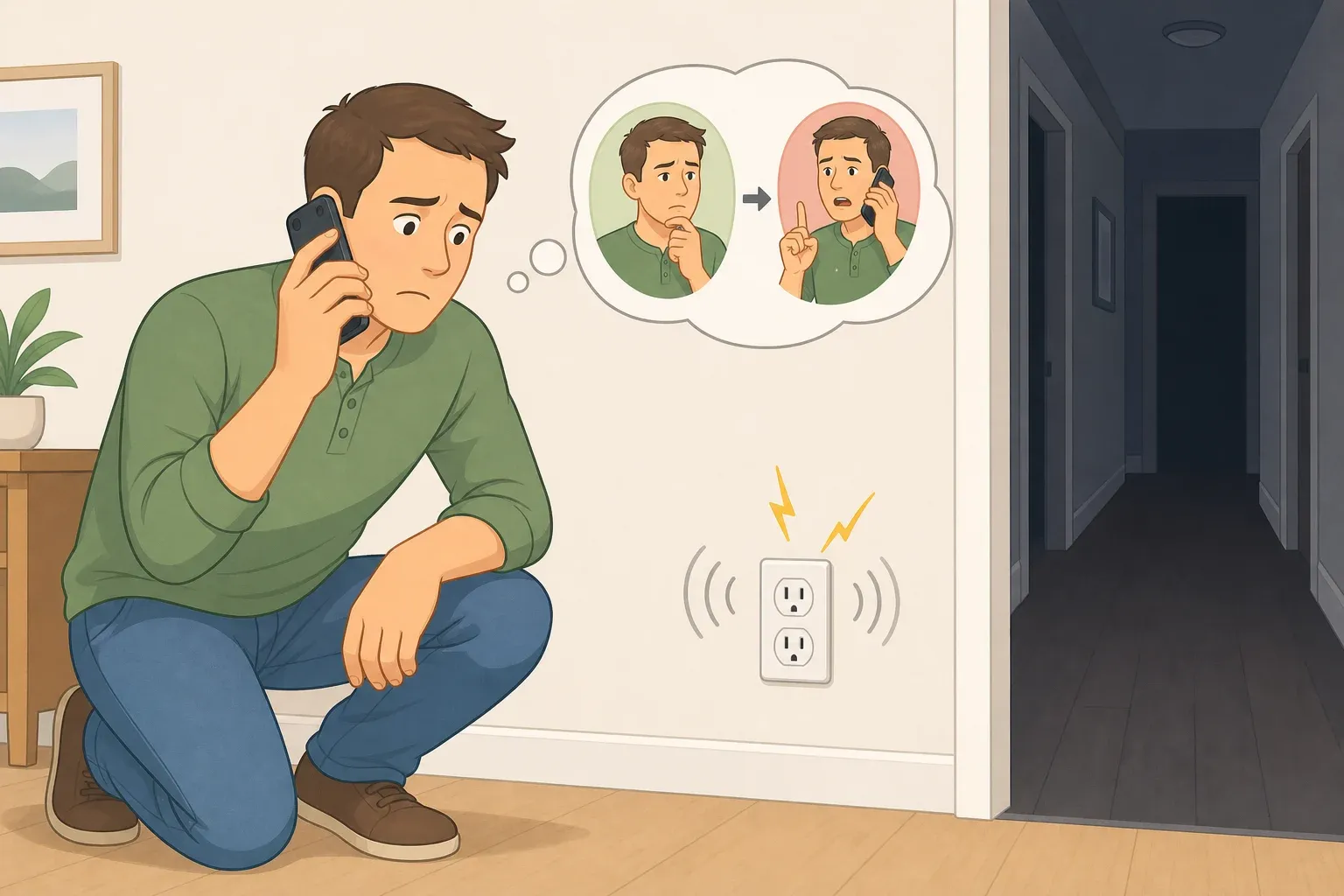
Power OFF at the breaker and verify with a non-contact tester before touching electrical components
Gas Safety: If you smell gas, evacuate immediately and call 911
Carbon Monoxide Alert: Carbon monoxide symptoms include headaches, dizziness, and nausea, and require immediate evacuation and calling emergency services
Never attempt repairs on gas lines, electrical wiring, or heat exchangers
Adult supervision is required when checking pilot lights or working near gas components
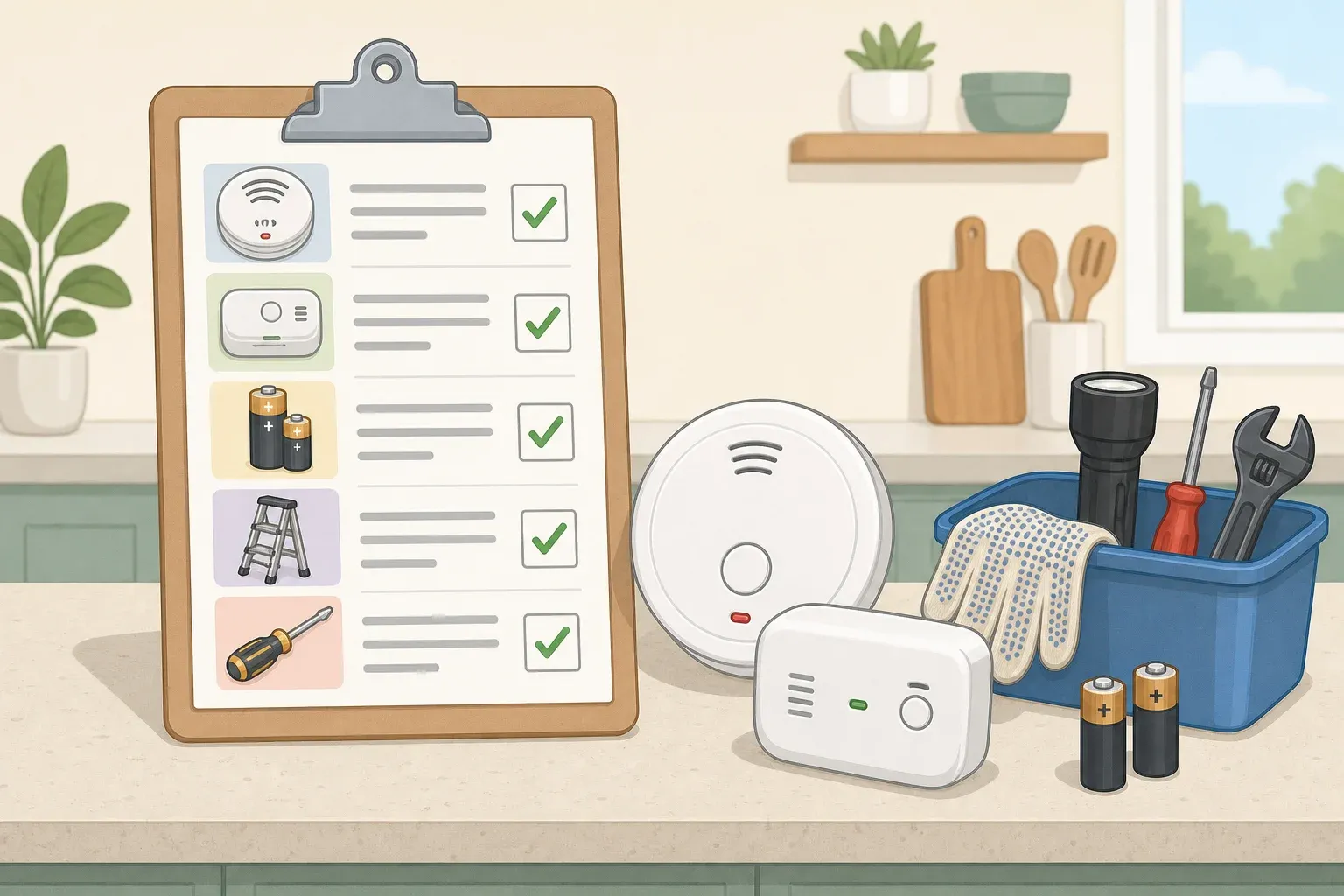
Carbon Monoxide Safety Reminder: Make sure you have working carbon monoxide (CO) alarms on every level of your home and near sleeping areas. A malfunctioning furnace can produce dangerous CO levels even if it appears to be running normally.
Start with the Obvious: Power and Settings
Your furnace needs electricity even for gas models—it runs the controls, blower, and ignition system. Look for a standard wall switch on or near the furnace—all furnaces have one somewhere. This switch often gets accidentally turned off during cleaning or storage activities.
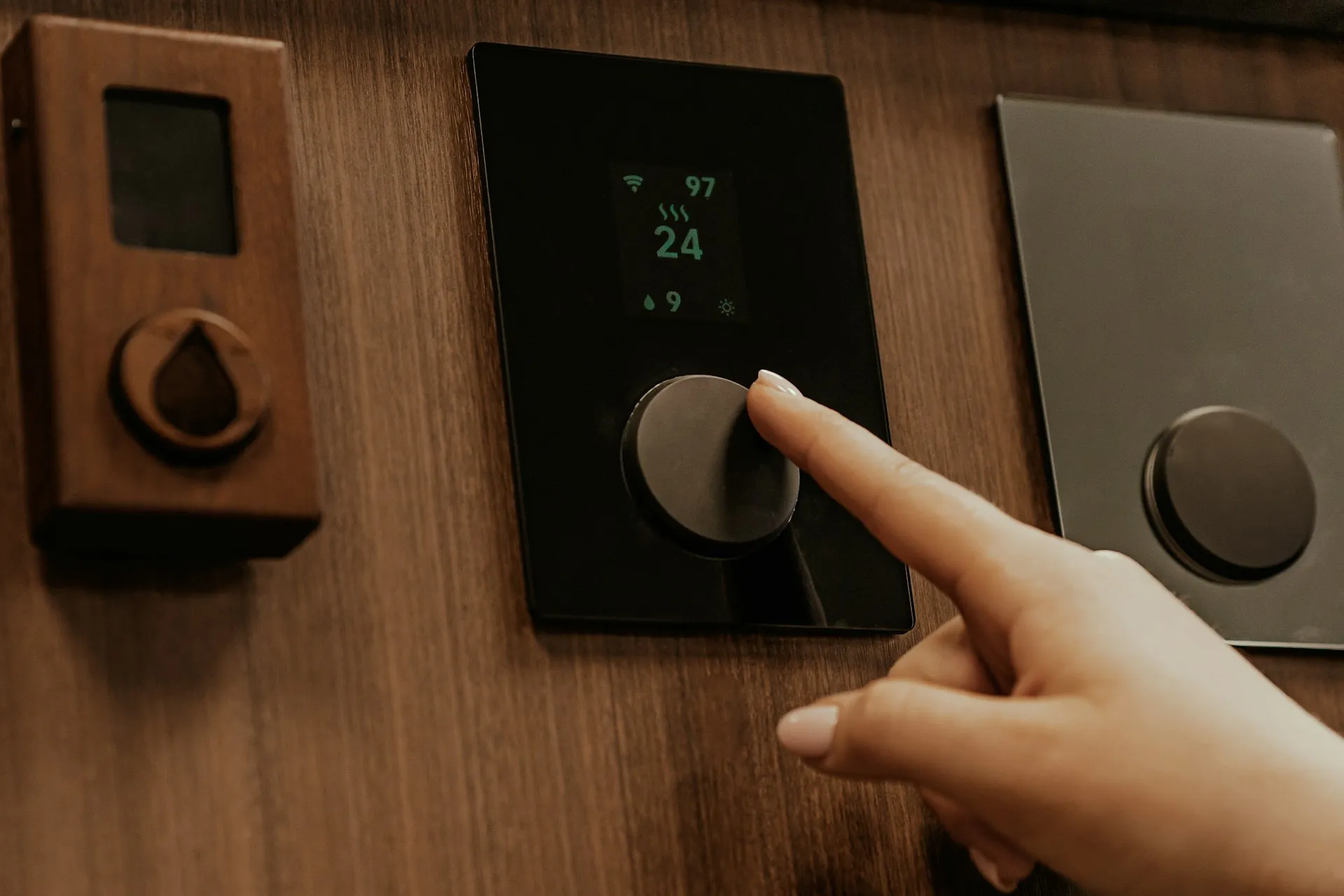
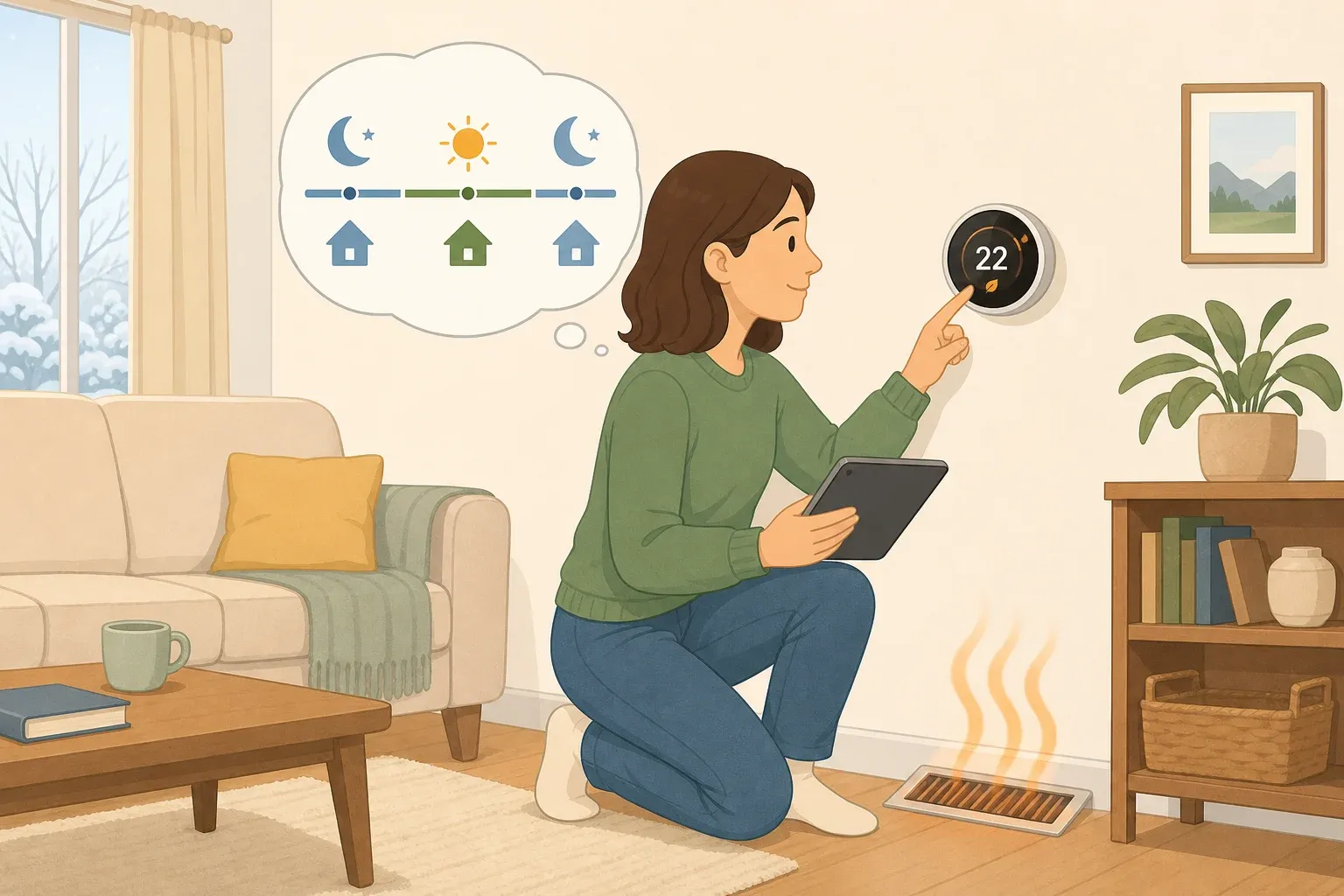
Next, double-check your thermostat. Make sure the furnace switch is on "Heat" rather than on "Cool," set the temperature five degrees higher than the room temperature, and see if the furnace kicks on.
Most newer furnaces use electronic ignition instead of a standing pilot light. You should not remove sealed panels, but you can listen during a heat call for signs of ignition—such as clicking sounds or a brief glow from the ignitor through the viewing window (if present).
If you hear the furnace trying to start but it never lights, the issue may involve the igniter, flame sensor, or control board, and usually requires professional service.
Tip: Replace the battery if your thermostat uses them. Weak batteries cause communication failures between the thermostat and the furnace.
Check Your Air Filter and Circuit Breaker
A clogged air filter is one of the most common reasons a furnace stops working properly. Find your filter (usually in a slot near the furnace or return air grill) and slide it out. If it's packed with dust, hair, and debris, it restricts airflow, and the furnace can overheat and shut itself down to protect the equipment.
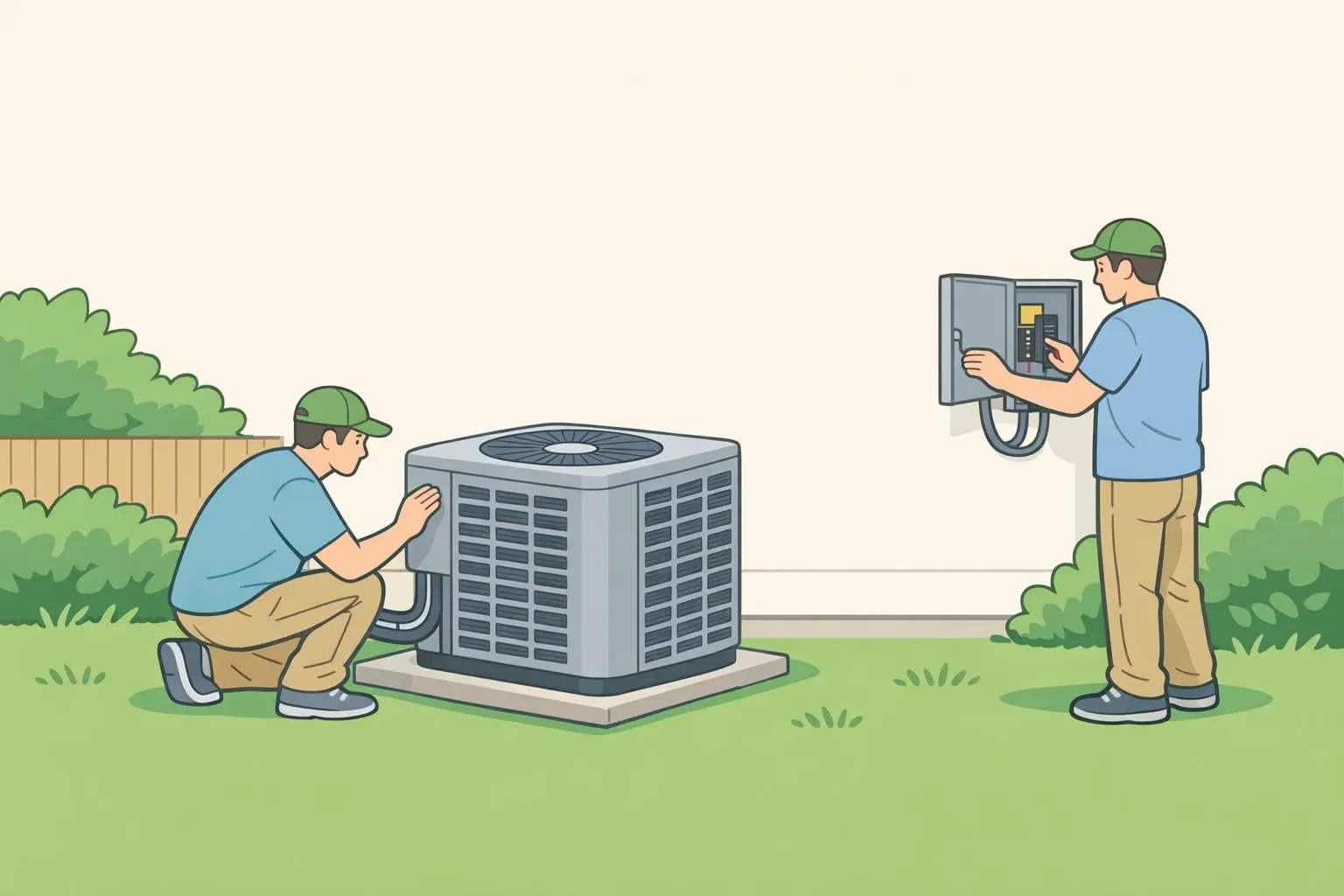
While you're at it, check the circuit breaker for the furnace. Find the breaker labeled "Furnace," "HVAC," or "Heater." If it's in the middle or looks slightly off, turn it fully off, then back on.
Safety: Always turn off the power to your furnace before removing or replacing the air filter.
Inspect Vents and Safety Switches
Walk through your home and make sure supply vents and return grilles inside the home are open and not blocked. Blocked vents create pressure imbalances that trigger safety shutoffs.
Many furnaces have a safety switch that shuts the unit off if the front panel/door isn't seated correctly. Check that all access panels are properly closed and latched. Finally, make sure the front panel covering the blower motor is securely fastened; there's a push-in switch behind it that must be fully depressed for the furnace to operate.
Safety: Never bypass or tape down safety switches—they prevent dangerous operation when panels are removed.
When to Call a Professional
If these basic checks don't get your furnace running, you're likely dealing with issues beyond safe DIY troubleshooting. Some deeper issues that may cause a furnace not to turn on include: a faulty flame sensor, a failing igniter or control board, blower motor or capacitor problems, limit switches or safety sensors tripping, or wiring or electrical issues.
Emergency - Evacuate Immediately:
If you smell gas, evacuate immediately and call 911
Carbon monoxide symptoms include headaches, dizziness, and nausea, and require immediate evacuation and calling emergency services
Call an HVAC Technician For:
Modern furnaces have safety switches such as the access door switch, high-limit switch, pressure switch, and flame rollout switch, which can trip and shut down the system
Newer furnaces use electronic ignition systems that may fail and require professional repair
Internal component failures or electrical wiring issues
Tip: If troubleshooting requires removing sealed panels or accessing internal burners, ignition components, or wiring, stop and call a licensed HVAC technician.
Troubleshooting
Problem: Furnace clicks but won't light → Fix: Check gas supply valve and pilot light (older models) or call for ignition system service (newer models)
Problem: Furnace runs but no heat → Fix: Check thermostat settings, filters, and fuel supply first
Problem: Repeated cycling on/off → Fix: A dirty filter can cause many issues; also, check if the thermostat is near a heat source
Cleanup & Disposal
Dispose of old filters in regular trash
Keep a spare filter on hand for the next replacement
Mark your calendar for monthly filter checks during the heating season
Store tools and materials safely away from the furnace area
Why These Steps Work
Learning basic troubleshooting can save you time and stress, helping you keep your home comfortable all winter long. Most furnace startup failures stem from predictable causes: power interruptions, airflow restrictions, or safety system triggers. By checking these systematically, you'll resolve about 70% of common winter heating problems.
Why it works: A clogged air filter restricts airflow, causing the furnace to work harder and potentially shutting down to prevent overheating. Similarly, tripped breakers and safety switches are designed to protect your system—once you address the underlying issue, normal operation typically resumes.
The key is working safely and knowing your limits. Many furnace problems can be diagnosed and resolved with basic steps, often without needing to call a professional, but gas leaks and complex electrical issues require immediate professional attention.

Comments
Be the first, drop a comment!