



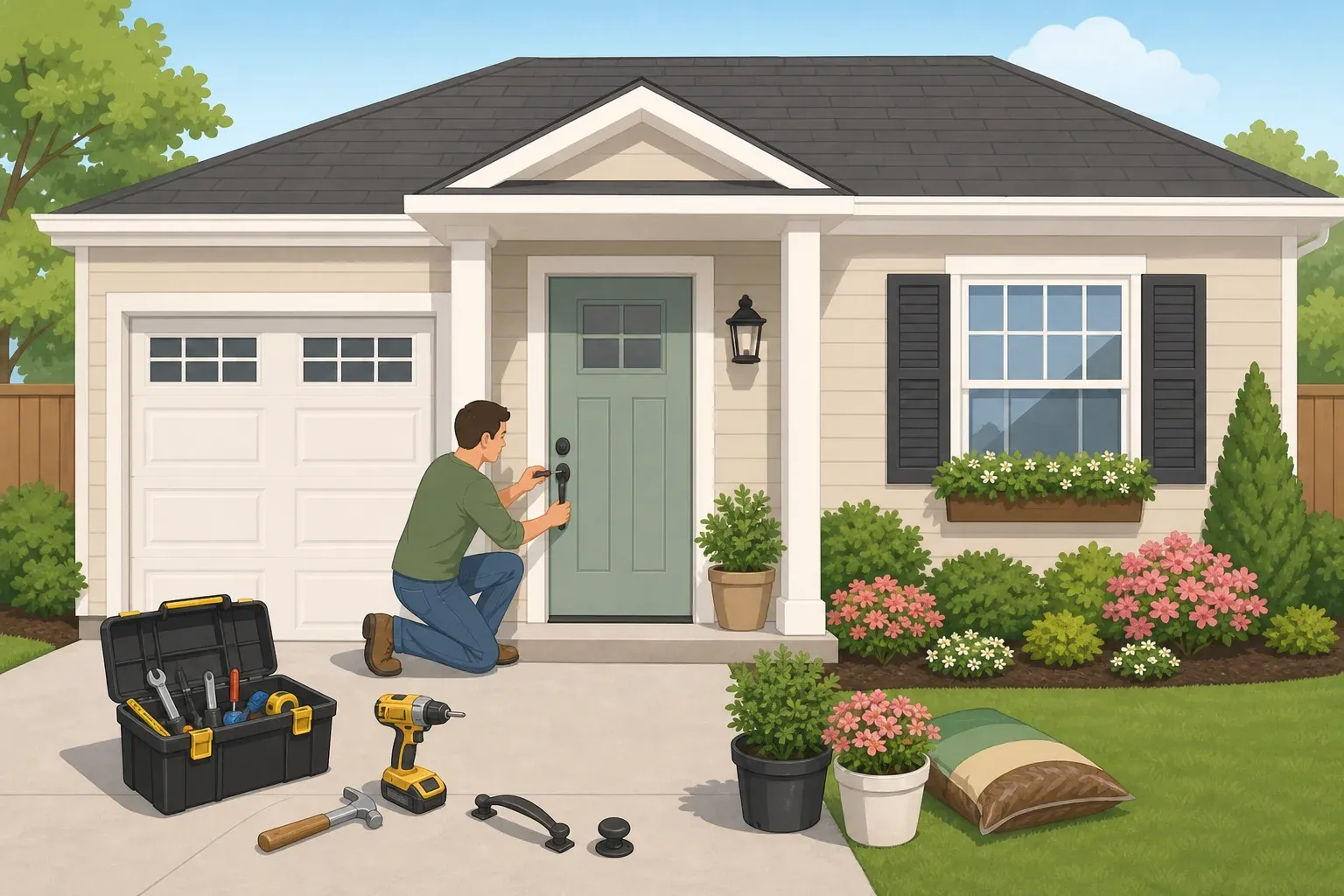
Start by fixing anything that could stall financing, insurance, or basic safety. Then spend whatever budget is left on the rooms and exterior details buyers actually see first, not a kitchen remodel.
Sellers working with a modest budget, often somewhere between $1,500 and $5,000, can get real traction by focusing on paint, landscaping, and hardware instead of big-ticket renovations, according to Opendoor. That approach also tends to sell homes faster: about half of real estate professionals surveyed said staged homes tended to sell more quickly than unstaged ones, per the National Association of REALTORS® staging report. Mid-range kitchen and bath remodels, by contrast, typically recover only 49% to 70% of what they cost, which rules out that kind of project when the goal is a fast, affordable sale.
This guide covers cheap fixes before selling your home in priority order, plus how to tell which items on a longer to-do list are genuinely optional. Most of it is beginner-to-intermediate DIY. Two categories, electrical work beyond a simple fixture swap and anything structural, belong to a licensed contractor.
What to check first: safety and financing dealbreakers
Before touching paint or hardware, sort the to-do list into two buckets: things that can stall a buyer's financing or insurance, and things that are purely a matter of taste.
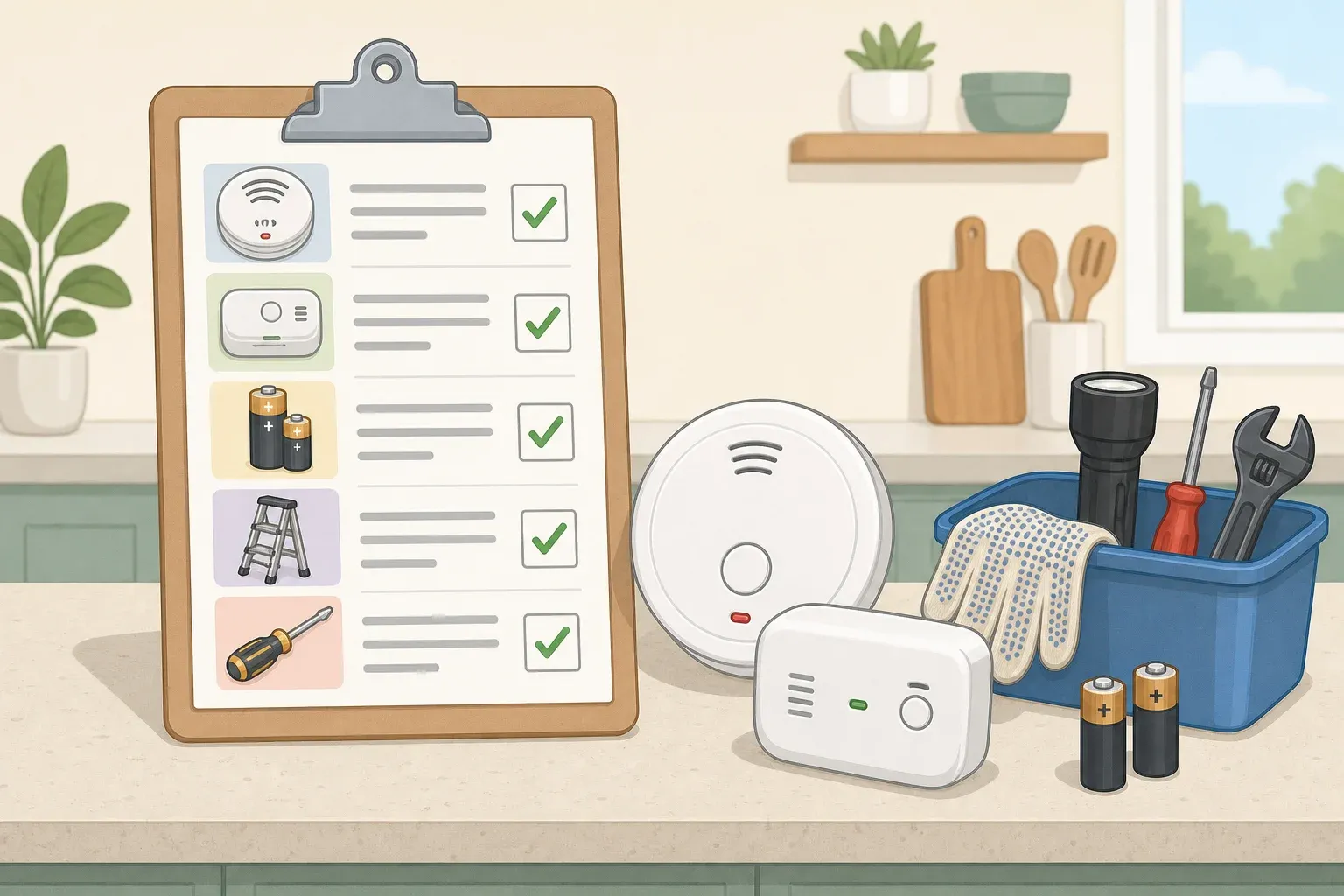
Gather a few basics before starting on any of these repairs: a small tool kit, replacement washers, a wax ring for the toilet, painter's tape, and a working flashlight for checking under sinks and behind fixtures. Then apply this decision tree to anything on the list: repair it yourself only if the problem is visible, isolated, and doesn't involve wiring, hidden water damage, gas lines, structural movement, or mold. If any of those apply, stop and call a licensed professional before doing anything else.
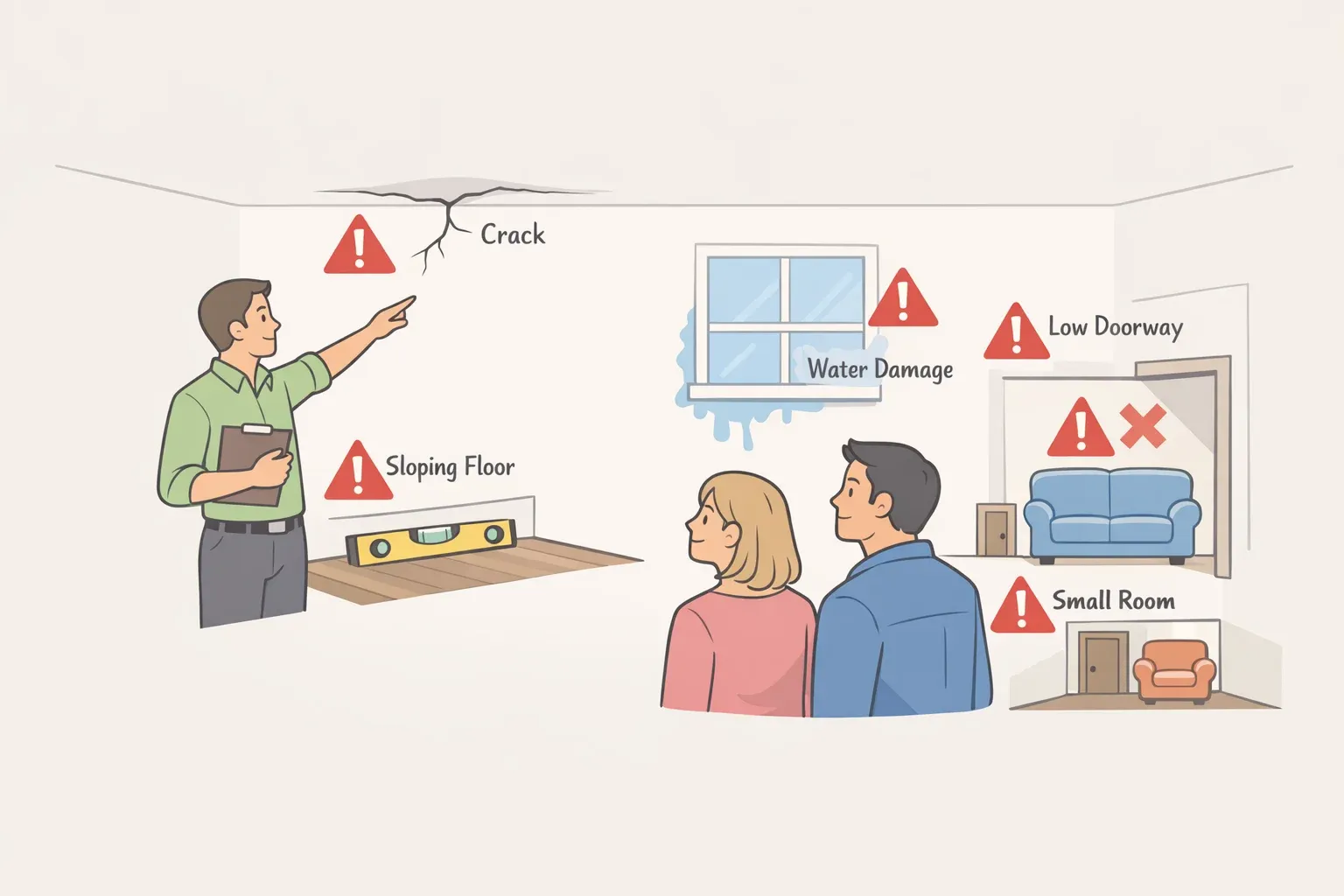
Active roof leaks, foundation problems, mold, major plumbing or electrical issues, and hazards like exposed wiring or loose railings are exactly the kind of red flags lenders key in on during underwriting. The loan type a buyer chooses can also force a repair that would otherwise sit on the skip-it pile: FHA and VA financing can require sellers to address an aging roof, wood rot, or a well or septic issue that turns up during inspection. A repair that looked optional yesterday can become mandatory the moment a specific buyer's loan program gets involved.
Basic safety equipment falls in the same non-negotiable category. Every state requires smoke detectors, and all but a handful require carbon monoxide detectors as well, while GFCI outlets are standard expectations in kitchens and bathrooms. These are cheap to install and not worth risking a failed inspection over.
One tool worth the upfront cost: a pre-listing inspection, typically $300 to $500, lets sellers find these problems on their own schedule instead of scrambling during buyer negotiations, per Opendoor.
The rule is simple. If a repair affects insurability, financing, or basic safety, it jumps to the top of the list no matter the budget. If it's purely a style preference, the next owner can probably live with it or change it themselves.
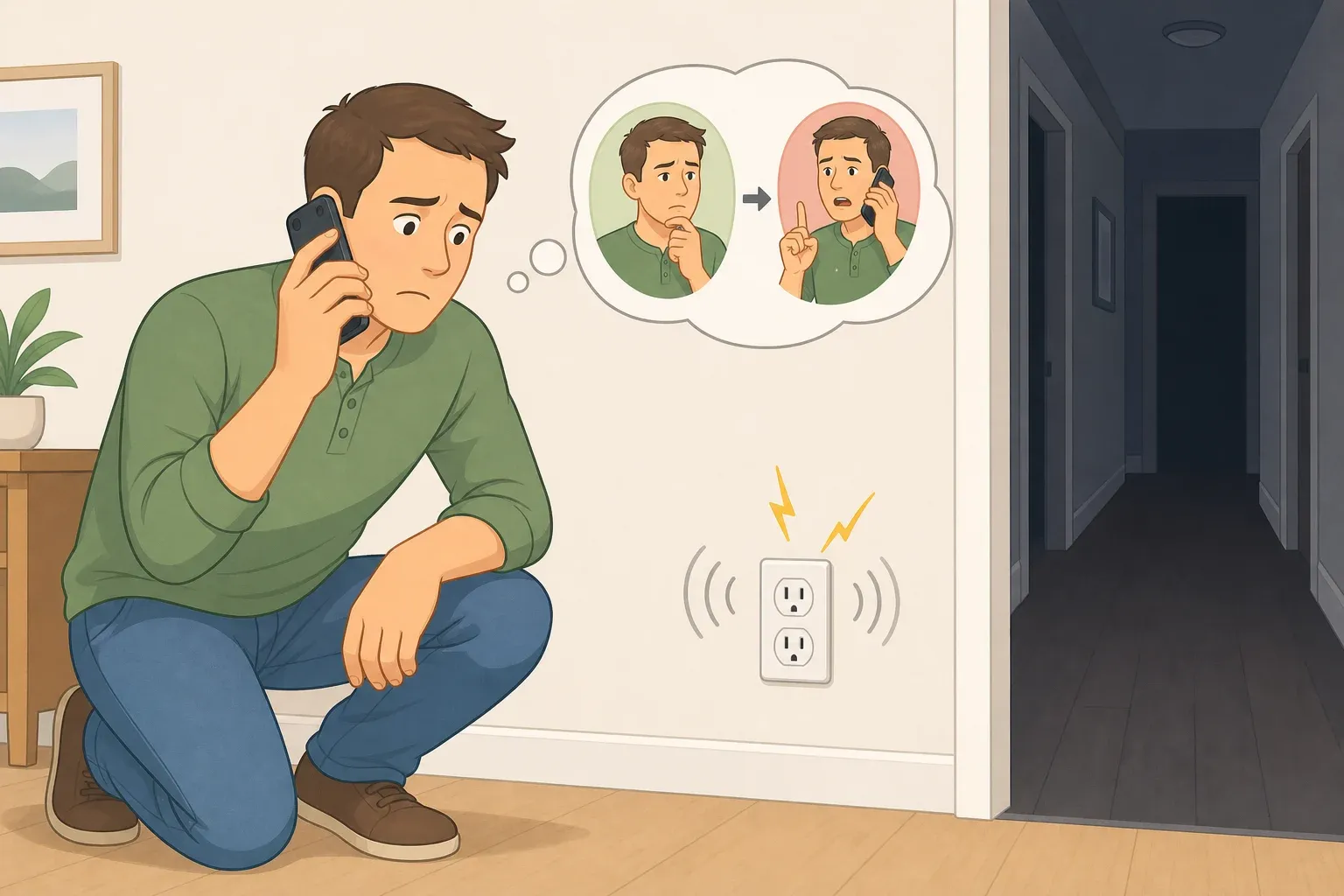
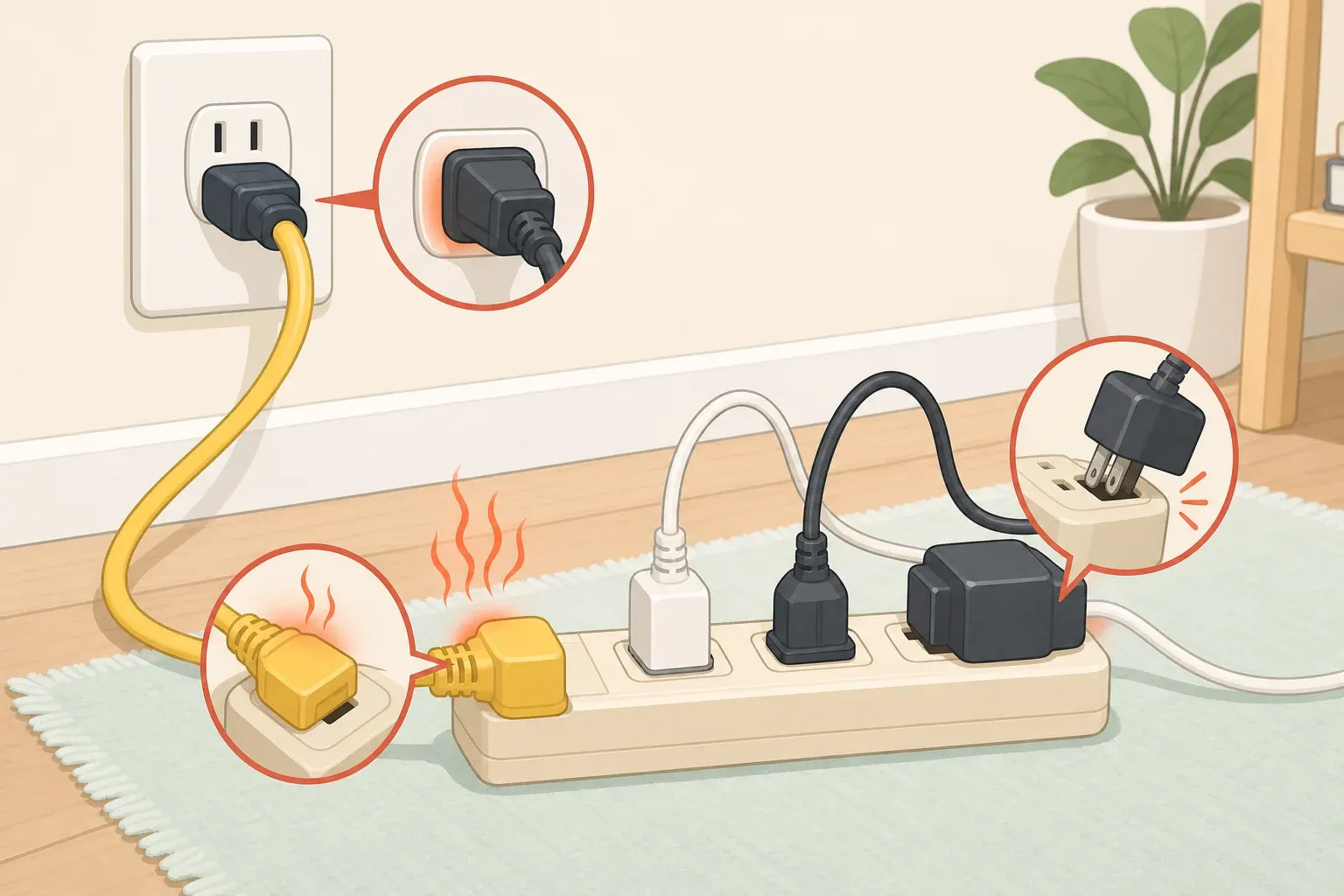
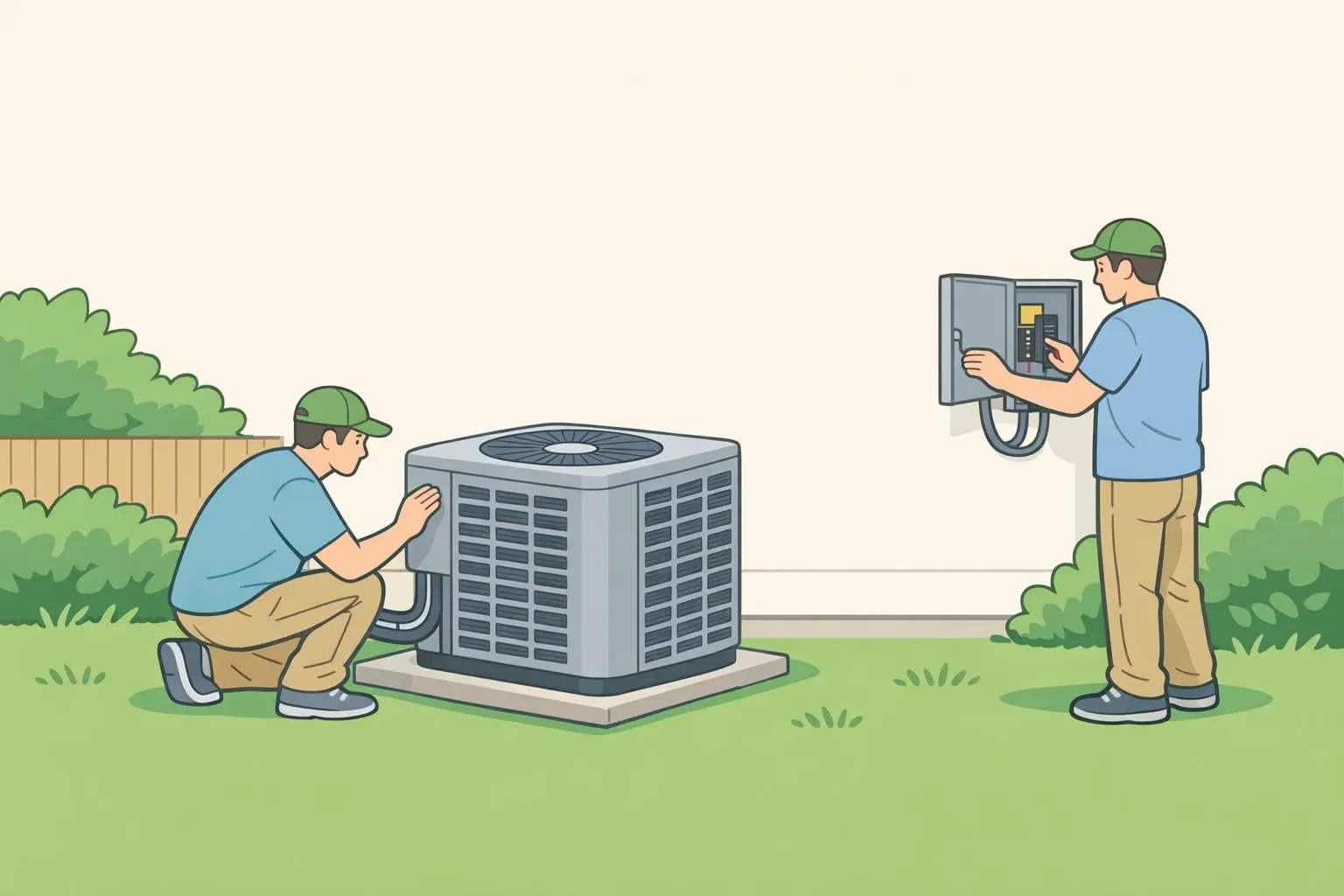
One warning before moving into the fix list: electrical work beyond swapping a light fixture, and any structural or foundation repair, goes to a licensed professional. Electrician fees average around $349, which is a small price against creating a fire hazard or a disclosure problem later.
Last-minute home repairs that help your house sell faster: 5 fixes in priority order
With the dealbreakers handled, here are the affordable repairs to make before selling a house that actually help, listed in priority order for a typical tight-budget listing. If an active leak, a lingering odor, or a safety issue shows up anywhere else in the house, move it to the top regardless of where it falls below.
1. Fix the small stuff that reads as neglect
Replace a leaky faucet's washers, swap out a toilet's wax ring, and stop every drip and running toilet before listing photos get taken. DIY this if the leak is at the faucet handle or the toilet base and the fix is a simple part swap. Call a plumber if water shows up under the cabinet, inside a wall, or you can't pinpoint the source, since that can point to a bigger problem behind the surface. Hiring one typically runs about $338. Unresolved small defects tend to resurface with every buyer if the house doesn't sell right away. Success looks like no visible drips, no running-water sound anywhere in the house, and caulk around tubs and sinks that looks clean instead of cracked or moldy.
2. Repaint key rooms in neutral tones
Focus on the entry, living room, and kitchen, since these are the rooms buyers will see in listing photos. A soft neutral repaint is a straightforward weekend DIY job, and even a project like painting dated cabinets white runs about $938 on average. It's one of the more reliable low-cost home improvements before selling: fresh interior paint is cited at roughly 100% ROI, with exterior paint and landscaping landing between 100% and 200% ROI, according to Opendoor. Light and brighten with neutral paint and new hardware instead of starting a kitchen remodel. Before painting over any water stain or bubbling patch, figure out what caused it; painting over an active leak just hides the problem. In these main rooms, aim to cover scuffs, bold colors, and glossy finishes; a scuff in a back bedroom or basement that won't be photographed doesn't need the same treatment.
3. Update cheap, high-impact fixtures and hardware
Swap dated cabinet hardware (roughly $30 a piece), hang a new pendant or table light over the kitchen table, and replace builder-grade bathroom lighting along with a plain sheet mirror. Pendant lights can run as low as $50 a piece, a mirror update lands around $130, and sconces run about $90. Light fixtures are the least expensive thing to do in a bathroom. DIY this if the new fixture connects to the same wiring in roughly the same way as the old one. Call an electrician if the wires look frayed, there's no ground wire, or the new fixture needs a different circuit than what's already there. Success looks like fixtures that match or complement each other, with no exposed old wiring or gaps left from the swap.
4. Reset curb appeal at the front entry
Pressure-wash the driveway and exterior walls, repaint the front door if it's faded, and add a couple of potted plants near the entrance. A pressure washer rental runs about $79, front door paint about $190, and potted plants around $40. This is straightforward DIY, though it pays to keep the pressure washer nozzle far enough back that it doesn't strip paint or force water under siding. This step matters early because most buyers start their search online, and one in three buyer's agents said clients were more likely to schedule a showing after seeing a staged home online. Success looks like a clear, clean entry path and door hardware that isn't loose or tarnished.
5. Deep clean and declutter every room buyers will photograph
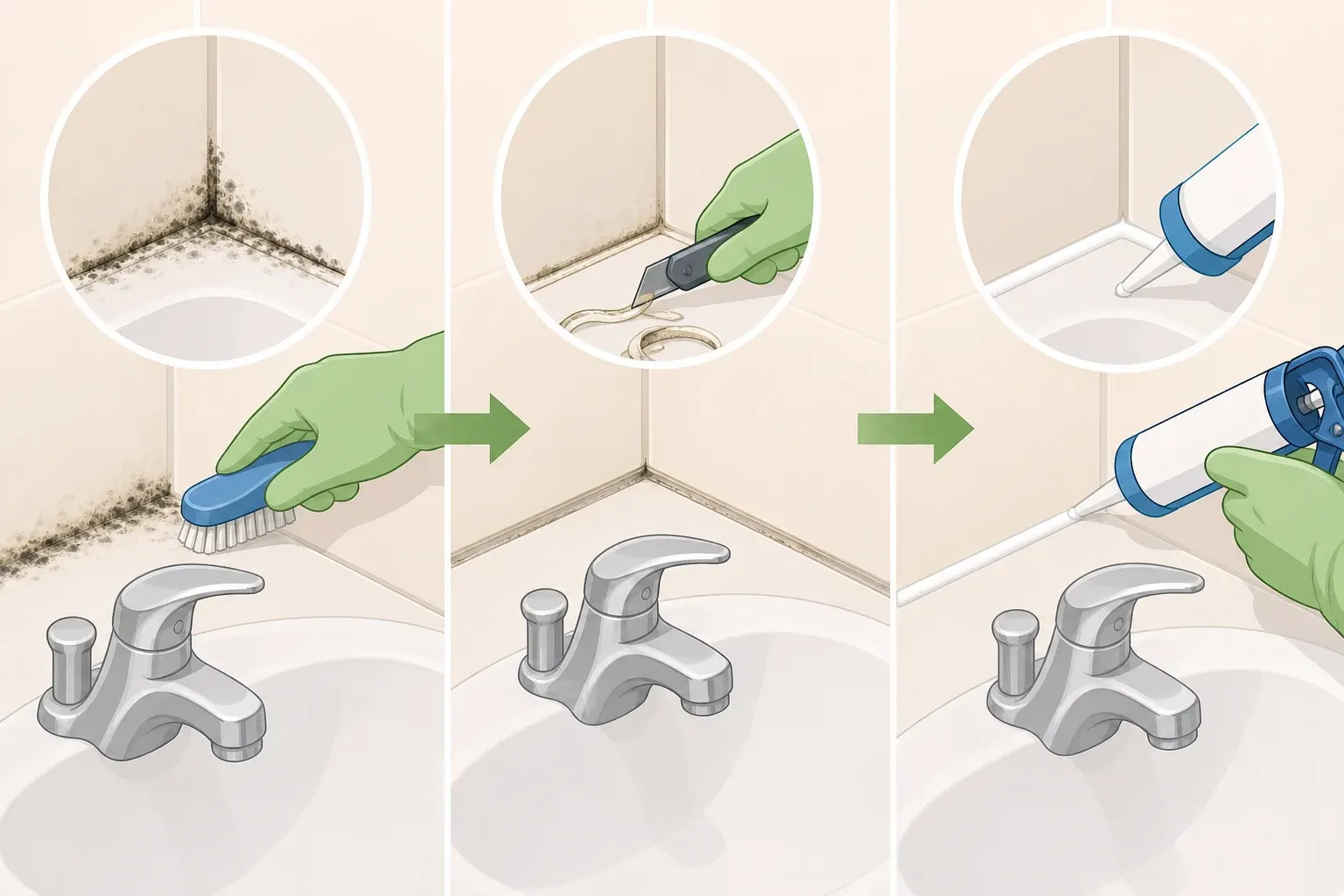
Clean grout, re-caulk tubs and showers, clear out clutter and personal items, get carpets professionally cleaned rather than replaced, and remove pets during showings. NAR's surveyed agents most commonly recommended decluttering, full-home cleaning, minor repairs, and carpet cleaning ahead of a listing; re-grouting tile and clearing pets from the house during showings also made their list. Unless carpet is extremely worn or stained, professional cleaning does the job; replacing it with cheap new carpet is likely to get torn out by the buyer anyway. This is all DIY-friendly, but if mildew keeps coming back in a bathroom after cleaning, that can signal a hidden moisture problem worth having checked. Success looks like rooms that photograph bright and free of personal clutter, with no lingering pet odor or visible mildew in the bathrooms.
What not to fix: skip these costly upgrades when you're short on time
The five fixes above are generally lower-risk ways to improve condition and presentation without committing to a major remodel. A full kitchen renovation is a different story: it's unlikely to recoup its full cost at sale, and it isn't a two-week job either. Vancouver-based real estate firm Rain City Properties cites a contractor's published range of $60,000 to $120,000 for a full kitchen gut job, and notes that in its own Metro Vancouver market, trade scheduling delays during peak season have pushed some sellers past an entire selling season.
The same logic applies to smaller-but-still-pricey items. Appliances that work but look dated, older windows that still open and close properly, and flooring that's worn but intact generally don't need replacing, since buyers with their own preferences tend to swap them out once they own the place.
A rule of thumb for any project under consideration, and a good filter for what counts as a budget-friendly repair that helps sell a house: if it costs more than roughly 1% of the home's value and is expected to return less than 75% at sale, it's a strong candidate to skip, according to Opendoor.
One caveat matters more than the cost math. A half-finished renovation at listing time is worse than no renovation at all; if a project can't be completed before the photographer shows up, don't start it. For anything more involved, a listing agent can help run a cost-benefit analysis before a seller commits, since what buyers expect varies quite a bit from one local market to another.
Finish-line guidance
Clear the safety and financing dealbreakers first. Then work through the five fixes, moving any active leak, odor, or safety issue to the front regardless of its spot on the list. That sequence gets the most out of a limited budget without wasting a weekend on the wrong project.
A house doesn't need to look renovated to sell fast. It needs to look clean, safe, and move-in ready. Nearly a third of surveyed agents linked staging-level presentation to a 1% to 10% value bump, and 83% said it helped buyers picture themselves living there.
If something bigger turns up mid-project, water damage behind a wall, exposed wiring, a soft spot in the subfloor, stop working immediately. Call a licensed plumber or electrician, then loop in the listing agent before deciding whether to fix it or disclose it and adjust the asking price accordingly.
Don't chase every cosmetic flaw outside the rooms buyers will actually photograph. Chipped paint on a back wall, dated tile, or a few settlement cracks in the driveway don't need attention unless they're a genuine trip hazard or a sign of a structural problem, according to Inman. Fix what's broken and unsafe, freshen what buyers will actually notice in the entry, living room, kitchen, and bathrooms, and let the next owner handle the rest.










Comments
Be the first, drop a comment!