



Essential home maintenance and repair tips: 7 safety checks
Most home emergencies don't start as emergencies. They start as a skipped check: a leak nobody dried out, an alarm nobody tested, a dryer vent nobody cleared. This list of essential home maintenance and repair tips covers seven specific checks built around the three risks that cause the most damage in an ordinary home: fire, water damage, and carbon monoxide poisoning.
The numbers behind those risks are worth sitting with. An estimated 360,300 residential fires break out in US homes every year, causing roughly 2,390 deaths and $7.34 billion in property damage, according to CPSC estimates. Generator-related carbon monoxide poisoning alone kills close to 100 people in the US each year, CPSC reports.
This guide lays out seven preventive home maintenance tips as a trackable checklist: fixing leaks and drying wet materials immediately, cleaning small mold the day it appears, testing smoke and CO alarms monthly, cleaning the dryer lint filter and vent, scheduling an annual professional inspection of fuel-burning equipment, using portable heaters correctly, and running generators safely during outages. Six of these fall under common home repairs you can do yourself, no special skill required. One, inspecting furnaces and chimneys, is professional-only by design, and that boundary gets flagged right where it matters instead of buried in a disclaimer up top.
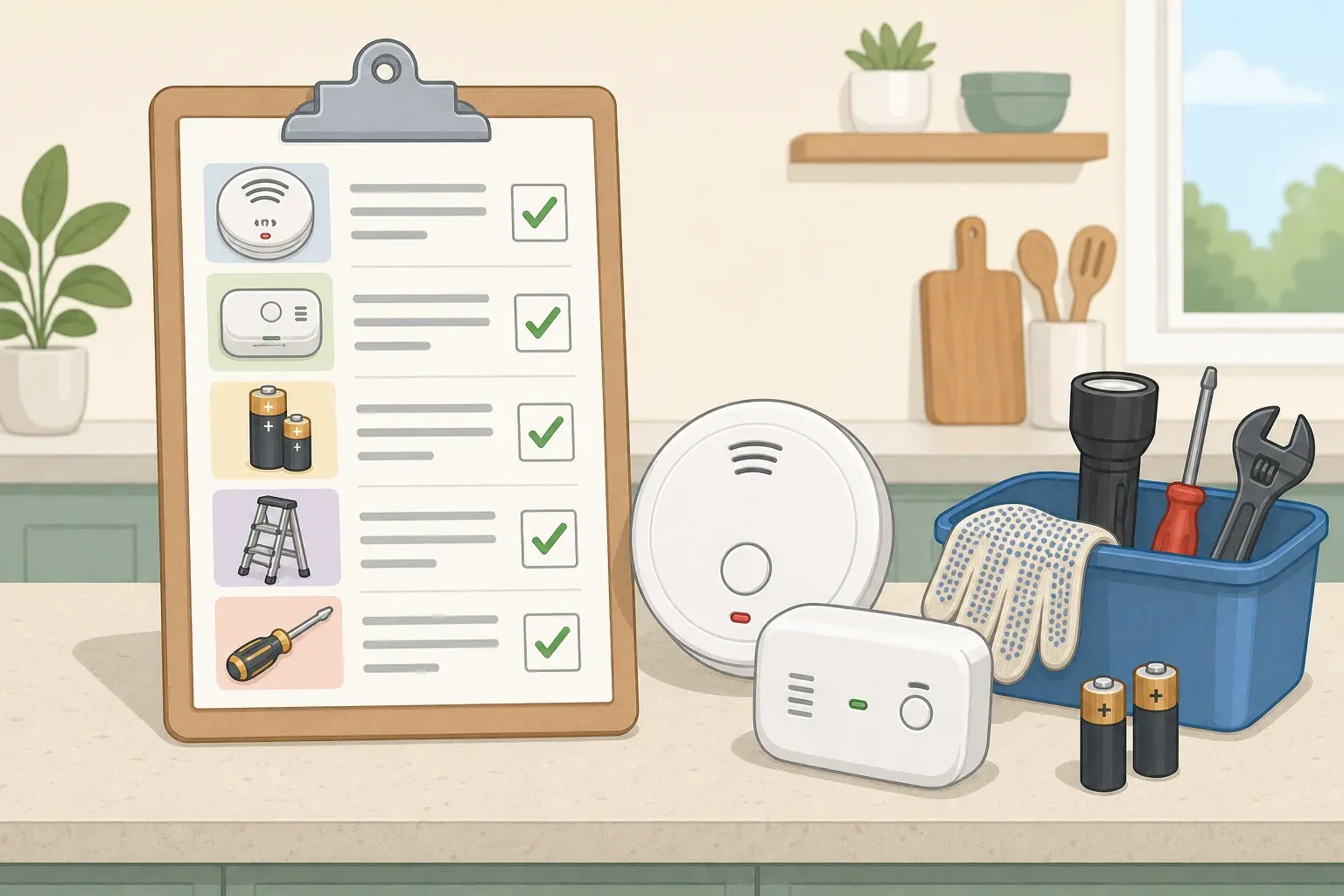
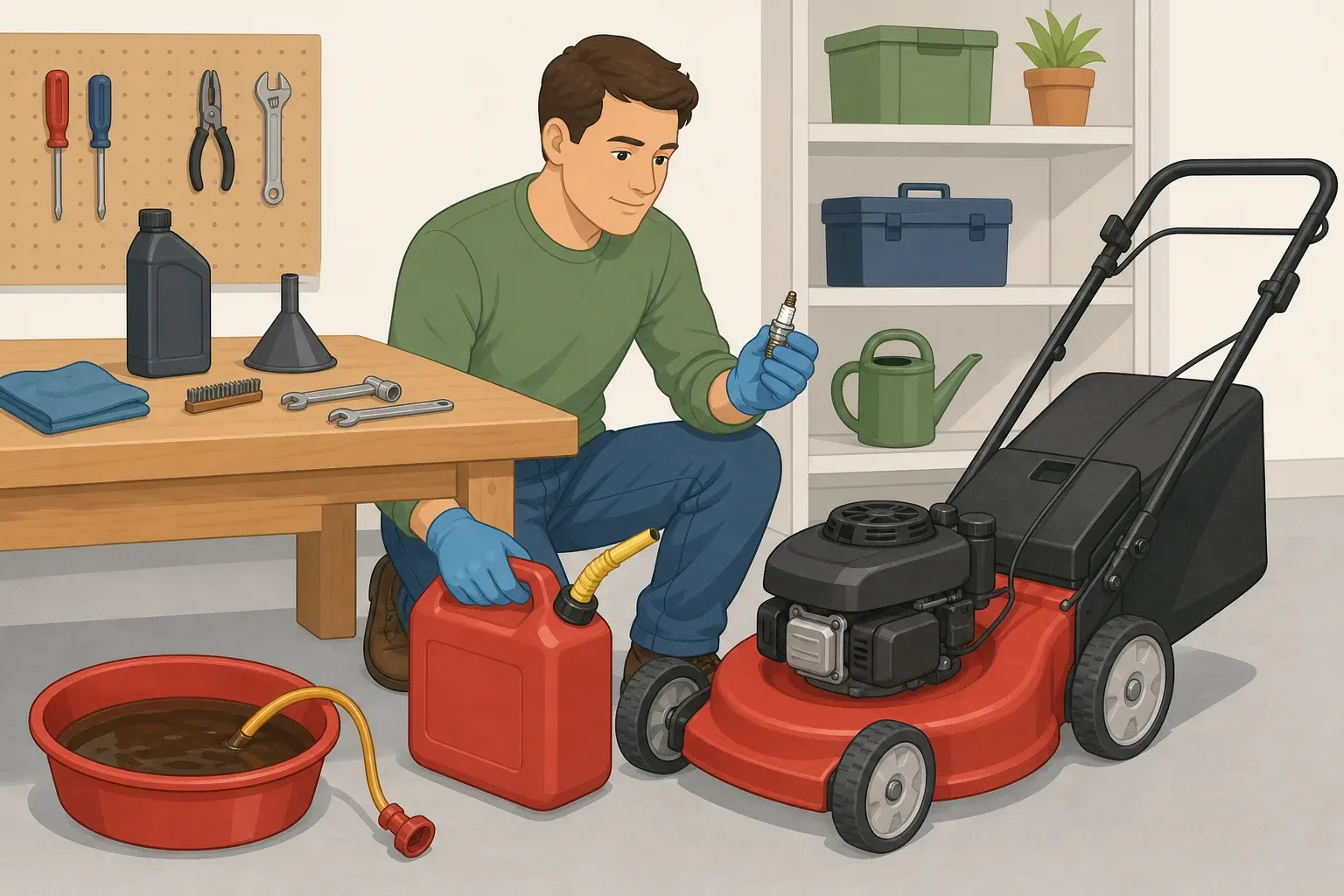
To work through all seven, this basic home maintenance checklist calls for a flashlight, dish detergent and a scrub brush, a dry cloth or fan, a vacuum with a hose attachment or vent-cleaning brush, spare alarm batteries, and, if applicable, the owner's manual for any generator in the garage. Nothing here requires specialized tools beyond that, except the one step that means hiring a professional.
Fix water problems and small mold before they spread
1. Stop leaks and dry wet materials immediately
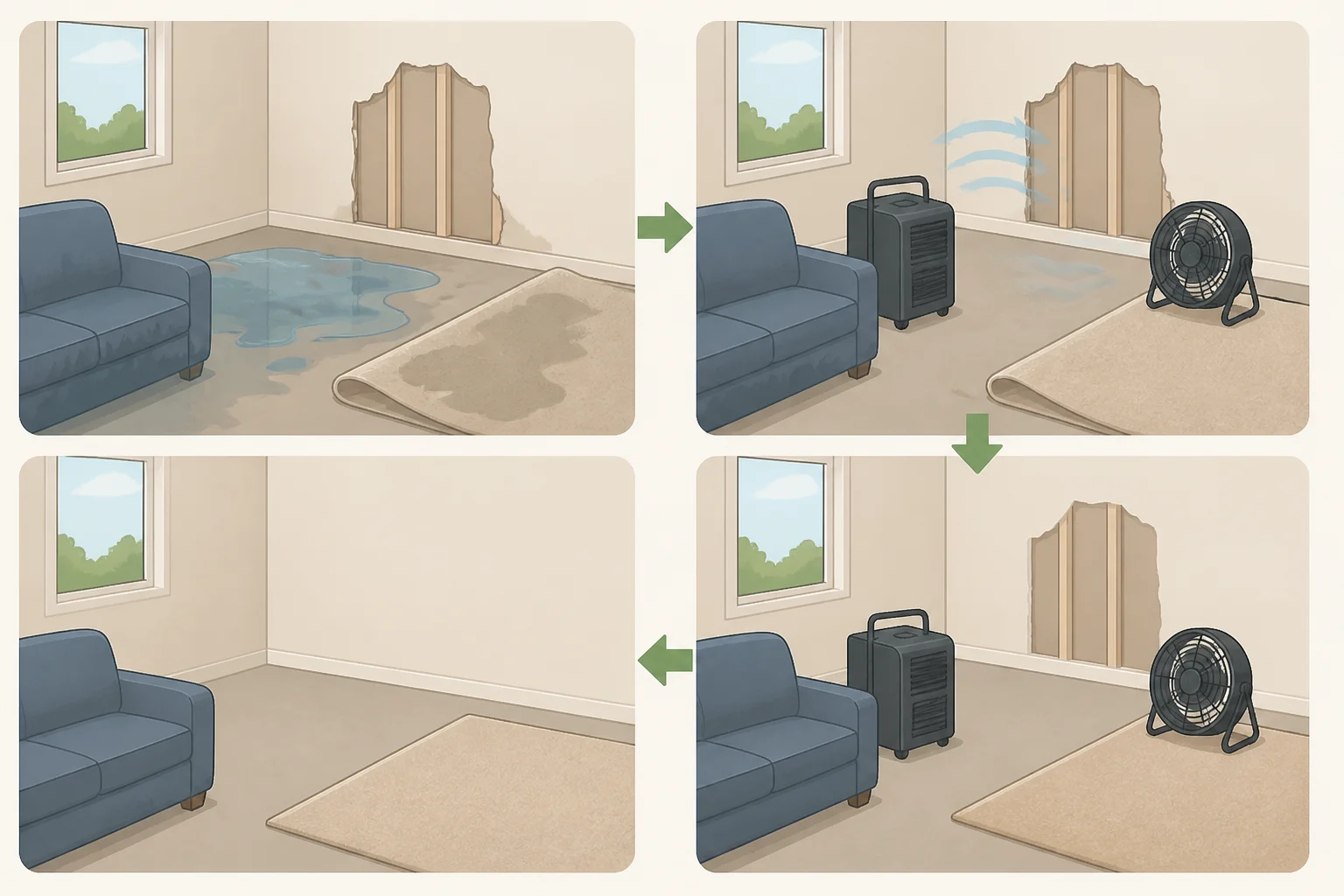
Do this: Shut off the water source if there is one, then dry all affected items, furniture, carpet, and drywall completely. The EPA is blunt about timing: fix plumbing leaks and other water problems as soon as possible, because mold damages whatever it grows on and the longer it's left, the worse the damage gets. Standing water and wet materials become a breeding ground for bacteria, viruses, and mold, and those organisms can trigger allergic reactions and keep damaging materials long after the original leak or flood, per the EPA.
Check for: Keep drying with a fan, open windows, or a dehumidifier until the material feels and smells fully dry, not just dry on the surface. Carpet padding or drywall that still feels cool or damp needs more airflow before it's actually done.
Call a pro when: the leak caused significant water damage beyond a quick dry-out. The next check explains exactly where that line sits for mold.
2. Clean mold under 10 square feet, and know when to stop
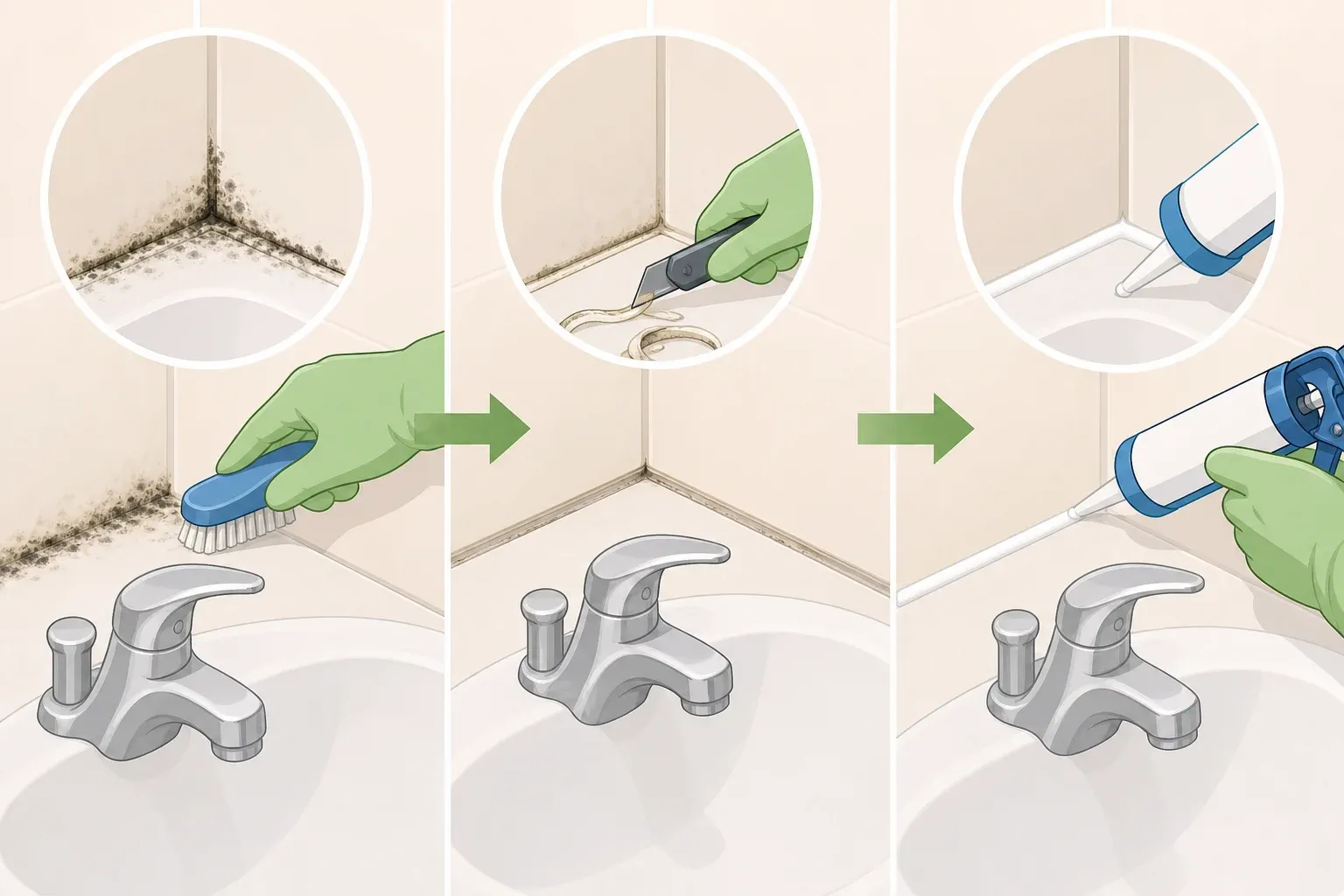
Do this: Scrub mold off hard surfaces with detergent and water, then let the area dry completely before repainting or caulking. Paint applied over a moldy surface is likely to peel, the EPA notes. Most homeowners can handle this themselves when the patch is smaller than about 10 square feet, roughly a 3-foot by 3-foot area, according to the EPA.
Check for: Porous materials like carpet and ceiling tiles may need to be thrown out rather than scrubbed, since mold can grow into spaces a brush can't reach, the EPA explains. If mold keeps coming back in the same spot, a shower is the classic example, running a fan or cracking a window and cleaning more often will usually keep it under control.
Call a pro when: the mold covers more than roughly 10 square feet or followed major water damage. That calls for the EPA's separate mold remediation guidance rather than a basic cleanup. Also, skip running the HVAC system if it's known or suspected to be contaminated with mold; doing so can spread mold through the whole house until it's been inspected.
Build two habits: monthly alarm tests and per-load dryer care
These two cost nothing and take minutes, which is exactly why they get skipped.
3. Test smoke and CO alarms every month
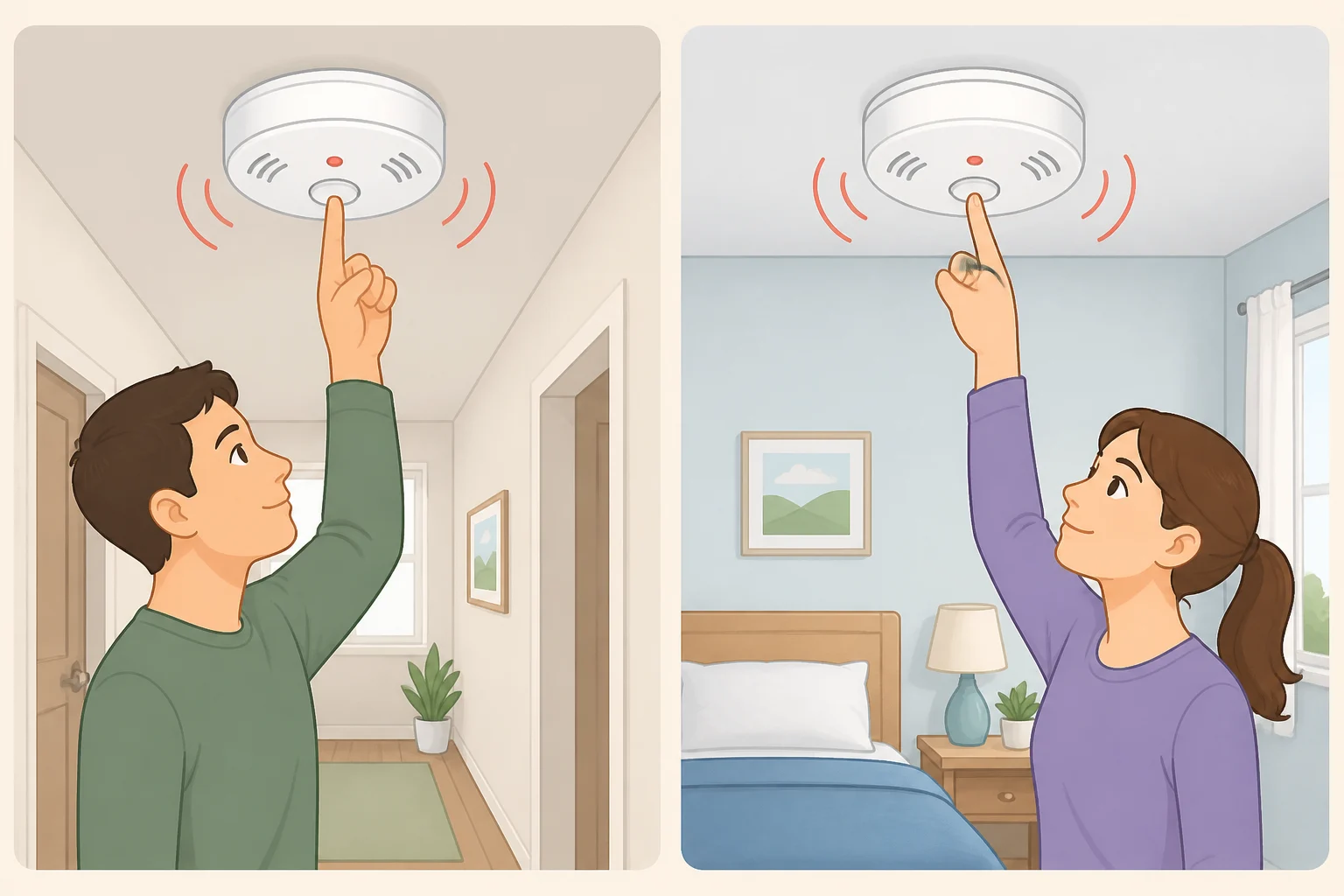
Do this: Press the test button on every alarm. Smoke alarms belong on every level of the home and inside each bedroom; CO alarms belong on every level and outside sleeping areas. Interconnected alarms, where one sounding triggers all of them, are the preferred setup, according to CPSC. Replace batteries at least once a year unless the unit has a sealed 10-year battery.
Check for: Each alarm should sound immediately when tested. If one doesn't respond even after a fresh battery, check the manufacturer's instructions before replacing it; some units have specific troubleshooting steps or expiration dates built in.
If one ever sounds for real: get outside immediately and call 911 before trying to figure out why.
4. Clean the dryer lint filter every load, the vent pipe once a year
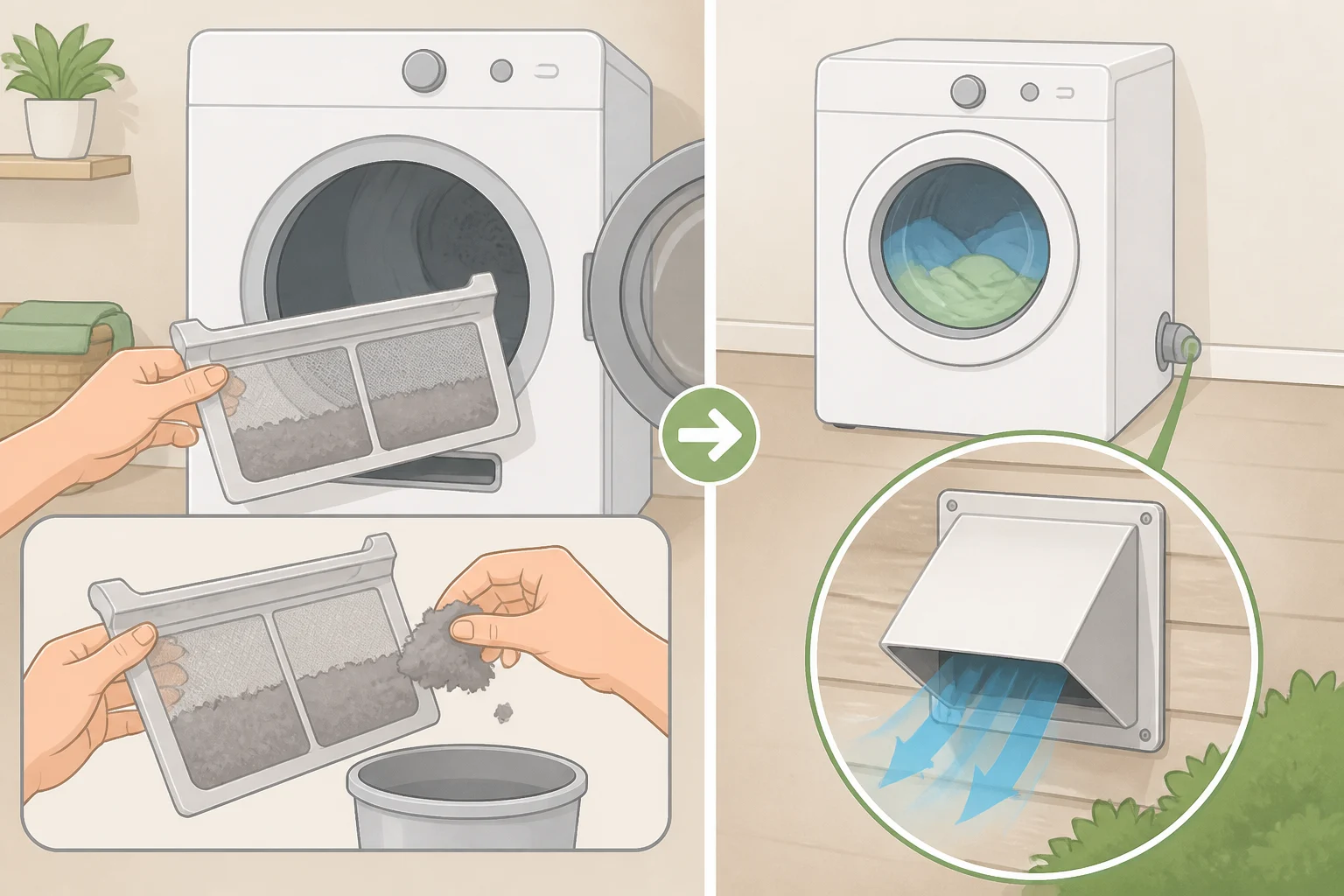
Do this: Clean the lint filter before or after every load, and never run the dryer without it in place. Lint buildup restricts airflow, so check that the outdoor vent flap opens freely while the dryer runs, and clear lint out of the full vent pipe at least once a year, CPSC advises.
Why it matters: clothes dryers cause an estimated 6,400 fires annually, about 180 injuries, and nearly $105 million in property damage, according to CPSC data.
Check for: a normal load should dry within its usual cycle time. Clothes still damp after a full cycle, or a dryer exterior that feels unusually hot, can point to a blocked vent pipe worth checking before the next load.
Schedule the one professional-only check
Everything above is homeowner territory. This one isn't, and that's by design.
5. Get fuel-burning equipment inspected annually
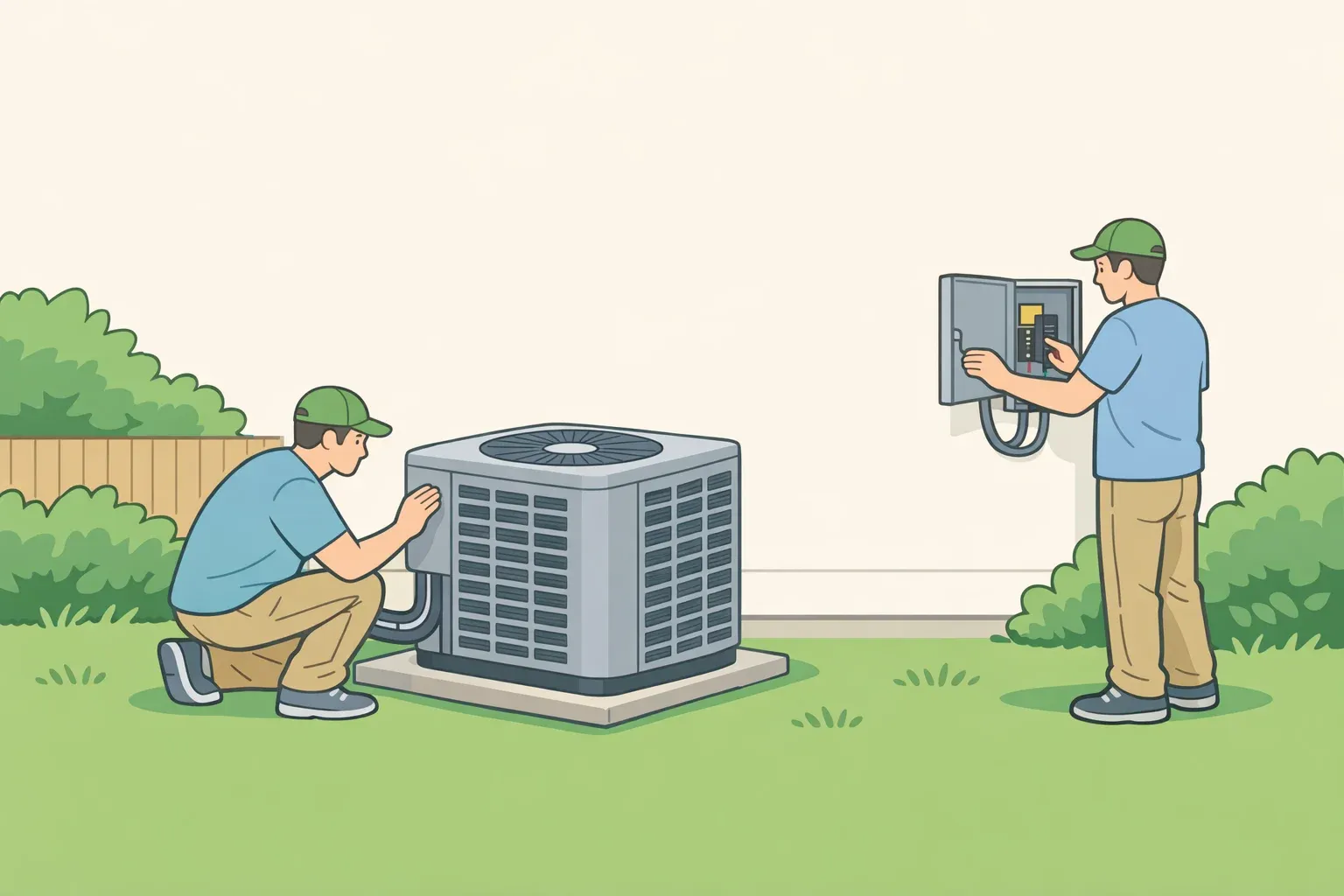
Do this: Schedule a professional to inspect furnaces, boilers, fireplaces, wood stoves, water heaters, chimneys, flues, and vents once a year. This is CPSC's standing recommendation, not an optional upgrade for the extra-cautious.
Why it matters: fireplaces and chimneys alone are tied to an average of 15,400 fires, 30 deaths, and 90 injuries a year, often from cracked or blocked chimneys, creosote buildup, or stray embers reaching something flammable, CPSC estimates. These systems can produce odorless, colorless carbon monoxide when installed incorrectly, poorly maintained, or blocked.
Homeowner's role between inspections: clear snow away from exterior vents on fuel-burning appliances so carbon monoxide doesn't build up indoors, CPSC recommends. That's as far as this goes for an ordinary homeowner. Opening, cleaning, or repairing the appliance itself is work for a professional, not a weekend project.
Use heaters and generators safely every time
The first five checks build protection over time. These last two are about getting it right in the moment.
6. Use portable heaters correctly, every time
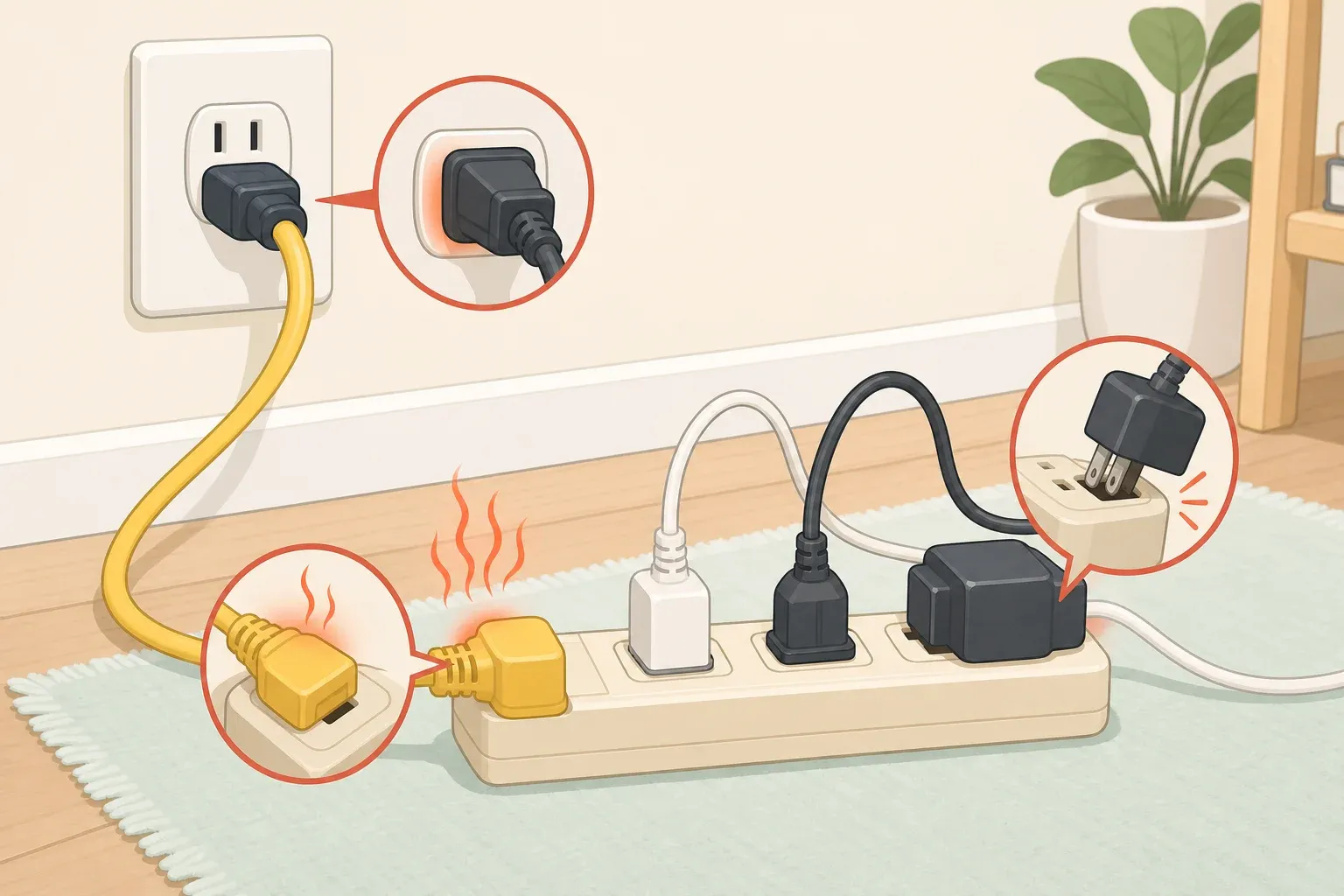
Do this: Keep every side of the heater at least three feet from beds, curtains, furniture, and anything else that burns, and set it on a stable, level surface where it can't be knocked over, per CPSC. Plug it straight into a wall outlet, never an extension cord or power strip, and never route the cord under a rug or carpet.
Check for: turn the heater off before going to sleep, and never leave one running unattended in a small, closed-off room. Portable heaters are involved in an estimated 1,600 fires, 70 deaths, and 150 injuries a year, CPSC's data shows.
Mistake to avoid: for fuel-burning models, never refuel while the unit is running. Shut it off and let it cool first.
7. Use generators safely, and prep them before you need them
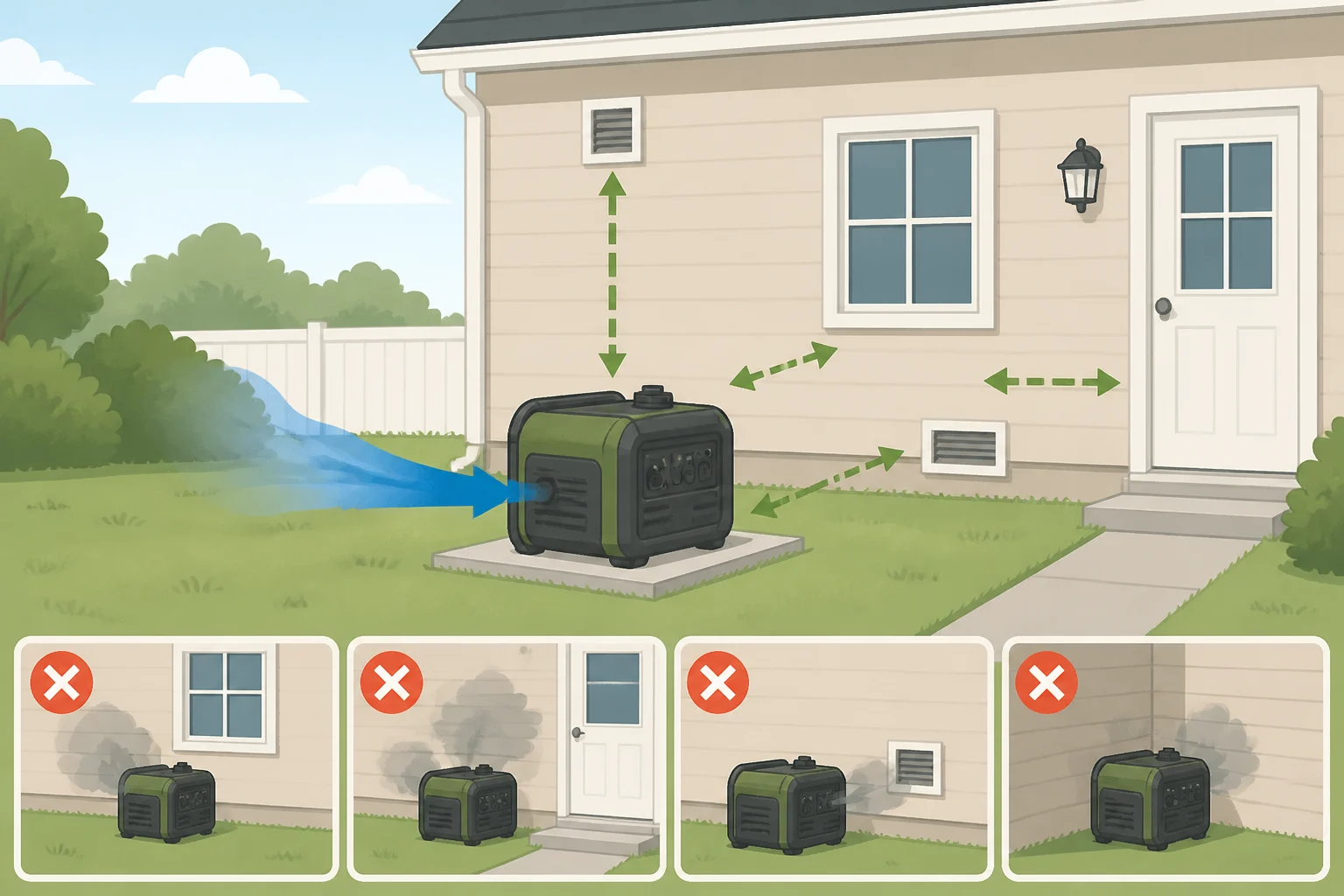
Do this: run generators outdoors only, at least 20 feet from the house, with exhaust pointed away from windows, doors, and vents. Opening windows and doors does not provide enough ventilation to prevent lethal CO buildup indoors, and CO poisoning from a gasoline-powered generator can kill in minutes, CPSC warns.
Check for: never refuel a generator while it's running; shut it down and let it cool first. In wet weather, follow the manufacturer's instructions, which may call for an NFPA-rated generator tent or simply waiting out the rain. When shopping for a unit, look for one with a CO shut-off safety feature; models certified to the PGMA G300-2023 and UL 2201-2023 standards include CO safety technologies designed to significantly reduce poisoning risk, CPSC notes.
Scope boundary: running a generator outdoors is homeowner work. Wiring it into the house's electrical system is not, and that hookup should follow the manufacturer's instructions with a qualified electrician, not an improvised connection.
Before an outage: test alarms, review the generator's manual, and confirm backup power and emergency supplies work before severe weather arrives, CPSC recommends.
Call a pro when: an appliance got wet in flooding. Don't touch it while it's still plugged in. Have a professional inspect and replace any gas control valves, wiring, breakers, or fuses that were submerged before using them again, per CPSC. If there's any smell or sound of a gas leak, leave immediately, skip the light switches and the phone, and call the gas company once outside.
Readers who want a deeper, Minnesota-specific storm plan can look at a resource like the University of Minnesota Extension's climate checklists, built with architecture and engineering specialists around wind, flooding, heat, wildfire, and snow risk.
A basic home maintenance checklist to follow all year
These seven checks sort cleanly into a calendar. Test every smoke and CO alarm monthly, and clean the dryer lint filter after every load.
Once a year, clear the dryer vent pipe, swap alarm batteries, and schedule a professional inspection of furnaces, chimneys, fireplaces, and vents. Handle leaks and small mold the same day they show up, and clear snow from exterior vents after storms. Test alarms and review the generator's manual before severe weather arrives, then stick to the three-foot and 20-foot rules whenever a heater or generator is actually running.
Call a professional without hesitation when mold covers more than roughly 10 square feet or followed major flooding, when it's time for the annual fuel-burning equipment inspection, when anything electrical or gas-related got wet, or when a gas leak is suspected. Stop using any device tied to one of those situations until it's been checked.
None of the other six checks call for special tools or advanced skill. Set the monthly alarm test and the per-load lint filter habit as standing reminders today, then add dryer-vent cleaning and the fuel-equipment inspection to the calendar for later this year. The rest only come up when something happens, a leak, a storm, a power outage, so keep the supplies gathered and the method in mind rather than overthinking any one step.


Comments
Be the first, drop a comment!