




iFixit Megalodon Driver Kit: What It Fixes and What It Can't
iFixit on Tuesday launched the $34.95 Megalodon Driver Kit, a household-focused toolkit designed for appliances, furniture, and the assorted fasteners buried inside both. The company describes it as a "compact kit for the modern home," a different audience from the phone teardowns and laptop repair guides that built its reputation. The context is worth stating plainly: three in five Americans had a major appliance fail in the five years prior to 2024, and more than half replaced rather than repaired it, according to Consumer Reports survey data.
The kit addresses a genuine physical problem. Appliances are full of deep-set fasteners that a standard drawer screwdriver can't reach, and the Megalodon was designed around that specific constraint. But iFixit's own investigation into appliance repair access, conducted at the FTC's request alongside PIRG, found that only 7 of 50 appliance manufacturers made service manuals publicly available. The company ends its launch post with a flat admission: "Megalodon is not a law" (iFixit).
That tension runs through everything that follows. The kit is a real product solving a real problem. It's just not the only problem, or even the largest one.
What the iFixit Megalodon Driver Kit includes
The kit ships with a redesigned driver and 16 extended-reach 2-inch bits: Phillips sizes 0 through 2, a 6mm Flathead, TR10 through TR25 security bits, Hex bits in 4mm, 5mm, 6mm, and 1/8-inch, Square 1 and 2, a 5/16-inch nut driver, and a quarter-inch socket adapter. iFixit says the bits were "hand-selected" to cover the fasteners people actually encounter during household repair, furniture assembly, and general DIY (iFixit). Everything comes in a plastic case with a magnetic lid that doubles as a screw-sorting tray mid-job; the foam insert uses laser-etched labels so bits are identifiable without squinting (The Verge).
The 2-inch shanks are the core functional argument. Standard bits can't reach fasteners set deep in plastic bosses or buried inside appliance housings; the longer shanks are designed to get there. The driver's Swivel Grip Cap addresses a separate annoyance: it spins freely when running a screw out, then locks when the user pushes down to apply torque, removing the need to flip a ratchet direction switch. iFixit's product development lead Brett Hartt described the classic ratchet failure mode: "I always have it set on the wrong side, and when I go to twist, it just goes, click-click-click" (iFixit).
The design brief, per Hartt, came down to more reach, more control, more torque, and a footprint small enough to live in a drawer. The target: "things you would encounter in your house."
No independent hands-on tests or comparative benchmarks exist yet. Performance claims about the Swivel Grip Cap come from iFixit and descriptive launch coverage, so the design rationale is worth presenting clearly while conclusions about real-world superiority remain unverified.
Where the iFixit appliance repair toolkit helps, and where it runs out of road
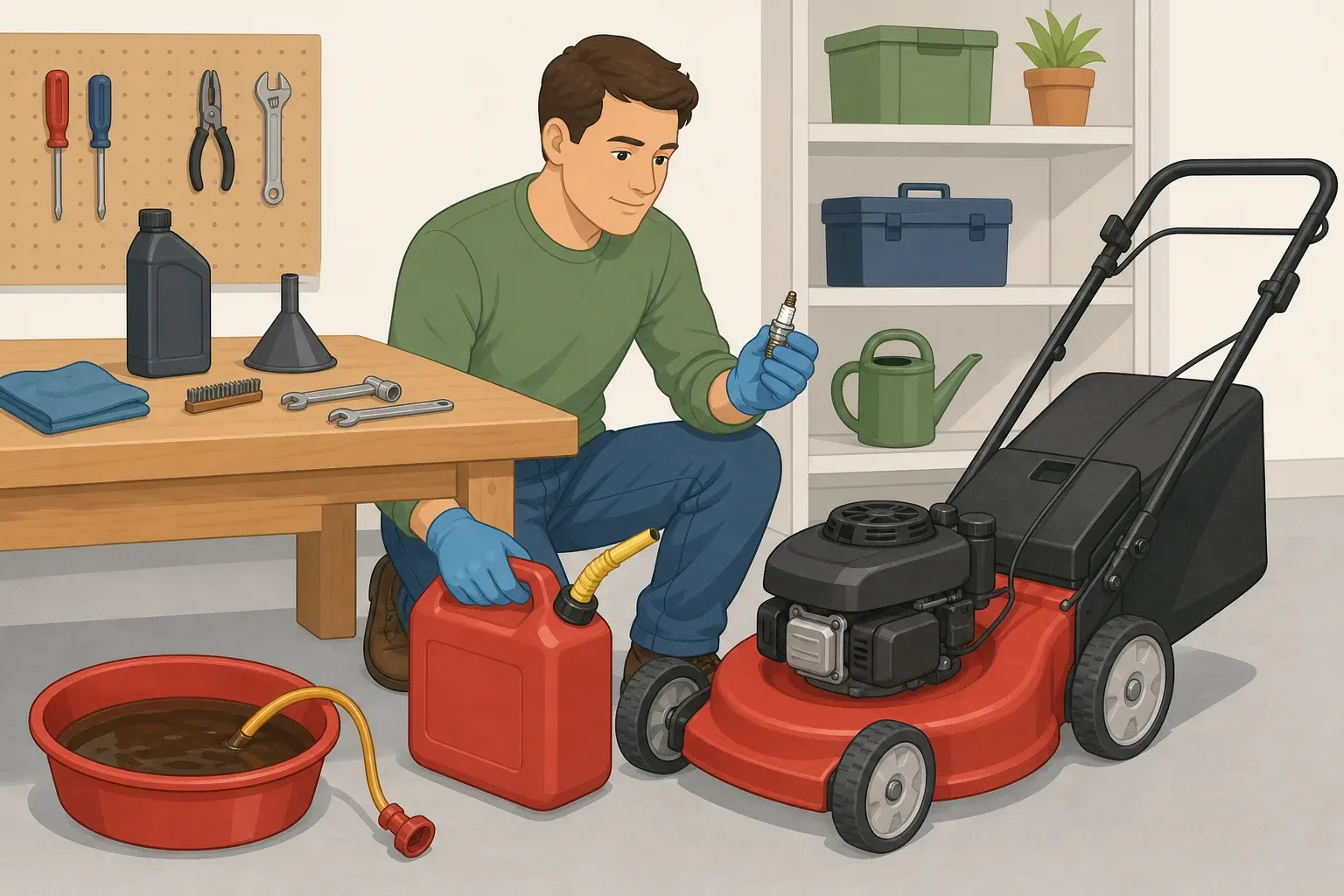
For jobs that are physically accessible replacing a dryer heating element, swapping a dishwasher door latch, tightening loose panel screws a compact kit with extended-reach bits and a no-fumble driver is designed to make that work easier. That's the category the Megalodon was built for.
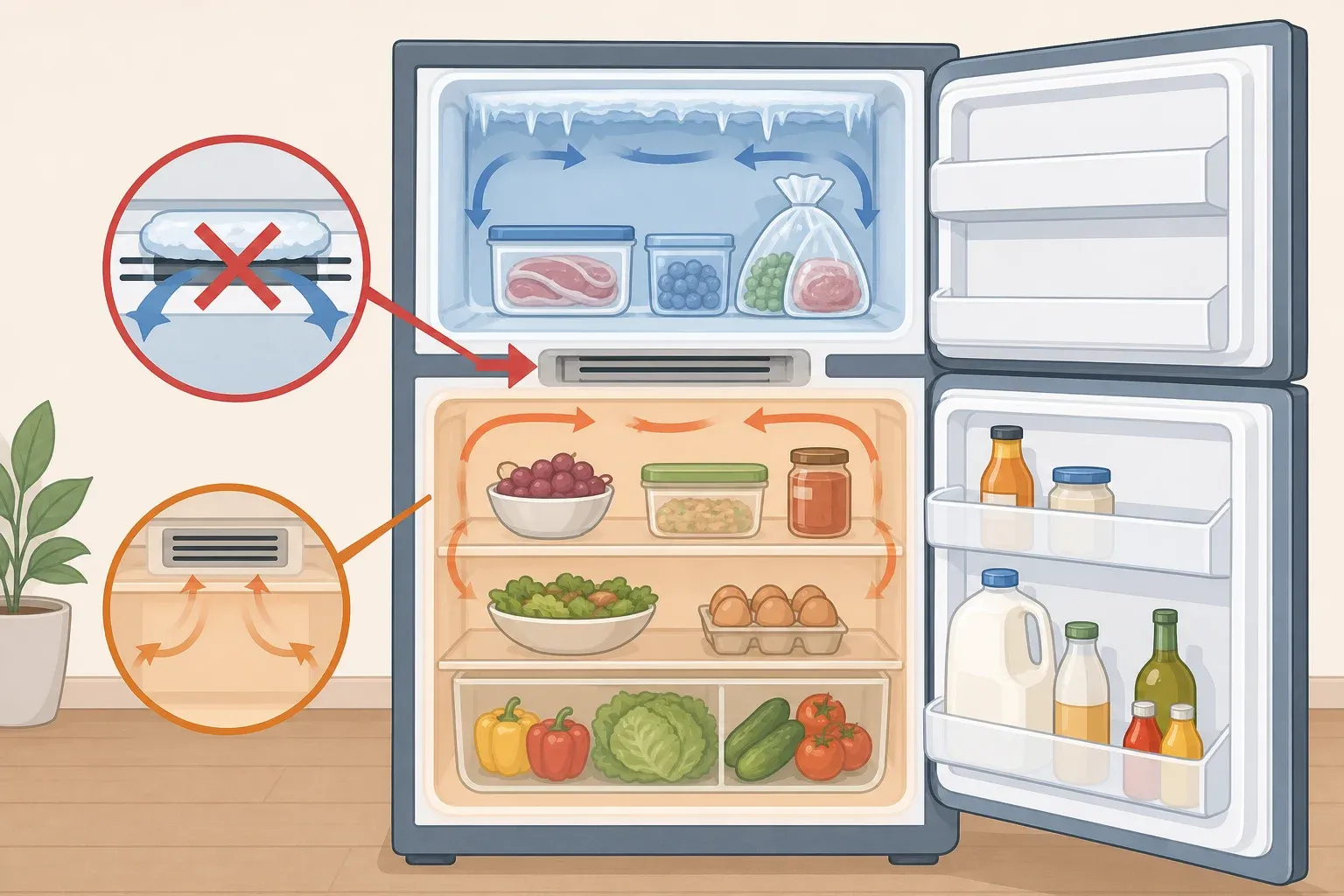
Many modern appliances, though, fail in software as much as hardware. Refrigerators rely on control boards and sensors; washers display fault codes that require manufacturer diagnostic tools to interpret, as Appliance News reported last month. A well-designed screwdriver doesn't help when the repair requires documentation that isn't publicly available.
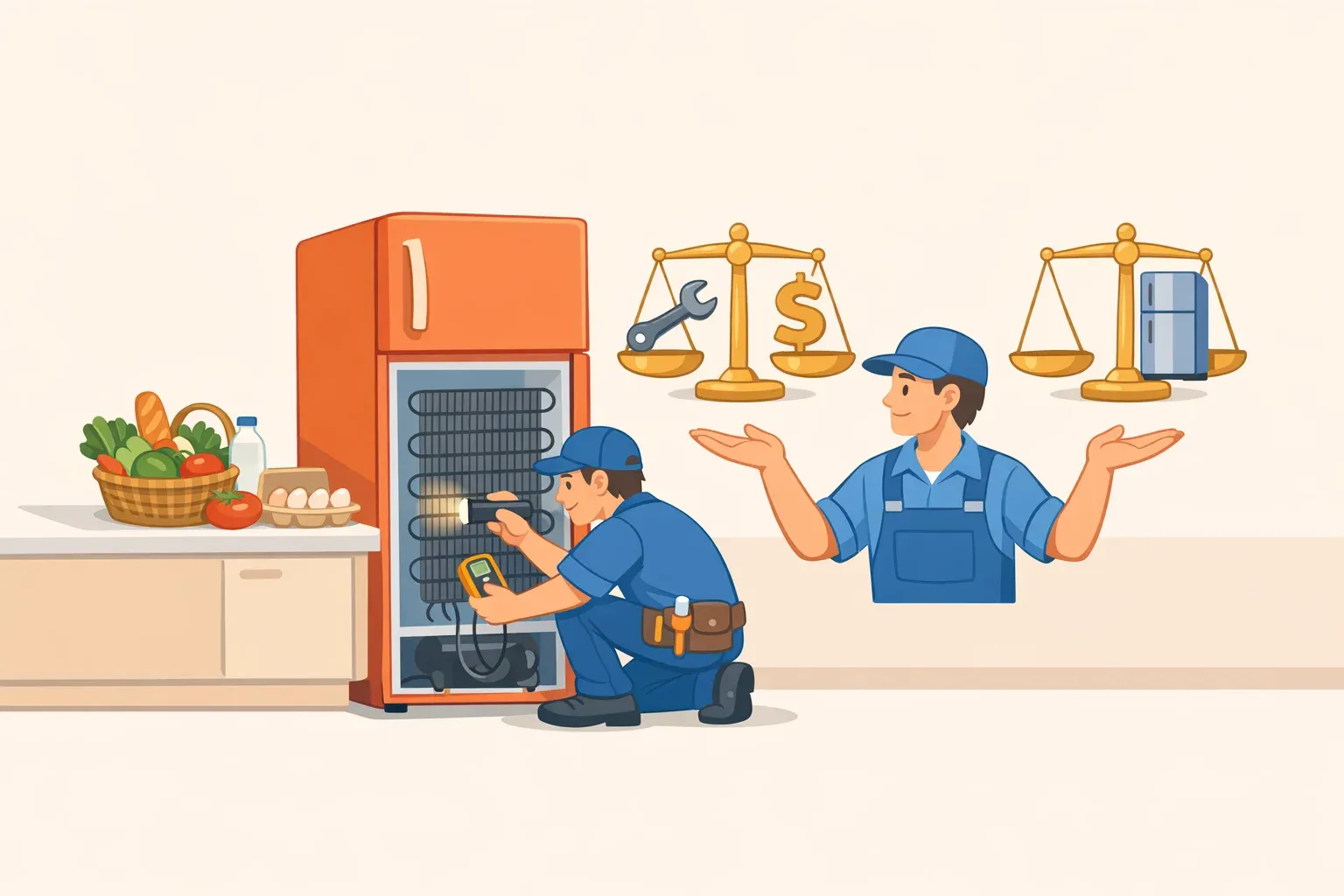
The survey data helps explain why. Among Americans who replaced a broken appliance in the Consumer Reports study, 26% had actually tried to repair it first and couldn't, the data shows. That figure is more instructive than replacement rates alone. For a meaningful share of failed repairs, the obstacle wasn't willingness or tools.
The real barrier: manuals, diagnostics, and parts access
When iFixit and PIRG surveyed 50 appliance manufacturers at the FTC's request, only 7 made service manuals publicly available. Among independent repair technicians, 89.1% reported difficulty obtaining service manuals, and 93.5% had trouble locating the schematics they needed, according to PIRG's investigation.
The diagnostic software problem compounds the manual shortage. Some manufacturers charge independent shops hundreds of dollars annually for the same tools they provide to authorized servicers at no charge. GE charged $919 per year for that access, and 30% of independent shops were paying over $1,000 annually across manufacturer software subscriptions, PIRG found. Those costs don't stay with the shop; consumers ultimately bear the financial burden.
Progress on the legislative front is real, if uneven. Several US states have passed right-to-repair laws covering home appliances, including Minnesota, Oregon, Washington, and Colorado. Colorado's law, which took effect January 1, 2026, also restricts parts-pairing practices that prevent consumers from installing third-party replacement components, Appliance News reported last month. For a practical illustration of what better access could look like, PIRG has recommended linking repair documentation directly to appliance Energy Guide labels via QR codes or URLs, putting information in front of consumers at the moment they need it, the report proposes.
Whether someone can fix their own washing machine, hire an independent technician at a reasonable price, or factor repairability into a purchase decision all depends on how the battles over manuals, software subscriptions, parts pairing, and warranty pressure get resolved. Those aren't abstract policy questions. They're the actual constraints on what a screwdriver can accomplish.
What to watch next
Two-thirds of Americans said repairability would affect which product they buy next, Consumer Reports found. iFixit is positioning itself for that audience, not just teardown enthusiasts, and the Megalodon is a reasonable entry into that market. iFixit has also signaled a follow-on product: a set of fixed-blade drivers in the same form factor with the same Swivel Grip Cap, per the launch post.
The next phase of appliance repair access won't be decided by toolkit design. Service manual availability, diagnostic software pricing, parts-pairing restrictions, and FTC enforcement of warranty practices that discourage independent repair are the four battlegrounds still in play. State laws are on the books; enforcement and manufacturer compliance are the open questions. A $34.95 kit is a useful starting point. How far it can take someone depends on what happens in those fights.









Comments
Be the first, drop a comment!