



Small Hole Drywall Repair: Fix Wall Damage in 45 Minutes
Difficulty: Novice
Time: 45 minutes
Cost: ~$15
Small holes in your walls happen—from hanging pictures, moving furniture, or just everyday living. Recent research confirms that fixing these minor wall damages is a manageable DIY task that doesn't require professional help. Whether you're dealing with nail holes, screw marks, or small dings, this repair will have your walls looking fresh again without breaking the budget.
What You'll Need
Materials
- Lightweight spackle or joint compound (4 oz tube, $4-6)
- Self-adhesive mesh patch for holes larger than a dime ($3-4)
- Fine-grit sandpaper, 150-220 grit ($2-3)
- Primer ($5-8)
- Matching wall paint ($8-12)
Tools
- Putty knife (2-4 inches wide)
- Utility knife
- Sanding block or sanding sponge
- Small paintbrush or roller
- Clean cloth or rag
Safety First
- Wear safety glasses and dust mask when sanding
- Work in well-ventilated area
- Check for electrical wires behind wall before cutting
Tip: Most hardware stores sell convenient patch kits that include everything you need for around $10-12.
Getting your workspace ready
Before jumping into repairs, take time to properly assess and prepare each damaged area. Construction experts recommend trimming away any loose or frayed paper around the hole using a utility knife. Trimming loose paper prevents the spackle from lifting later, which would create visible ridges after painting.
Next, clear out dust and remaining drywall fragments from inside the hole. Professional guidance suggests using a damp rag to wipe off any dust for better adhesion—clean surfaces allow the compound to bond properly with the existing drywall.
Tip: Inspect the area inside each hole and trim any soft spots until you reach solid drywall material.
Steps
-
Clean and prep the hole. Remove any loose debris, then lightly sand around the edges to create a smooth surface. Home improvement specialists note that checking manufacturer instructions for drying times helps ensure proper curing.
-
Choose your repair method. For tiny holes (nail-sized), apply spackle directly. For holes larger than a dime, repair guides suggest creating a beveled edge around the hole's circumference with your utility knife first. Beveled edges give the patch material more surface area to grip, creating a stronger bond.
-
Apply the first coat. Use your putty knife to fill the hole with spackle, pressing firmly and smoothing level with the wall surface. Professional techniques recommend applying compound over mesh patches in a crisscross pattern for better coverage—this technique eliminates air pockets and ensures complete mesh saturation.
- For larger holes: Center a self-adhesive mesh patch over the hole first, ensuring it's at least one inch larger than the hole on all sides.
-
Let it dry completely. Research indicates that spackle typically needs 1-5 hours to dry, depending on temperature and thickness applied. Spackle changes from wet gray to lighter gray when fully dry—test by touching lightly with your finger.
-
Sand the first coat. Once fully dry, lightly sand with fine-grit sandpaper until flush with the wall. Repair specialists emphasize the importance of knocking down high spots and imperfections before the next coat.
-
Apply second coat if needed. Professional guidance shows that a second coat with a wider taping knife helps achieve seamless blending by feathering the edges into the surrounding wall.
-
Final sand and clean. After the second coat dries, sand smooth with fine-grit sandpaper, then wipe away all dust with a clean, damp cloth.
Why it works: Spackle bonds chemically with drywall, creating a permanent repair that's actually stronger than the surrounding material once cured.
Cleanup & Disposal
- Store leftover spackle in a cool, dry place—it keeps for months
- Clean tools immediately with warm water before compound hardens
- Dispose of dried spackle and sandpaper in regular household trash
Priming and painting perfection
The final steps make all the difference in achieving invisible repairs. Industry standards require applying a thin, even coat of primer over the patched area, extending 2 inches beyond the repair edges. Professional painters stress that you should never skip the priming step since joint compound can't be painted directly.
Primer seals the porous compound surface and prevents the topcoat from absorbing unevenly. Paint experts warn that without primer, the topcoat will absorb unevenly into the patch, making the repair visible under certain lighting.
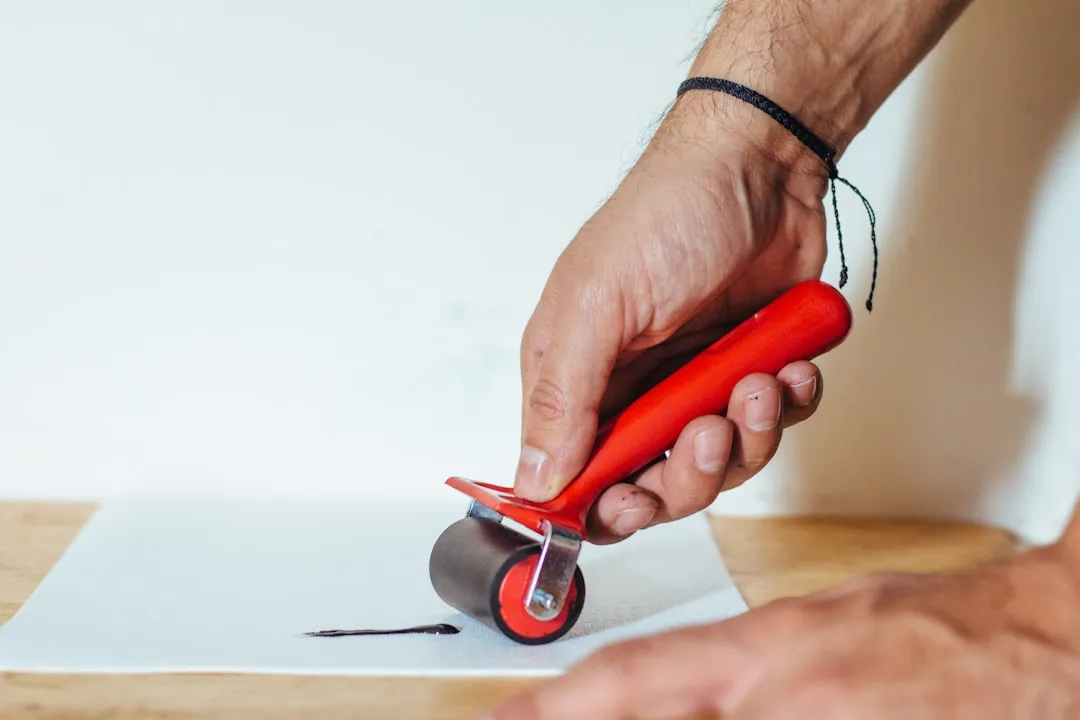
Once your primer is dry, apply your matching paint in thin, even coats. For textured walls, use a roller when applying primer and paint to help match the surrounding surface texture.
Troubleshooting
Problem: Patch is visible after painting → Fix: Sand lightly and apply primer before repainting
Problem: Spackle keeps shrinking → Fix: Apply thinner coats and allow full drying between applications
Problem: Rough texture around repair → Fix: Use a roller when priming to help match surrounding wall texture
Variations & Upgrades
- Quick fix: For nail holes, try paintable caulk applied with your finger
- Textured walls: Use spray texture after priming but before final paint
- Multiple repairs: Consider 20-minute setting compound for faster project completion
FAQ
Can I use toothpaste for small holes? No—it won't bond properly and will eventually crack or fall out.
How long should I wait between coats? Follow manufacturer directions, typically 2-4 hours for complete drying.




Comments
Be the first, drop a comment!